





Trump Reassures American Jews Amid Concerns Following Bondi Beach Attack
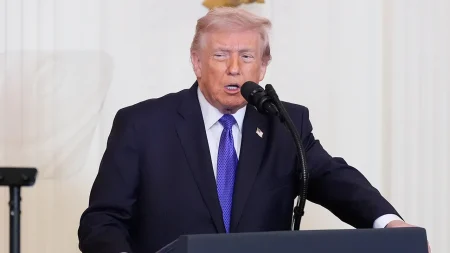
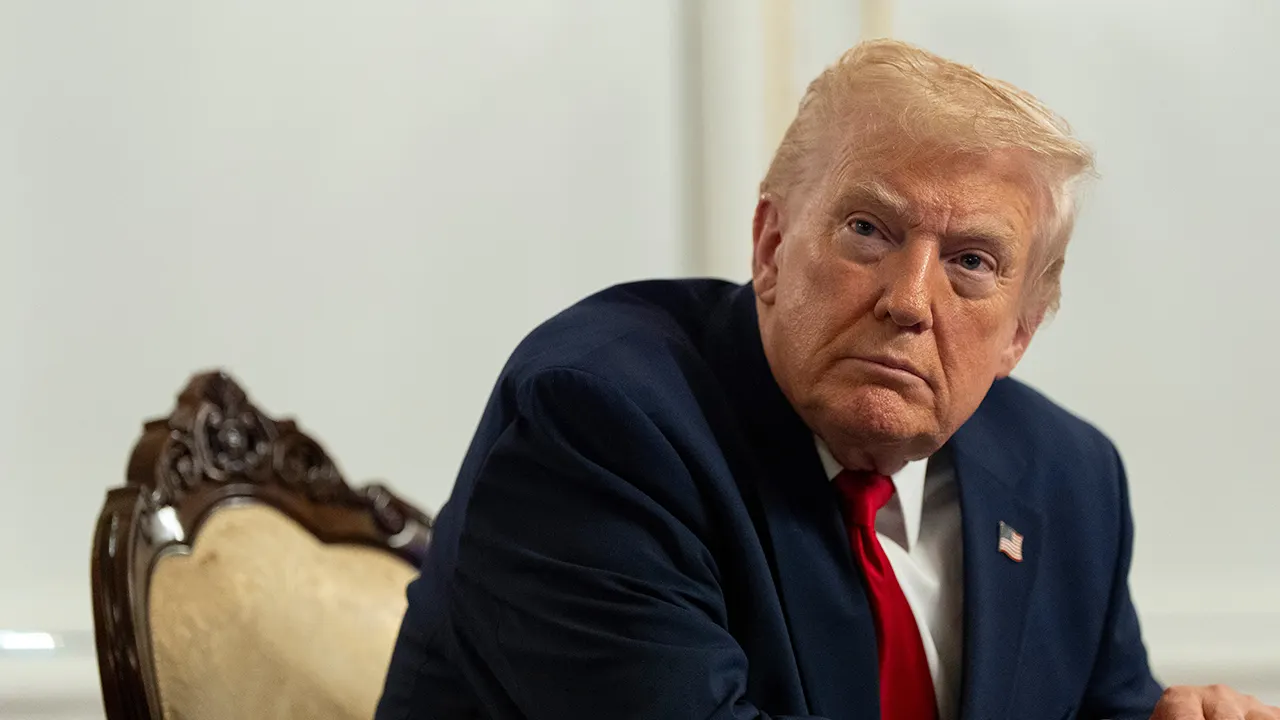
In a time when religious celebrations are overshadowed by security concerns, President Donald Trump offered words of encouragement to American Jews celebrating Hanukkah in the wake of the tragic Bondi Beach attack. Speaking to Fox News on Sunday, Trump urged Jewish Americans to “Celebrate proudly – be proud of who you are.” His reassurance comes at a critical moment when many Jewish communities worldwide are experiencing heightened anxiety about gathering for religious observances, particularly following the horrific mass shooting at a “Hanukkah by the Sea” celebration in Australia that left at least eleven people dead and dozens more injured.
The attack in Australia prompted immediate condemnation from Australian Prime Minister Anthony Albanese, who described it as a “targeted attack on Jewish Australians.” In his emotional press conference, Albanese emphasized national unity, stating, “An attack on Jewish Australians is an attack on every Australian and every Australian tonight will be, like me, devastated on this attack on our way of life.” The Prime Minister’s forceful response included a commitment to action: “There is no place for this hate, violence and terrorism in our nation. Let me be clear. We will eradicate it.” These words reflect the growing recognition among world leaders that antisemitism represents not just a threat to Jewish communities but to the fundamental values of democratic societies.
Israeli Prime Minister Benjamin Netanyahu took a more critical stance, revealing that he had warned Albanese in an August letter that Australian government policies were encouraging antisemitism. During a government meeting in Dimona, Netanyahu accused the Australian leadership of inaction as antisemitism spread, suggesting this had contributed to a climate of rising hostility toward Jews. His comments highlighted the tension between governments regarding the appropriate response to rising antisemitism, noting, “We saw an action of a brave man – turns out a Muslim brave man, and I salute him – that stopped one of these terrorists from killing innocent Jews. But it requires the action of your government, which you are not taking.” Netanyahu’s stark warning that “history will not forgive hesitation and weakness” underscores the Israeli government’s perspective that combating antisemitism requires proactive governmental intervention rather than just condemnation after attacks occur.
The Bondi Beach attack is unfortunately not an isolated incident, but part of a disturbing global pattern. In recent months, there have been violent antisemitic attacks targeting synagogues and Israeli restaurants in Australia, alongside similar incidents in Europe and North America. These attacks have created a climate of fear that threatens the ability of Jewish communities to openly practice their faith and maintain their cultural institutions. The brave intervention of a bystander at Bondi Beach, reportedly a Muslim man who disarmed the shooter, offers a powerful counternarrative to the hatred that motivated the attack, demonstrating how individuals from different faiths can stand together against extremism and violence.
Yael Eckstein, president of the International Fellowship of Christians and Jews, framed the attack as a wake-up call with broader implications. “Terror doesn’t stop in America or in Europe or in Australia. It’s not only targeting the Jews, it’s also targeting the Christians,” Eckstein said on “Fox & Friends Weekend.” Her observation that “The answer to this darkness is light” speaks to the interfaith solidarity that many religious leaders are calling for in response to such attacks. Organizations like Eckstein’s have been working to build bridges between Christian and Jewish communities, recognizing that religious hatred often transcends specific targets and threatens foundational principles of religious freedom that affect multiple faith communities.
As Hanukkah continues, Jewish communities around the world face the challenge of balancing celebration with security concerns. The festival of lights, which commemorates the rededication of the Second Temple in Jerusalem following the Maccabean Revolt, carries powerful symbolism about resilience in the face of oppression—symbolism that resonates deeply in the current climate. Parallel to these celebrations, a mission of 1,000 Christian pastors and influencers has joined efforts supporting the Jewish state and fighting antisemitism, demonstrating that the response to hatred includes not just governmental security measures but also grassroots solidarity across faith traditions. As communities light their menorahs this Hanukkah season, they do so with a heightened awareness of both vulnerability and strength, illuminating not just their homes but their determination to continue practicing their faith openly and proudly despite threats.