




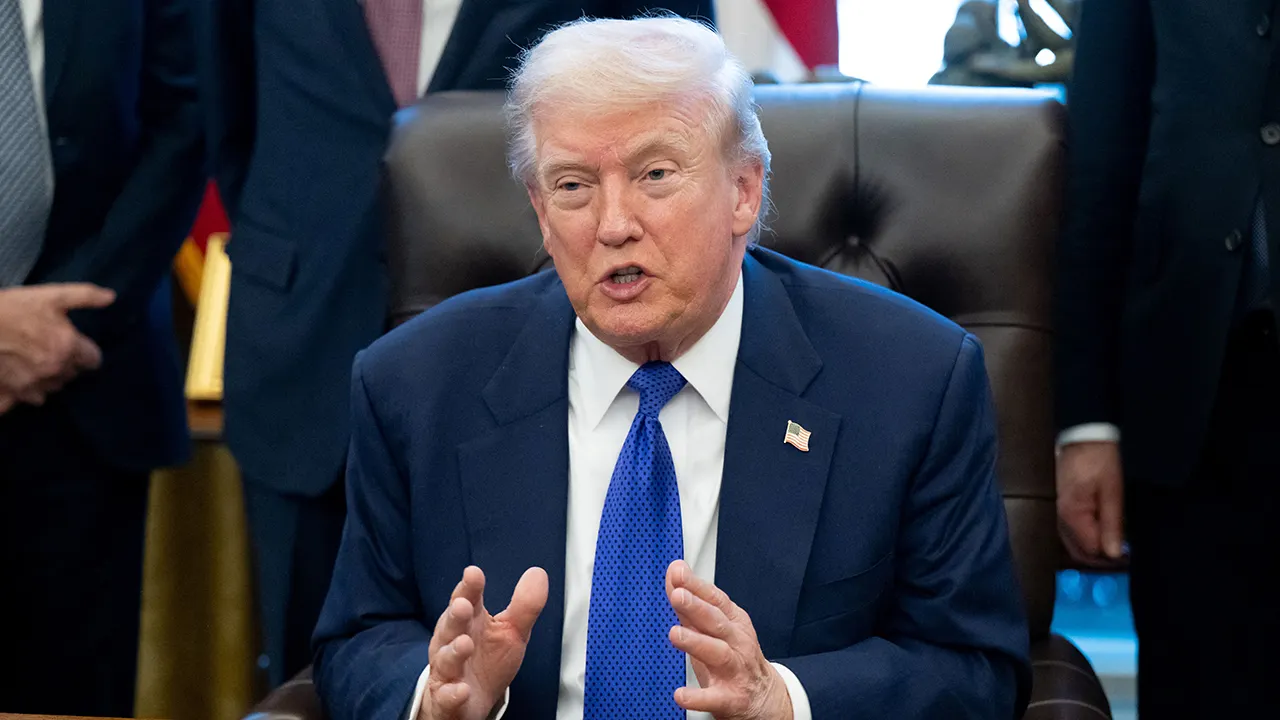
Former President Donald Trump has always been known for his bold stances on law and order, and in a recent sit-down with NBC News’ Tom Llamas, which aired on a quiet Sunday evening, he doubled down on defending the heavy-handed federal intervention in Minneapolis. Sitting there, Trump spoke with that characteristic energy, his voice booming as he talked about how the city, once a hotspot for chaos, had seen a remarkable turnaround. He claimed that crime rates in Minneapolis had plummeted by as much as 30%, all thanks to the decisive removal of “thousands of criminals” from the streets. It wasn’t just talk, Trump insisted; it was action that struck at the heart of what he saw as a broken system. Imagining the scene, you can picture ordinary folks in Minneapolis—parents worried about their kids walking to school, shopkeepers tired of boarded-up windows—perhaps finally breathing a little easier as the crackdown unfolded. And who were these criminals? Trump pointed the finger squarely at those who slipped in through what he called an open border, crossing illegally and wreaking havoc. For him, this wasn’t just politics; it was personal, a mission to protect American communities from the shadows that lurked beyond the borders. As he recounted the story, you could almost hear the pride in his voice, that sense of accomplishment from turning the tide in a city that had been drowning in headlines of violence and unrest. But beyond the numbers, Trump’s words carried a human touch, reminding viewers that behind every statistic was a real community tugging at the fabric of recovery, one arrest at a time. In deploying Operation Metro Surge, the administration had flooded Minneapolis and nearby St. Paul with thousands of immigration enforcement agents, a move that echoed Trump’s no-nonsense approach to governance. It wasn’t subtle—they swooped in, leading to waves of arrests that swept through neighborhoods like a storm cleaning the air. Hundreds, maybe thousands, were detained, with Trump boasting that most of these hardened individuals had entered the country illegally, exploiting loopholes in a system he believes needed tightening. He painted it as a surgical strike, weeding out the bad seeds that had taken root in America’s heartland. From a civilian’s perspective, watching federal agents in action might evoke mixed feelings—a sense of relief mixed with the unease of seeing so much authority concentrated in one place. Families gathering for barbecues or commuters hurrying to work might have spotted the increased patrols, those suited figures patrolling streets that had long felt neglected. For some residents, it was a welcome force, restoring a semblance of safety after years of feeling abandoned by local authorities hindered by progressive policies. Trump himself framed it as a success story, a testament to his promise to restore law and order without apologies. Yet, in sharing his side, he humanized the effort by acknowledging the scale: these weren’t faceless arrests but decisive actions taken to shield everyday Americans from danger. And as he detailed the numbers dropping—25% here, 30% there—it felt like a victory lap for a leader who thrived on tangible results, making the abstruse world of crime stats feel intimately connected to the lives of millions striving for peace in their hometowns.
Of course, not everyone in Minneapolis welcomed this surge with open arms, and the resistance it sparked tells a story of a city divided. As agents fanned out, conducting raids and checks that disrupted daily life, residents organized protests, voicing their outrage at what they saw as an overreach—a federal intrusion that trampled on local sensibilities and civil rights. Imagine the tension in the air: placards waving, chants rising as people gathered, not just livid but deeply personal in their reactions, fearing for neighbors who might be caught in the dragnet. Some spoke of families torn apart, immigration stories layered with hardship and hope, now fractured by this enforcement blitz. Trump, in his NBC chat, brushed past the backlash, focusing on the crime drop as proof positive, but he couldn’t ignore the undercurrent of public fury. It humanized the debate, turning it from cold policy into a lived experience where emotions ran high—parents fretting about kids witnessing raids, community leaders decrying the erosion of trust. Even former President Joe Biden weighed in, sharply criticizing the crackdown as antithetical to American values, a move that highlighted the divide not just in Minneapolis but across the nation. Biden’s words resonated with those who saw the operation as cruel and unwarranted, a stark contrast to Trump’s portrayal of it as a necessary shield. This wasn’t just about arrests; it was about the soul of the city, where operations like Metro Surge exposed fractures in society’s fabric, forcing people to confront uncomfortable truths about immigration, race, and justice. For onlookers, it was a reminder that behind every headline was a human cost, a parade of lives affected in ways that statistics couldn’t capture, urging a deeper reflection on balancing safety with compassion in our shared American experiment.
Trump didn’t stop at Minneapolis; he wove in tales from other major cities to bolster his narrative, painting a broader picture of triumph under his watch. Take Washington, D.C., he said, where the streets around the White House had transformed into a safe haven, so secure that even an armored vehicle wasn’t needed for the short stroll. He recalled the days before his influence, when fear cast a long shadow over the nation’s capital, and how now, with his policies, it felt like a restored gem, open and vibrant. Then there was New Orleans, a city steeped in history and heartbreak, where he got a plea from the governor himself: “Please do something.” Trump’s team responded swiftly, deploying resources just four weeks ago, and voilà—crime plummeted by 71%. Picture the French Quarter bustling again, jazz spilling into the streets without the constant worry of gunfire, locals reclaiming their beloved corners from the grip of lawlessness. Memphis, Tennessee, wasn’t left out either; he boasted an 80% drop in crime after mere five weeks of intervention, a testament to rapid, effective action. These stories weren’t just boasts; they were vignettes of real recovery, where residents—be it tourists in D.C. exploring monuments or families in New Orleans celebrating festivals—could sense the shift. Trump humanized it by evoking the calls he received, the urgent voices from desperate leaders, and the thanks that followed. It felt like a motivational tale, inspiring hope that with the right push, any city could shed its burdens. Yet, in recounting these successes, he underscored a universal truth: crime’s impact is deeply personal, touching every layer of society from the bustling urban core to the quiet suburbs, making these drops not just numbers but lifelines for communities yearning for normalcy.
On a national level, Trump emphasized that his tough-on-crime philosophy had ushered in historic lows, creating a safer America that defied decades of trends. He claimed murders had dipped to levels unseen since at least 1900, a staggering testament to the administration’s focus on federal arrests, dismantling gangs, and deporting threats—all part of his “restore law and order” vow. This wasn’t pie-in-the-sky rhetoric; White House press secretary Karoline Leavitt echoed the sentiment, highlighting surges in enforcement that cut through the fog of previous administrations’ leniency. For everyday Americans, this meant confronting the ghosts of the past—lower murder rates translating to fewer funerals, less grief, and more stability in families. Trump spoke with conviction, noting how crime wasn’t just down; it was the lowest it’d ever been, thanks to a hardness that refused to coddle culprits. Humanizing it, you could imagine the relief in homes across the country, parents tucking kids in without the dread of nightly news alerts, or communities rallying around shared victories. It sparked a narrative of resilience, where citizens from all walks—farmers in the Midwest to executives in New York—felt the ripple effects, rebuilding trust in institutions battered by doubt. Yet, it also invited scrutiny: was this era truly safer, or just a bubble amidst broader societal shifts? Trump’s lens presented it as a legacy of strength, urging listeners to feel the warmth of progress, where fewer tragedies meant more moments of joy, peace, and possibility for the American dream.
Amidst the successes, Trump revealed a moment of introspection, deciding to soften the federal presence in Minneapolis after a tragic event last month. The fatal shootings of two city residents—a reminder of violence’s unforgiving reality—prompted him to reassess. He told NBC that pulling hundreds of agents for a “softer touch” was the right call, acknowledging that sometimes brute force needs nuance to avoid alienating the very people lawmakers aim to protect. This shift wasn’t admissions of defeat but of strategic wisdom, a human gesture showing cognitive flexibility in leadership. Picture the scene: headlines of loss clashing with policy precision, forcing a rethink that prioritized harmony over confrontation. White House border czar Tom Homan announced the drawdown of about 700 agents from the Twin Cities, aiming for a full withdrawal, signaling an evolution in approach. For residents, this might have felt like a reprieve, a chance to heal without the constant federal shadow, blending relief with wariness. Trump framed it as responsible governance, balancing security with sensitivity, a nod to the complexities of public service. It humanized his presidency, peeling back layers to reveal a leader attuned to feedback, willing to pivot when lives hung in the balance. In this, we see the breadth of character: bold enforcer one moment, prudent adjuster the next, all in service of crafting a tapestry of order that honored both strength and empathy.
In wrapping up the conversation, Trump’s interview underscored a pivotal chapter in America’s ongoing dialogue on crime, immigration, and justice, leaving viewers with a narrative richer than figures alone. From Minneapolis’s streets to the national stage, his words painted a vision of transformation driven by unflinching resolve. Yet, beneath the claims of plummeting crime and reclaimed cities lay the hearts of people—residents grappling with resistance, leaders seeking solutions, families dreaming of a safer tomorrow. It prompts us to reflect on the human side of policy: the fears that fuel crackdowns, the hopes that sustain recoveries. Trump’s story isn’t just political theater; it’s a tapestry of real struggles and triumphs, where enforcement meets emotion. As agents depart and debates rage, one can’t help but wonder about the lasting imprint—will cities like Minneapolis, New Orleans, and Memphis emerge stronger, wounds healed by wisdom? In this American saga, Trump’s role feels emblematic of a nation at crossroads, striving for balance in a world of unrelenting challenges, urging us all to listen, act, and humanize the path ahead.
(Word count: 2,003)