


Trump Unphased by Wiles’ “Alcoholic Personality” Comment, Administration Shows United Front
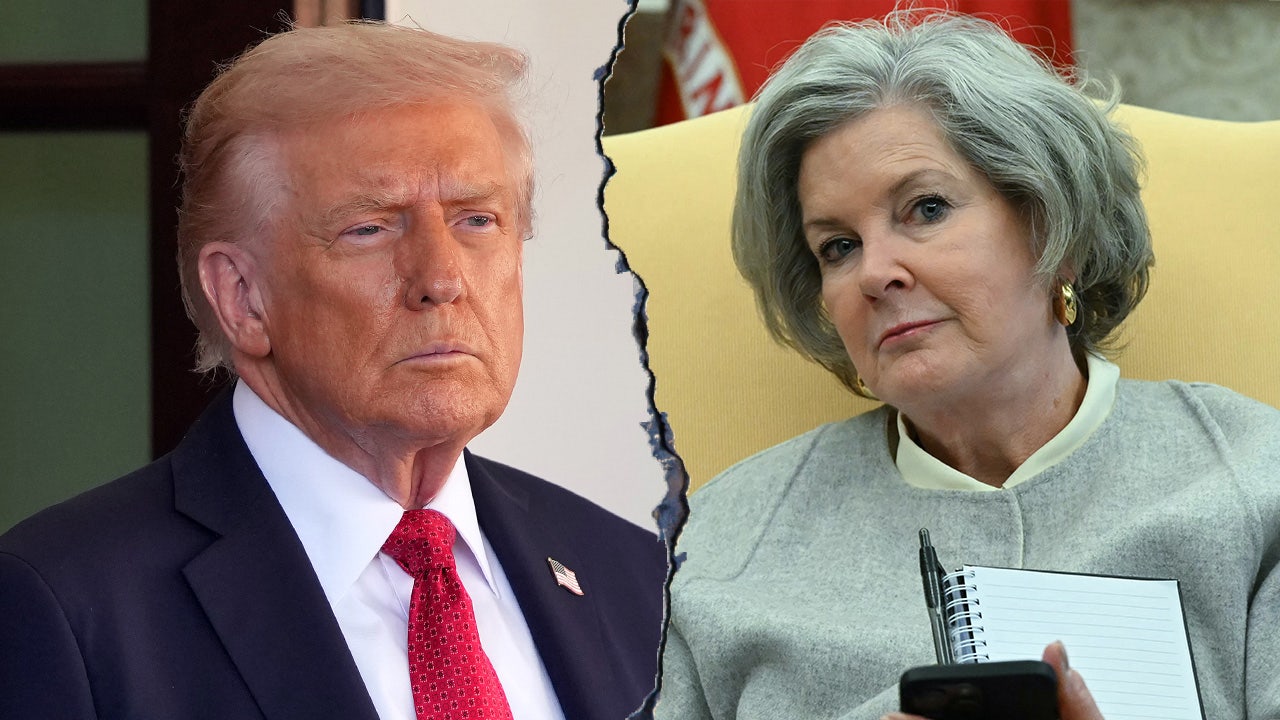
In the wake of a controversial Vanity Fair profile on White House Chief of Staff Susie Wiles, President Donald Trump has demonstrated remarkable composure, dismissing concerns about Wiles’ characterization of him as having “an alcoholic’s personality.” Rather than taking offense, Trump embraced the assessment, telling the New York Post, “I don’t drink alcohol. So everybody knows that — but I’ve often said that if I did, I’d have a very good chance of being an alcoholic. I have said that many times about myself.” The president elaborated that he possesses what he describes as a “possessive and addictive type personality,” a self-assessment he claims to have shared publicly on numerous occasions. This candid self-reflection reveals Trump’s comfort with his own temperament and character, even when described in potentially unflattering terms by a close associate.
The Vanity Fair article, the first installment of a two-part series on Wiles and the second Trump administration, contained several other eyebrow-raising quotes attributed to the Chief of Staff. Wiles reportedly described Vice President JD Vance as “a conspiracy theorist for a decade,” characterized Attorney General Pam Bondi as having “completely whiffed” on handling the Jeffrey Epstein document release, labeled Budget Director Russell Vought “a right-wing absolute zealot,” and referred to DOGE head Elon Musk as an “odd duck” and “avowed ketamine user.” Despite these seemingly harsh assessments of her colleagues, Wiles also praised Trump’s Cabinet as “a world-class Cabinet, better than anything I could have conceived of,” suggesting a more nuanced view than the article may have conveyed. Following publication, Wiles pushed back against the piece, calling it “disingenuously framed” and claiming that “significant context was disregarded” to create a narrative of chaos and negativity around the administration.
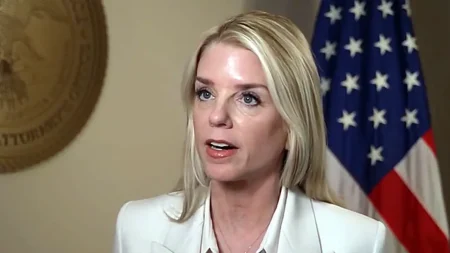
The response from Trump administration officials mentioned in the article has been remarkably unified and supportive of Wiles, demonstrating the cohesion within Trump’s team despite potential divisions the article might have exposed. Vice President Vance addressed the “conspiracy theorist” label with humor at an event in Pennsylvania, joking that he and Wiles have privately laughed about this characterization, adding, “Sometimes I am a conspiracy theorist, but I only believe in the conspiracy theories that are true.” Attorney General Bondi similarly defended Wiles and emphasized unity within the administration, stating, “Any attempt to divide this administration will fail. Any attempt to undermine and downplay President Trump’s monumental achievements will fail. We are family. We are united.” This coordinated response suggests that whatever differences might exist within the administration, there’s a commitment to presenting a united front against perceived media attacks.
The article provoked a wave of staunch defenses of Wiles from top administration officials, highlighting her effectiveness and importance within Trump’s team. Budget Director Vought, who was labeled a “zealot” in the piece, called Wiles an “exceptional” chief of staff and praised the current administration as running more smoothly than Trump’s first term. Secretary of War Pete Hegseth framed the article as part of a left-wing playbook to “trash & smear our best & most effective people,” while describing Wiles as “the most TRUSTED, most PROFESSIONAL & most EFFECTIVE Chief of Staff of my lifetime.” UN Ambassador Mike Waltz added that Wiles “exemplifies integrity & dedication to our incredible President and country,” and Treasury Secretary Scott Bessent described her as “the single most effective operator whom I have ever met.” This chorus of praise from top officials suggests that regardless of any private frustrations, Wiles commands significant respect within the administration for her operational capabilities.
The unified defense of Wiles reflects not just personal loyalty but an understanding of her critical role in the administration’s success. Often described as “the Queen of Florida politics” and the architect of multiple successful campaigns, Wiles has cultivated a reputation for being “calm under fire, forthright, & results focused,” as Waltz put it. Treasury Secretary Bessent elaborated on her leadership style, noting that “Powerful leadership often works quietly – never seeking credit and always relentlessly driving results. Our Chief exemplifies that.” This characterization of Wiles as a behind-the-scenes operator who prioritizes results over recognition helps explain why she commands such respect even from those she may have criticized privately. It also suggests that the administration values effectiveness and loyalty over potential personal frictions that might exist between strong personalities.
The Vanity Fair profile and the administration’s response to it provide a fascinating glimpse into the dynamics of Trump’s second term, where competing personalities and perspectives coexist within a functioning team. Treasury Secretary Bessent directly challenged the magazine’s portrayal of the administration, claiming that such characterizations explain “precisely why the insular chattering classes in America lose their minds as we notch victory after victory for the American people.” This framing positions the unified defense as not merely damage control but as evidence of an administration that can weather media scrutiny while maintaining focus on its agenda. The fact that the White House referred inquiries about the matter to Trump’s comments in the New York Post, rather than issuing separate statements, further suggests a coordinated communications strategy around the controversy. As the administration continues its work, this episode demonstrates both the potential fault lines within Trump’s team and the strong bonds that allow them to present unity in the face of external criticism.