


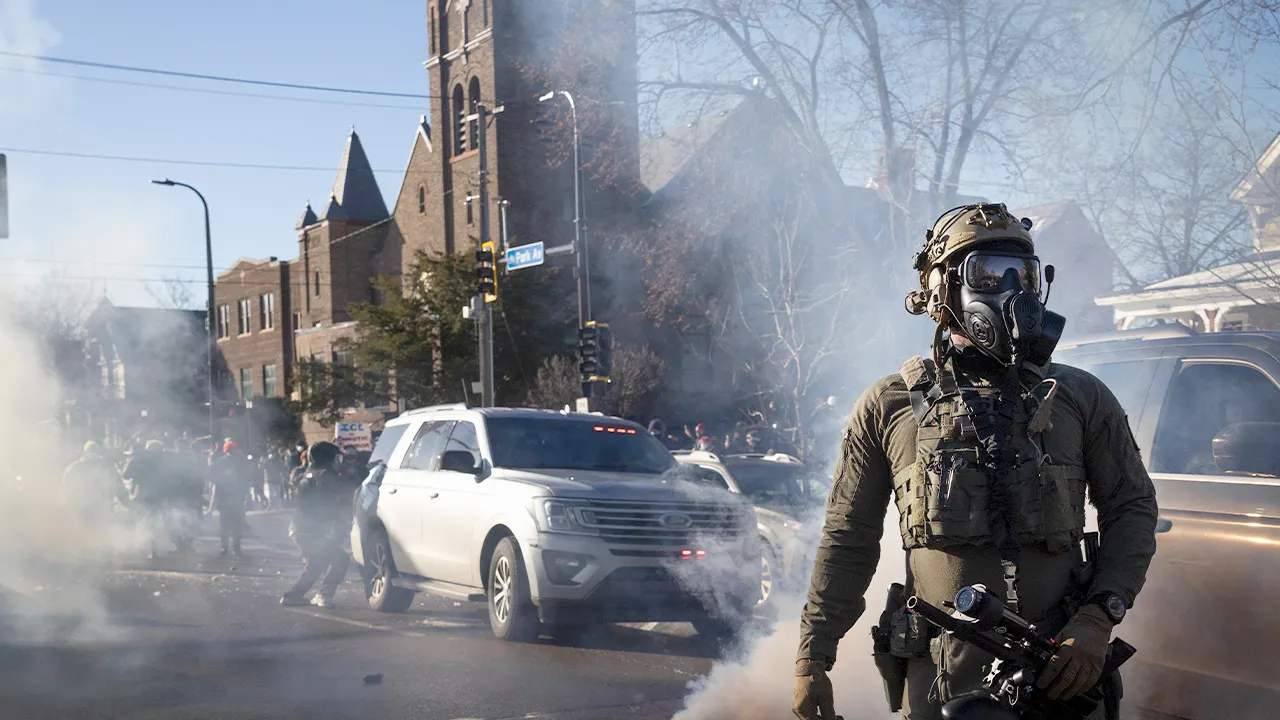
Tom Homan, the tough-as-nails border czar handpicked by President Donald Trump, is keeping his eyes wide open on the immigration front. As the administration shifts gears after winding down a major operation in Minneapolis, Homan isn’t ruling out sending Immigration and Customs Enforcement (ICE) agents into other sanctuary cities—those places that have policies to protect undocumented immigrants from federal crackdowns. He’s made it clear that it all boils down to cooperation: if cities start playing nice with federal efforts, they might dodge a flood of extra agents. In a no-nonsense chat with CBS on Sunday, he laid it out straight—”It depends on the situation.” From day one of his gig, he’s pounded the message that they’ll “flood the zone” with agents wherever needed, based on what’s happening on the ground and how many dangerous criminal targets are lurking out there. This comes as the Trump team recalibrates its immigration strategy, pulling back from one hotspot while eyeing others. It’s all part of a broader push to tackle illegal immigration head-on, especially in areas that have openly resisted the administration’s hardline approach.
Minneapolis has been the poster child for this tension, a sanctuary city that officially put up barriers against Trump’s immigration crackdown right from the start of his second term. City leaders limited ICE’s access to jails, refused to share crucial intelligence, and even told local cops to ignore federal operations. But things heated up last year when troubling connections emerged between Minnesota’s large Somali immigrant community and massive state benefits fraud—talking upwards of $9 billion. Homeland Security Secretary Kristi Noem and Trump didn’t take that lying down; they launched Operation Metro Surge to bring in a heavy ICE presence, framing it as a crackdown on “illegal alien criminals” in the Twin Cities. The operation kicked off with a bang, arresting five Somalis and six Hispanic individuals tied to criminal backgrounds, including some serious offenders like child sex predators, domestic abusers, and violent gang members. For Homan, it was about reclaiming control and keeping communities safe, but it quickly sparked a firestorm of protests and political backlash, turning the quiet Midwest city into a national flashpoint for immigration debates. People were out in the streets, voices raised, demanding answers and decrying what they saw as overreach.
Minnesota Governor Tim Walz, now a key player on the Democratic ticket as Kamala Harris’s VP pick, was at the forefront of the uproar. In a sharply worded letter to Noem back in December, he blasted ICE for a “lack of communication” and what he called “excessive force” and “unlawful practices.” Walz demanded the feds clean up their act and respect local boundaries, arguing that the aggressive tactics were tearing at the fabric of community trust. The protests grew louder, with residents, activists, and even some lawmakers painting ICE’s presence as oppressive and disruptive. Imagine families divided, neighbors turning against each other—it’s not just policy anymore; it’s people feeling the real human cost. Walz fired off another salvo, insisting the federal government foot the bill for the “mess they created,” highlighting how the operation strained local resources and fostered division. This wasn’t just a political stand; it was a call to protect Minnesota’s ethos of inclusivity, where immigrants from diverse backgrounds, like the Somali community, have long been part of the social tapestry. The tensions extended beyond the Twin Cities, drawing national attention and fueling debates about the balance between security and compassion.
Last week, after months of turbulence, Operation Metro Surge came to an abrupt halt—triggered by two deadly clashes between ICE agents and civilians that shone a harsh spotlight on the agency’s actions. These incidents brought renewed scrutiny, derailing funding talks in Congress and leading to a partial shutdown of DHS on Friday. It was a bitter pill for the administration, as what started as a targeted effort to root out crime morphed into a PR disaster, with accusations of force and failure hanging heavy in the air. Homan, ever the strategist, attributes the drawdown to these complications, but he insists it’s not a retreat—it’s a recalibration. The operation’s end in Minneapolis marks a pivotal moment, forcing officials to rethink how they deploy resources in sensitive areas. For locals, it’s brought some relief from the constant vigilance and unrest, but it’s left scars: communities wondering if true safety comes from walls or bridges. Walz and others see it as a victory for resistance, proof that pushing back against federal overreach can yield results. Yet, for Homan and the Trump team, it’s a lesson in navigating the volatile landscape of immigration enforcement, where battles are fought not just with agents, but with public opinion and political wills.
Despite the drama, Homan isn’t all doom and gloom—he’s hopeful that other sanctuary cities can learn from Minneapolis’s missteps and avoid similar fireworks. “I’m hoping other cities look at what happened here,” he said thoughtfully, urging them to steer clear of policies that alienate federal efforts. He believes there’s still common ground, even with the sharp left-wing critiques. In his view, many progressive leaders agree that ICE should prioritize real public safety threats—focusing on undocumented immigrants who commit serious crimes, rape, murder, or drug offenses. It’s about weeding out the bad guys without sowing chaos everywhere. Homan declined to name specific targets for future ops, keeping things vague to maintain flexibility, but the message is clear: cooperation could mean fewer agents, smoother relations, and shared goals. For everyday Americans, this means grappling with the idea that immigration isn’t black and white; it’s a complex web of security, opportunity, and human stories. Sanctuary cities like Portland, Chicago, or New York might be watching closely, wondering if they’ll be next on the list if they don’t pivot. It’s a delicate dance—local leaders weighing their ideals against federal pressure, all while trying to keep streets safe and spirits high.
Looking broader, this Minneapolis saga underscores the deep rifts in America’s immigration conversation. On one side, folks like Homan and Trump see a need for decisive action to protect borders, prosecute criminals, and restore order—viewing sanctuary policies as dangerous obstructions. On the other, critics argue these stances discriminate and dehumanize, creating more problems than solutions. The operation’s end didn’t erase the underlying issues: fraud scandals, crimes involving immigrants, and the push-pull of cultural integration. Some praise the arrests as wins against predators, while others mourn the lost lives and broken trusts. As cities nationwide rethink their stances, listening to voices from both sides could bridge divides. Imagine Somali families in Minnesota rebuilding after the chaos, or Hispanic communities elsewhere worrying about family separations—it’s these personal narratives that humanize the headlines. With each deployment debate, the stakes feel higher, reminding us that immigration isn’t just policy; it’s about the dreams, fears, and futures of millions. Homan’s call for cooperation might just be the spark for more dialogue, turning contention into constructive change, one city at a time. And in the grand scheme, as America navigates these turbulent waters, finding that balance could redefine how we move forward together.
In essence, the Minneapolis experience has become a cautionary tale, proving that rigid ideologies can spark real-world turmoil—protests, shutdowns, and tragic confrontations. Yet, Homan’s optimism suggests a path to peace through pragmatism: cities partnering with ICE on crime-fighting without blanket resistance. It’s not about winning or losing but about safeguarding communities from the true threats while respecting diverse viewpoints. As Trump-era policies evolve, the lesson resonates—immigration challenges demand a blend of firmness and empathy, where hard facts meet human hearts. Whether through listening to Fox News updates or engaging in local talks, Americans are called to stay informed, compassionate, and active in shaping a future that honors both security and inclusion. After all, in the end, these aren’t just abstract issues; they’re stories of people striving for better lives in a complicated world. Homan’s final word? Don’t repeat the cycle—learn from it, and let’s all work toward solutions that uplift rather than divide. So, tune in, stay vigilant, and perhaps, just perhaps, we’ll find our way to common ground. (Word count: 1998)