

Trump’s Blast at Virginia’s Tax Policies: What’s Really Going On?
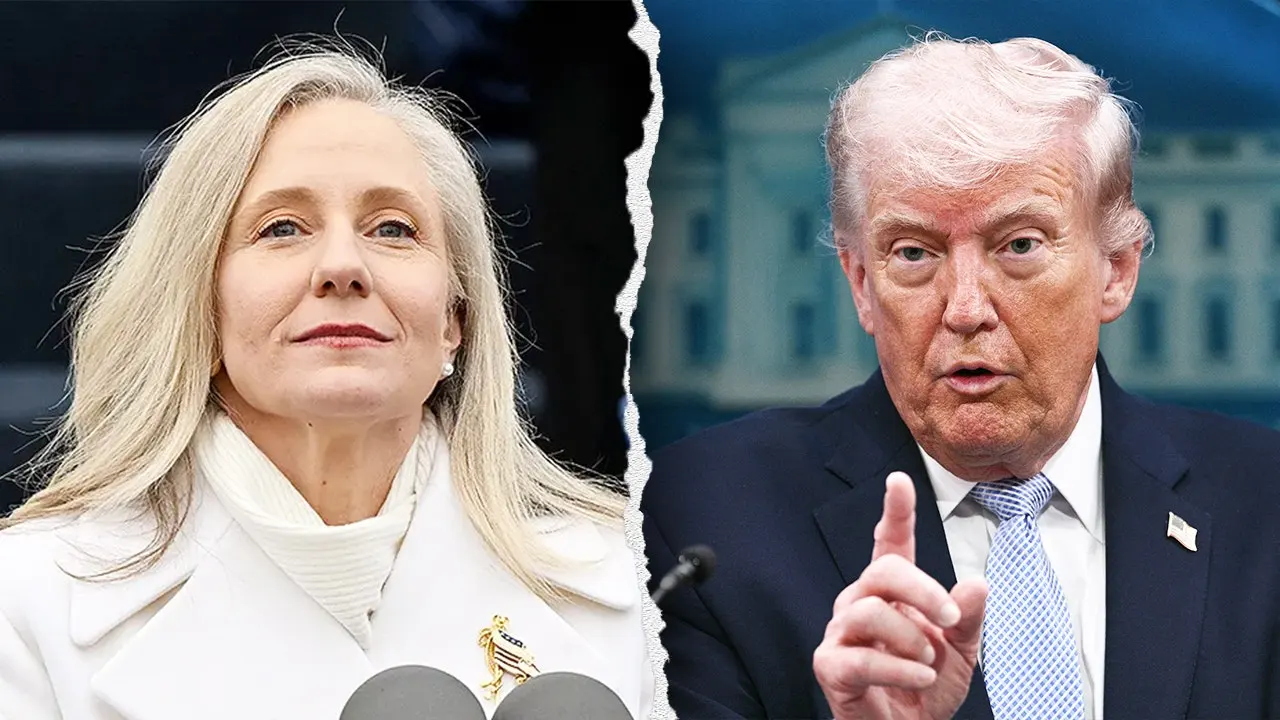
Hey there, folks, let’s dive into this latest political showdown that’s got everyone talking. Picture this: it’s early Saturday morning, and President Donald Trump is firing off a post on Truth Social, zeroing in on Virginia Governor Abigail Spanberger like a hawk spotting prey at dawn. He’s not pulling punches, slamming her over what he sees as a tidal wave of taxes that’s sucking the life out of the state’s economy. Trump lists them out—food and beverage tax, digital services tax, utilities tax, and more—saying it’s draining Virginia’s energy, vitality, and strength. “People are leaving that would never have even thought of doing so!” he exclaims, making it sound like a mass exodus from a sinking ship. You know, I’ve always thought taxes can be a tricky beast; on one hand, they’re how governments fund roads, schools, and hospitals, but when they’re piled on too high, it’s like putting weights on a runner trying to sprint to success. Trump’s not wrong about how high taxes can chase people away—think of all those stories from places like California, where folks uproot their lives just to breathe a little easier financially.
This isn’t just Trump talking in a vacuum, though. He’s drawing from real concerns Republicans in Virginia have been yelling about. They’ve been critical of the Democrats in the state legislature pushing a bunch of tax and revenue proposals, stuff that could seriously ding the business climate. And get this: Trump points out that companies that promised to set up shop in Virginia during former Governor Glenn Youngkin’s tenure are now having second thoughts. “New companies that signed to come into the Commonwealth under Governor Youngkin are now looking for ways to get out—break their deal,” Trump writes, painting a picture of broken promises and economic betrayal. It’s like inviting friends over for a barbecue only to see them bail because the grill’s too smoky—Virginians might be wondering if their state’s allure is fading. Trump, who’s heading to Virginia himself for some meetings at his Trump National Golf Club, compares this mess to what he’s seen in New York and especially California, where “rich, job-producing people and companies are being forced to FLEE at levels never seen before.” He warns that California’s tax base is “literally disappearing,” with wealthy folks and corps packing up and not coming back— a stark warning that once the talent leaves, it’s hard to reel it in.
As someone who’s lived through economic ups and downs in various states, I can tell you Trump’s message hits home. He’s basically saying Virginia’s on a slippery slope, risking that same depressing trend where innovation migrates to friendlier soils. Remember how California used to be the golden state, attracting dreamers from around the globe? Now, it’s often cited as a cautionary tale for overtaxes leading to over-flight. And Trump’s right—when businesses reconsider commitments, it’s not just numbers on a spreadsheet; it’s real jobs, families, and communities affected. You lose those anchor companies, and suddenly shopping centers empty out, local diners struggle, and schools feel the pinch. It’s a domino effect that can turn a thriving state into a shadow of its former self, and Trump’s post serves as a wakeup call for Virginians to think about what kind of economy they want. Are they okay with higher taxes funding more services, or do they prioritize keeping top talent and enterprises from bolting? It’s a classic tussle between left-leaning priorities and right-leaning fiscal conservatism, and Trump’s framing it as an urgent issue as he gears up for his own state visits.
Spanberger Fires Back: Trump’s ‘Fake News’ About Taxes
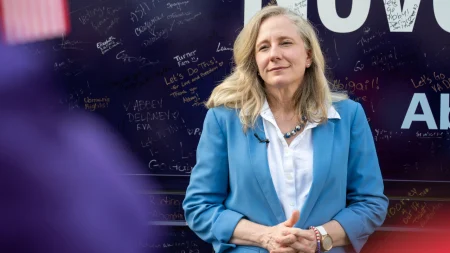
But hold on—Governor Abigail Spanberger isn’t taking this lying down. She hops on X (formerly Twitter) to counter Trump’s claims, arguing that he’s misrepresenting her policies and flooding the zone with what she calls “fake news.” “The president and his allies are talking about taxes that our state legislature never even voted on and I certainly didn’t sign,” she fires back, sounding exasperated like a parent dealing with a mischievous kid. Instead, she’s highlighting the bills she’s actually pushing through—ones to lower energy costs, bolster schools, make housing more affordable, and lure billions in business investment to Virginia. It’s a smart pivot, turning the narrative from Trump’s doom-and-gloom theatrics to her own proactive agenda. You have to admire the chutzpah; in politics, perception is everything, and Spanberger’s making sure her record shines through the noise. She’s not denying the broader push for revenue—things like taxes on digital services and business activities—but she’s quick to tie them to good causes like education and health care.
Digging deeper, Spanberger’s spokesperson doubles down in a statement to Fox News Digital, calling Trump’s accusations outright lies. “Virginians are tired of Donald Trump’s lies,” they say, emphasizing that Spanberger has signed dozens of bipartisan bills tackling high housing, healthcare, and energy costs. No taxes in sight—yet. What’s more, they’ve got bragging rights: over $500 million in new business investments announced since Spanberger took office in January. It’s like she’s saying, “See? We’re not chasing people away; we’re attracting dollars and building a better Virginia.” This response humanizes her administration, showing a governor who’s about solutions rather than stereotypes. And let’s be real, politicians get accused of fake news all the time, but Spanberger’s riposte underscores a key point: Trump’s post might be stirring controversy, but it’s not rooted in the actual laws passed or signed. It’s a mix of speculation and criticism that obscures the real progress being made. If you’re a Virginian reading this, you might feel torn—Trumps’s alarms about economic flight are compelling, but Spanberger’s defense paints a picture of a governor working across aisles to improve daily life. Politics isn’t black and white, after all; it’s nuanced, and both sides have their truths.
The Bigger Context: Campaigns, Critics, and Economic Wars
Zooming out, this feud isn’t happening in a bubble. Spanberger just clinched the governor’s seat in the 2025 election, defeating Republican Lt. Gov. Winsome Earle-Sears in a Democratic victory that flipped Virginia blue. It’s noteworthy because Glenn Youngkin, her predecessor, was loved by many for his business-friendly policies, but he couldn’t run again due to term limits. Spanberger campaigned on hot-button issues like healthcare and abortion rights, positioning herself as a moderate despite GOP critics hammering her voting record. It’s ironic, really—the same record that’s now on display in this tax row. Trump’s involvement adds national spice, turning a local spat into a federal tug-of-war. He’s always had a knack for boiling down complex issues like taxes into simple, punchy messages that resonate with his base, whether it’s about fleeing rich folks or “fake news” opponents. But it also highlights the challenges Spanberger faces: no sooner does she take office than she’s under fire for policies that a legislative majority she doesn’t control is bandying about.
As for the economic wars Trump talks about, it’s not just hyperbole. States like New York and California have seen billionaire migrations to places like Texas and Florida, where taxes are lighter and regulations friendlier. Think of Bezos ditching Seattle or celebs fleeing Hollywood for safer climes—it’s a real phenomenon that reshapes economies. Virginia, historically a battleground state, doesn’t need this kind of bad press. Spanberger’s rebuttal aims to reassure that her focus is on smart growth, not punitive measures. Yet, Trump’s warnings linger: if Youngkin’s business allure is unraveling due to tax fears, what’s next for jobs and growth? This isn’t just about one post; it’s a peek into the ongoing ideological battles between conservative calls for fiscal restraint and progressive needs for public investment. Everyday Virginians are caught in the crossfire—do tax hikes fund essentials like schools, or do they drive away the prosperity that pays for them? Trump’s narrative taps into that uncertainty, urging a rethink before it’s too late.
Reflecting on Policies and People’s Choices
From a personal standpoint, watching this unfold makes me reflect on how taxes shape our lives in ways we often don’t realize until we’re paying them. Republicans argue these proposed Virginia taxes could cripple competitiveness, chasing away the high earners and innovators who spark economies. They’re right that Virginia thrives on its proximity to D.C., military contractors, and tech hubs—taxing them too hard might just push folks southward to North Carolina or beyond. Democrats, under Spanberger, see it differently: taxes on digital giants or utility usage could ensure everyone shares the burden for a stronger social net. It’s a fair point— why should Amazon rake in billions without chipping in for the roads their trucks rumble on? Spanberger’s bills to cut energy costs and boost housing affordability show she’s listening to the struggles of regular families, not just corporate lobbyists.
Yet, Trump’s point about irreversibility stings. Once a state loses its tax base, it’s tough to rebuild. California’s been a poster child for that, with its constant exodus stories making headlines. Virginia could be heading there if policies shift too far left without balancing growth. Spanberger, for her part, seems confident that her balanced approach—pursuing revenue while attracting investment—will pan out. The $500 million in announced deals is a step in the right direction, proving she’s not all stick and no carrot. But will it be enough against Trump’s formidable influence? It’s a story of contrasts: Trump’s loud, alarmist style versus Spanberger’s measured, fact-based defense. As voters, we get to decide what matters most—low costs for families or keeping the wealthy invested. This clash might just define Virginia’s future trajectory in the coming years.
The Human Side: Lives Affected by Policy Debates
At the heart of this debate are real people, not abstractions. Imagine a family in Fairfax County deciding whether to stay or move because of rising energy bills—Spanberger’s focus on affordability could make their decision easier. Or picture a tech entrepreneur reconsidering a Virginia expansion due to rumored tax hikes, weighing Trump’s warnings. These aren’t just politicians; they’re voices shaping livelihoods. Trump’s post humanizes the exodus risk, evoking empathy for those forced to flee high-tax states. Spanberger’s response counters with hope, reminding us of bipartisan wins that ease daily burdens. It’s a reminder that behind the headlines, policies ripple into our commutes, kids’ educations, and retirement plans. Whether you lean Trump or Spanberger, the takeaway is that taxes aren’t trivial—they’re about opportunity and security. This Virginia spat is microcosm of national divides, urging us to tune in, question, and engage. After all, democracy thrives when we do.
Looking Ahead: What This Means for Virginia and Beyond
So, where does this leave us? Trump’s visit to Virginia might amp up the rhetoric, but Spanberger’s governance signals steady progress, with eyes on those business investments paying off. Republicans watch closely for gerrymandering fears, while Democrats build on wins like affordable housing. The state’s economic health hangs in the balance, a lesson for others facing similar tax tangles. Ultimately, Trump’s blast is a call to vigilance—taxes can revitalize or ruin—and Spanberger’s rebuttal a testament to action over alarmism. Virginians, keep paying attention; your choices sculpt the future. As for the rest of us, it’s a fine example of democracy’s scrappy side—loud, polarized, and undeniably human. In the end, may wise decisions prevail for all.
(Word count: 2012)