

A Crucial Election in Tennessee: The Battle for a Congressional Seat
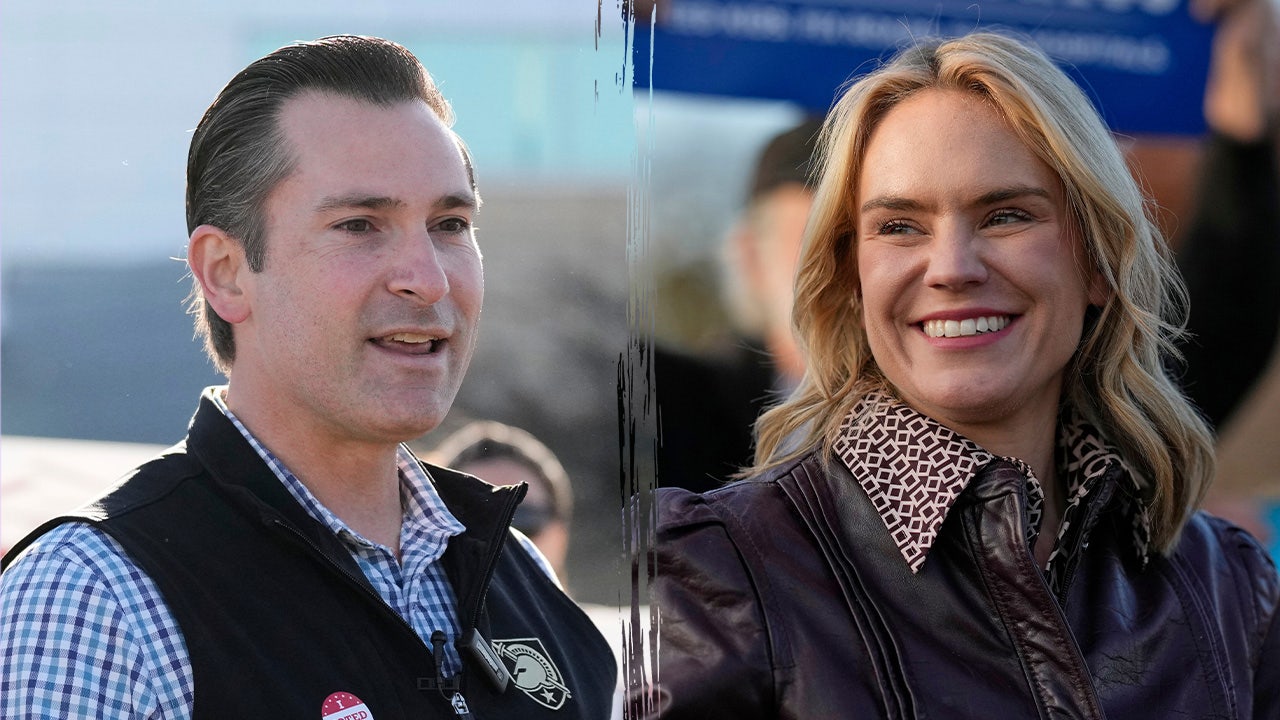
In a special election that has captured national attention, Republican Matt Van Epps and Democrat Aftyn Behn are vying for a vacant U.S. House seat in Tennessee’s 7th Congressional District. With polls showing a surprisingly competitive race in what has traditionally been ruby-red territory, both candidates expressed confidence as voters headed to the polls. “We’re getting incredible reports back all across the district,” Van Epps told Fox News Digital on Election Day, emphasizing the strong turnout from his supporters. Meanwhile, Behn declared to her supporters that “whatever happens, win or lose, you’ve inspired a country. You’ve shown people the South has something to say.” The race has taken on outsized importance as Republicans cling to a razor-thin majority in the House of Representatives.
The district, which stretches from Kentucky to Alabama and includes parts of Nashville, has been a Republican stronghold for years. Former President Donald Trump carried the district by 22 points in the 2024 presidential election, and former Representative Mark Green, whose resignation triggered this special election, won by over 20 points in his recent re-elections. Despite these advantages, Democrats have been energized following other 2025 election successes, pouring resources into what they see as a potential upset opportunity. Van Epps, when asked if he needed to win by a certain margin, pragmatically stated that “a win is a win,” though he expressed confidence they would “press as hard as we can to win by the biggest margin we can.”
Both national parties recognized the symbolic importance of this race as a barometer for the 2026 midterm elections. Outside groups aligned with both parties spent millions on advertising, while the Democratic National Committee and Republican National Committee dispatched staff to the district. House Speaker Mike Johnson spent Election Eve campaigning alongside Van Epps at numerous rallies across the district, joined by RNC chair Joe Gruters. “Special elections are strange because a lot of people take for granted in a deep red district like this that the Republican is just going to win automatically. Nothing’s automatic,” Johnson warned, emphasizing the need for voter turnout. Other Republican leaders rallying for Van Epps included Tennessee Governor Bill Lee, Senators Marsha Blackburn and Bill Hagerty, and numerous state lawmakers.
The high-profile nature of the race was further highlighted by former President Trump’s involvement. Trump spoke to supporters via phone at a rally, declaring, “The whole world is watching Tennessee right now. And they’re watching your district. The whole world. It’s a big vote. It’s going to show something. It’s got to show that the Republican Party is stronger than it’s ever been.” He later joined Van Epps for an evening tele-rally, underscoring the national implications of this local election. Democrats matched this energy, with progressive stalwarts like Rep. Alexandria Ocasio-Cortez, Rep. Pramila Jayapal, and former Vice President Al Gore participating in a virtual rally for Behn on Election Eve.
Behn, a state representative and former healthcare community organizer who has been dubbed the “AOC of the South,” has run a campaign focused on grassroots connections. “The reason this race is competitive is because I have been at community gatherings, potlucks, funerals, weddings, with the voters in the seventh district, and they remember that,” she told Fox News Digital. Her progressive platform and energetic campaign style have resonated with many voters who might not typically support a Democrat in this region. “I think the electorate is shifting to accept a candidate like me that has a progressive track record,” Behn stated, suggesting that regardless of the electoral outcome, her campaign had already succeeded in changing perceptions about what’s possible in Southern politics.
Van Epps, a military combat veteran and former commissioner of the Tennessee Department of General Services, has emphasized his local endorsements and growing momentum since winning the primary. “We’ve built momentum from the primary, and we’re going to carry this forward,” he said, pointing to the support of over 50 local leaders across the district. His campaign has focused on traditional Republican values while trying to motivate the base, particularly Trump supporters who might not typically vote in special elections. The outcome of this race will not only determine who represents Tennessee’s 7th District in Congress but will also be interpreted as a signal about the political landscape heading into the crucial 2026 midterm elections, when Republicans will be defending their narrow House majority.
As polls closed and votes began to be counted, both candidates and their supporters waited anxiously for results in an election that had become much more than just a local contest. Regardless of who ultimately prevails, this special election in Tennessee has demonstrated that even in districts long considered safe for one party, the political environment remains dynamic and unpredictable. With the balance of power in Washington so delicate, every seat—even one in a traditionally safe district—matters enormously to both parties’ strategies for maintaining or gaining control of the House of Representatives in the years ahead.