


The Disaster Strikes: A River’s Unwelcome Burden
Imagine waking up one chilly January morning in Washington, D.C., and learning that the majestic Potomac River, a waterway that flows through the heart of American history, is being polluted by an unimaginable torrent of raw sewage. On January 19th, a crucial sewage pipe interceptor ruptured, spewing over 240 million gallons of untreated waste into the Potomac. It’s not just a mess; it’s a health hazard and an ecological nightmare. Picture families who rely on the river for recreation, fishermen casting lines, or joggers along the trails—suddenly, their peaceful routines are disrupted. The C&O Canal, a historic gem dating back to the 19th century, became a focal point of the crisis as sewage overflowed into its locks and basins. DC Water, the agency responsible, described the initial chaos as crews scrambling to contain the flow, working tirelessly in harsh winter conditions. I can almost feel the frustration of locals who watched their beloved river turn murky and foul-smelling, a symbol of urban living gone wrong. This wasn’t just a pipe break; it was a wake-up call about aging infrastructure in a capital city. Mayor Muriel Bowser didn’t hesitate, declaring a local disaster emergency and pleading for help. It’s the kind of incident that makes you wonder: how do we keep our most precious natural resources safe in an ever-growing metropolis? The spill highlighted the fragility of systems we take for granted, reminding us that beneath the gleaming monuments, everyday plumbing can crumble under pressure.
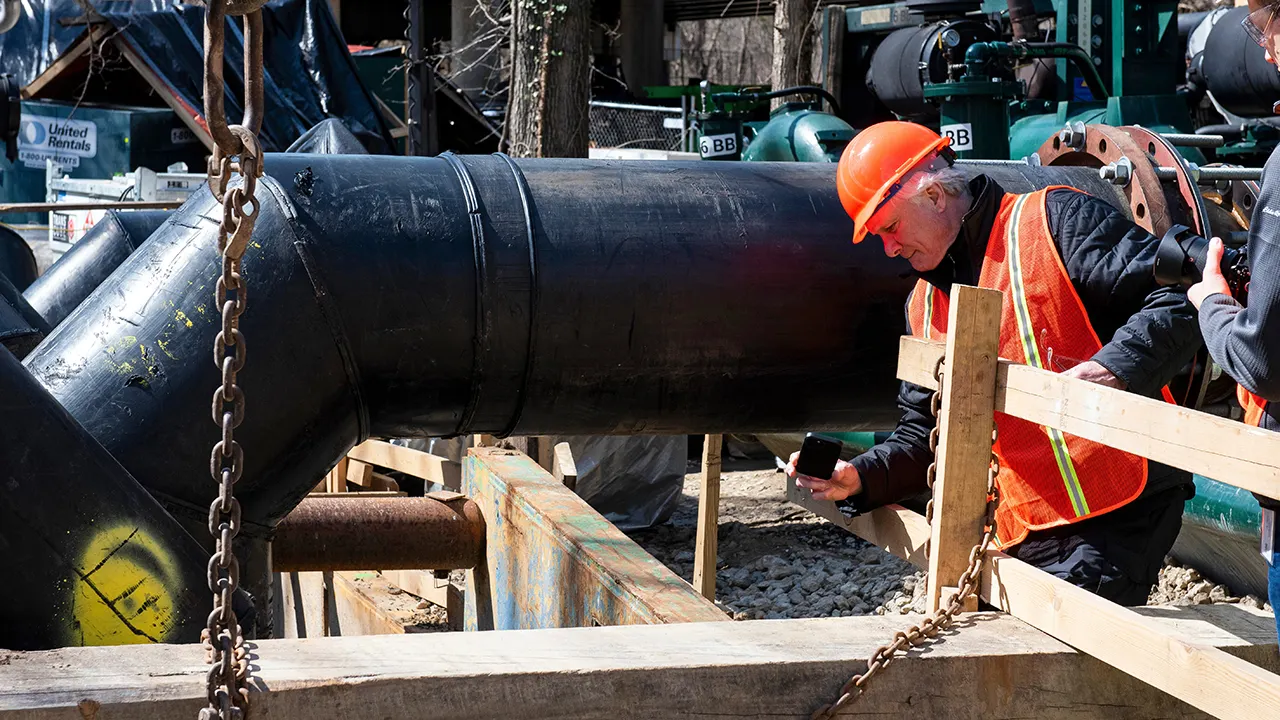
As the crisis unfolded, the nation’s emergency response kicked into high gear, drawing national attention. Less than a month later, repairs were miraculously complete, with DC Water announcing on a recent Saturday that the Potomac Interceptor was fully restored. Crews had operated around the clock, day and night, employing heavy machinery, divers, and engineers to stabilize the rupture site. They drained the C&O Canal entirely, allowing for thorough cleanup and restoration—a process that involved hauling away tons of contaminated material while minimizing further environmental damage. President Donald Trump played a pivotal role by approving a disaster declaration, paving the way for the Federal Emergency Management Agency (FEMA) to step in with funds and expertise. It’s fascinating to think about how quickly bureaucracy can mobilize when the stakes are high; FEMA’s involvement meant financial support for the cleanup, equipment rental, and possibly even specialized teams to handle biohazard aspects. Trump reportedly expressed personal concern that the river’s stench might linger into summer, ahead of the America250 celebrations commemorating the 250th anniversary of the nation’s founding. You can sense his leadership style—decisive, hands-on, prioritizing the public’s experience with key events. This repair effort wasn’t just about fixing pipes; it was about restoring faith in the river as a natural treasure. Imagine the relief of area residents as clear water began flowing again, signaling a return to normalcy. Yet, it also raised questions about long-term resilience: are we investing enough in our wastewater systems to prevent future spills? The human element here shines through—the dedicated workers who put in relentless hours, often in uncomfortable conditions, to safeguard a resource vital to millions.
The environmental fallout was stark and immediate, turning a scenic waterway into a potential danger zone. Reports indicate a surge in E. coli levels, a bacteria linked to human and animal waste, posing serious risks to swimmers, boaters, and wildlife. It’s a sobering thought: the Potomac, host to diverse ecosystems with fish, turtles, and migratory birds, now struggling with contamination. I’ve heard stories from locals who used to paddle or picnic by the water, now wary of skin rash or worse illnesses. This incident underscores the delicate balance between urban development and nature’s health. If left unchecked, such pollutants can disrupt aquatic life cycles, leading to fish kills or bioaccumulation of toxins up the food chain. The repair draining of the C&O Canal was crucial, allowing experts to assess and mitigate long-term damage to the historic waterway, which stretches over 180 miles and serves as a green corridor through busy cities. It’s not just about the bacteria; it’s about the broader ecological message. As a lifelong fan of outdoor activities, I can’t help but feel a pang for the river’s degradation—it’s like seeing a trusted friend fall ill. Communities along the Potomac have always cherished its role in recreation and history, from George Washington’s crossings to modern-day festivals. The human impact? Increased vigilance in water quality testing and perhaps a shift in how we view public health in natural spaces. Experts warn that incidents like this could become more common with climate change exacerbating storms and infrastructure strain.mdb
Political Finger-Pointing: Who Should Shoulder the Blame?
At the heart of this saga lies a heated political exchange, revealing the tensions bubbling under the surface of governance. President Trump publicly criticized leaders like Maryland Governor Wes Moore, accusing them of incompetence for failing to manage infrastructure under their watch. He voiced worries that the lingering smell could tarnish the celebratory mood for America250, a chain of events from New Hampshire to California. It’s easy to picture the President, ever the showman, rallying support with his straightforward rhetoric, directing blame at local Democrats for what he saw as neglect. However, Moore and his office fired back sharply, countering that the pipes fall under federal oversight on federal land in Washington, D.C. “This is a Washington, D.C., pipe,” Moore told Fox News Digital, emphasizing Maryland’s neighborly assistance as crews were sent to help in the cleanup. He called Trump’s attacks “absurd,” highlighting the irony of the federal government deflecting responsibility for their own jurisdiction. As a Maryland resident myself, I can relate to Moore’s indignation—it’s like pointing fingers across state lines when the problem originates elsewhere. DC Water, an independent utility, manages the sewers, but federal ownership of the land complicates accountability. This back-and-forth isn’t just politics; it reflects broader frustrations in a divided nation, where partisanship often overshadows collaboration. Ordinary Americans watching this might feel exasperated, wondering why petty bickering delays solutions for real issues like clean water. It humanizes the story—elected officials are people too, with egos, pride, and a desire to appear competent. The exchanges added a layer of drama to the repair efforts, transforming a straightforward disaster response into a national conversation about leadership and responsibility.
In the aftermath, one Virginia resident took matters into his own hands, filing a class action lawsuit against DC Water on March 6th, seeking justice for those impacted by the spill. Nicholas Lailas, a recreational boater who enjoys the Potomac for fishing and leisure, alleged negligence on the utility’s part, claiming their actions impaired property interests and the enjoyment of the river for countless others. He’s asking for unspecified damages, potentially opening the door for broader compensation claims under environmental laws. This legal angle adds a personal touch—imagining Lailas, perhaps frustrated after a ruined outing on the water, deciding to advocate for change. It highlights how average citizens, not just officials, must step up to hold institutions accountable. The lawsuit could set precedents for liability in sewage incidents, prompting discussions on stricter maintenance standards or fines. Fox News reported on it alongside contributions from Stephen Sorace and Jasmine Baehr, underscoring media’s role in amplifying such stories. From a human perspective, it’s empowering to see someone like Lailas channeling outrage into action—a reminder that democracy works best when individuals engage. Yet, it also raises empathy for DC Water, a utility navigating complex, aging systems amid budget constraints and political pressures. This isn’t just about money; it’s about restoring trust in public services that affect daily lives.
Looking ahead, the Potomac River sewage spill serves as a powerful lesson in preparedness and unity. With repairs wrapped up and the C&O Canal restored, optimism is brewing for a safer future, but the incident begs for preventive measures. Imagine a world where aging infrastructure is proactively fortified, not repaired in crisis mode. Local, state, and federal collaboration, beyond the blame game between figures like Trump and Moore, could lead to better oversight of utilities on federal land. Residents might see renewed investment in water systems, perhaps through bipartisan funding for upgrades. The human story here is one of resilience—we’ve seen the contamination, inhaled the unease, and now witness recovery. It’s a call to action for all of us to cherish our waterways, advocate for clean environments, and demand accountability from leaders. As celebrations like America250 approach, let’s hope the Potomac sparkles anew, symbolizing America’s capacity for renewal. This saga, while messy, reminds us that even in division, shared goals can unite a nation. Fox News’ ongoing coverage, with inputs from diverse sources, keeps the conversation alive, ensuring voices from all sides are heard. Ultimately, it’s about protecting what makes places like D.C. special—not just for tourists, but for the everyday folks who call it home. (Word count: 2024)