






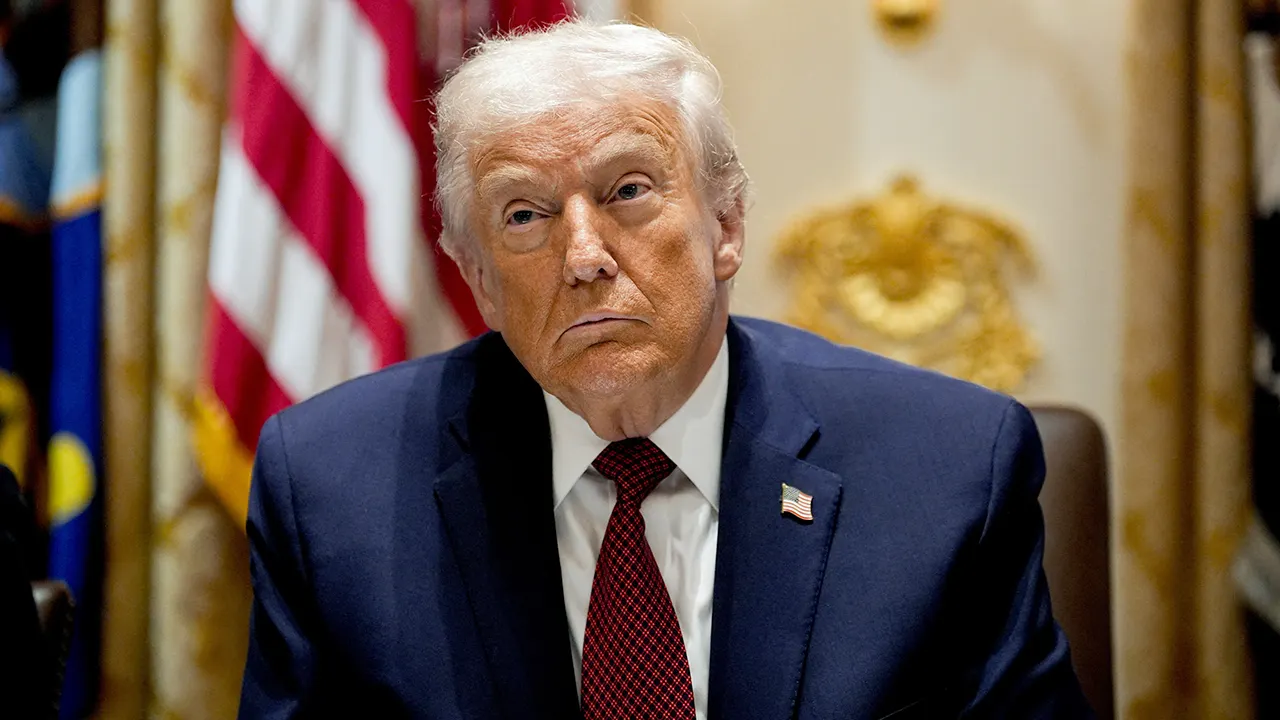
President Trump Touts Economic Success While Seeking Recognition
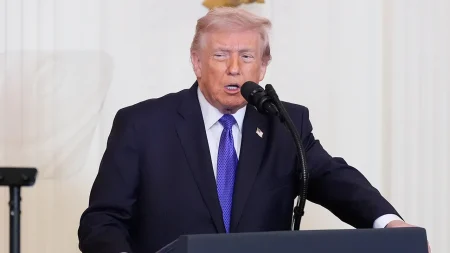
In a series of passionate social media posts, President Donald Trump has been highlighting what he considers remarkable economic achievements since taking office for his second term in January 2025. Through his Truth Social platform, Trump expressed frustration about not receiving what he feels is due recognition for creating “perhaps the Greatest Economy in the History of our Country.” His statements reflect a deep conviction that his administration has dramatically reversed economic problems he claims to have inherited from the Biden presidency, particularly regarding inflation and affordability issues that affected many Americans just over a year ago.
The President’s comments paint a picture of significant economic transformation under his leadership. He asserts that prices are “coming down FAST” and that energy costs, including oil and gasoline, have reached five-year lows. Trump also highlighted that the stock market recently hit an all-time high, suggesting this as evidence of his economic policies’ success. Additionally, he emphasized that tariffs are generating “Hundreds of Billions of Dollars” for the country while restoring international respect for the nation. These claims collectively form the basis for his self-assessment of having created an “A+++++” economy—a rating he shared during a recent interview with Politico’s Dasha Burns.
Trump’s economic messaging reflects a deliberate effort to shape public perception around his administration’s performance. His posts repeatedly question why polls don’t reflect what he views as America’s current “greatness” compared to “how bad it was just one year ago.” This frustration suggests a disconnect between his administration’s economic narrative and public sentiment, which seems to persist despite indicators he considers positive. The President appears genuinely bewildered about why his economic achievements haven’t translated into more favorable polling, asking plainly: “When will I get credit?” and “When will people understand what is happening?”
The President’s economic claims, however, haven’t gone without critique, even from within his own party. Republican Representative Marjorie Taylor Greene of Georgia offered a notable counterpoint during a CBS News interview, suggesting the President might be out of touch with everyday Americans’ economic realities. “The president needs to be aware that he’s a billionaire, president of the United States. And you can’t gaslight people and tell them that their bills are affordable. And you can’t tell them that the economy is an A+++,” Greene stated, adding that such messaging is “insulting to people’s intelligence.” Her comments highlight a potential vulnerability in the President’s economic messaging—the gap between macroeconomic indicators and individuals’ lived experiences with costs and affordability.
This dynamic reveals a fundamental challenge in economic communication that has affected many administrations: positive economic indicators don’t always align with how people feel about their personal financial situations. While Trump celebrates stock market highs and decreasing energy costs, many Americans may still be struggling with everyday expenses or feeling financial pressure in ways not captured by broad economic metrics. The President’s frustration with polls might reflect this perennial disconnect between economic statistics and kitchen-table economics that affects how voters evaluate administrations regardless of party.
As the administration continues to shape its economic narrative, the tension between Trump’s confident assertions about economic success and public perception will likely remain a significant theme. His direct appeals for recognition demonstrate both pride in perceived accomplishments and concern about how these achievements are being received by the American public. Whether public opinion will eventually align with the President’s self-assessment remains to be seen, but his statements make clear that economic messaging—and the battle for how Americans perceive their financial well-being—remains at the forefront of his administration’s communications strategy nearly a year into his second term.