





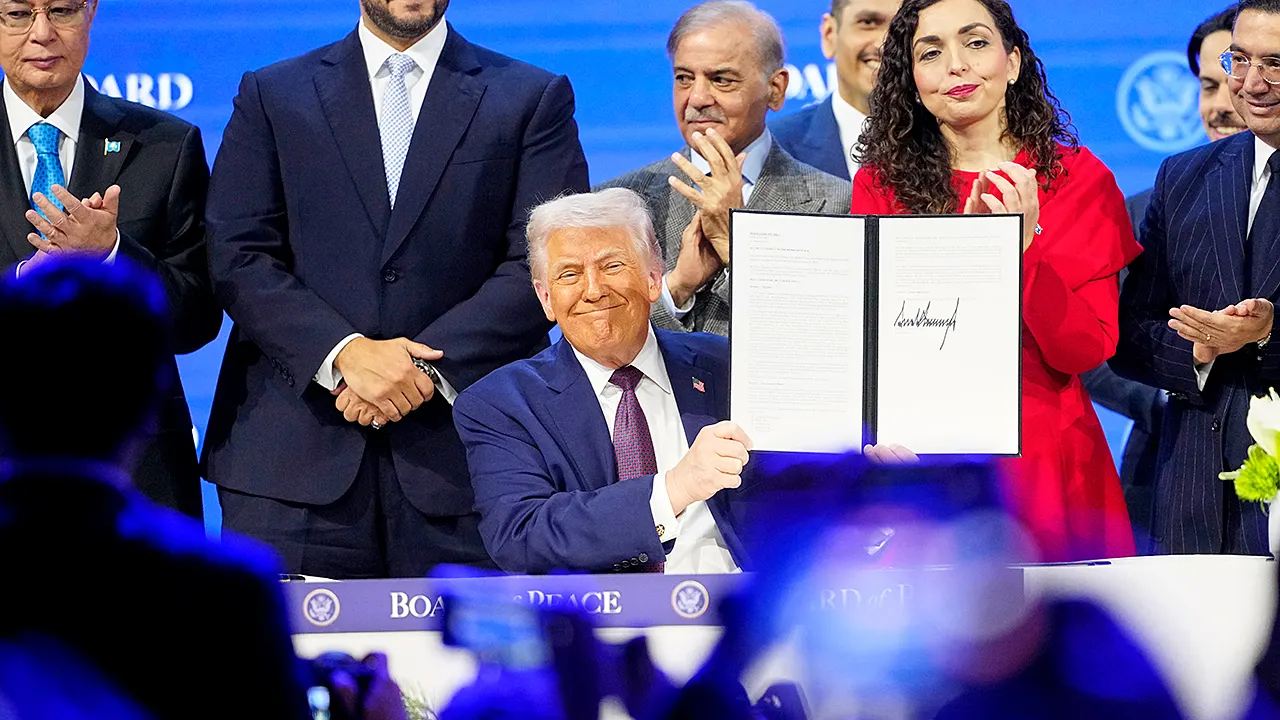
Trump’s Peace Initiative Takes Center Stage at Davos
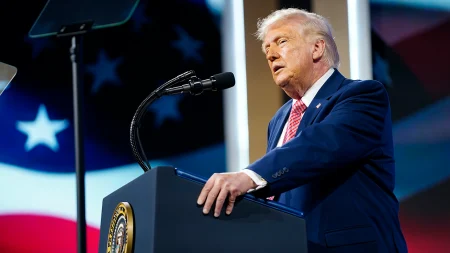
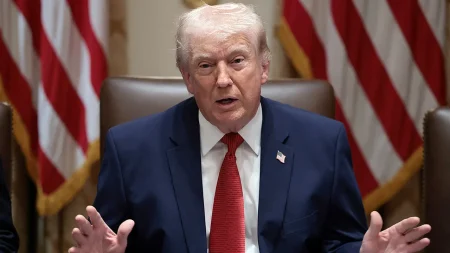
In a bold diplomatic move, President Donald Trump unveiled his ambitious “Board of Peace” during a high-profile ceremony at the World Economic Forum in Davos, Switzerland. The initiative, designed primarily to address the ongoing conflict in Gaza, has garnered support from 59 world leaders who signed on to pursue a lasting peace agreement. “Once this board is completely formed, we can do pretty much whatever we want to do,” Trump declared during the signing ceremony, emphasizing that the initiative is intended for global benefit rather than serving American interests alone. The President expressed optimism about the board’s potential to expand its influence beyond Gaza, suggesting that successful conflict resolution there could create a template for addressing other international disputes.
The formation of this peace board represents a significant shift in Trump’s approach to international diplomacy, with the President noting the diverse popularity status of participating leaders. “Most of the 59 leaders signed onto the deal are very popular, but others are not so popular. That’s the way it goes,” he acknowledged with characteristic frankness. This inclusive approach seems designed to prioritize results over ideological alignment, bringing together nations with varying geopolitical standings and interests. Trump’s willingness to collaborate with leaders across the popularity spectrum signals a pragmatic approach to peacemaking that values participation over perfection.
Notable absences from the board have raised questions about its universal appeal and effectiveness. Russian President Vladimir Putin has not joined, though Moscow has indicated they are discussing membership with “strategic partners.” The United Kingdom has also remained on the sidelines, with Foreign Secretary Yvette Cooper explaining that the legal treaty “brings up much broader issues.” Cooper specifically cited concerns about Putin’s potential involvement, stating, “We have concerns about President Putin being part of something which is talking about peace when we have still not seen any signs from Putin that there will be a commitment to peace in Ukraine.” This highlights the complex geopolitical calculations nations must make when considering participation in such initiatives.
European hesitation extends beyond the UK, with Norway and Sweden indicating they won’t participate, following France’s earlier decision to decline membership. French officials, while expressing support for the Gaza peace plan in principle, voiced concerns that the board could potentially undermine the United Nations’ role as the primary forum for conflict resolution. This apprehension appears well-founded, as Trump himself has previously suggested the board could make the UN obsolete. However, in his Davos remarks, the President adopted a more conciliatory tone, assuring attendees that the board would work “in conjunction with the United Nations.” These varying responses from European allies demonstrate the diplomatic tightrope Trump’s initiative must walk between innovation and institutional respect.
The absence of major powers like Canada and China further complicates the board’s claim to global representation. Without the participation of these significant international players, questions arise about the board’s ability to implement truly worldwide solutions. Trump’s characterization of the board as being “for the world” rather than just for the United States suggests aspirations of universal legitimacy, but the selective membership roster indicates that achieving truly global consensus remains challenging. The mixture of support and skepticism from various nations reflects the complex reality of international diplomacy, where national interests and geopolitical considerations often overshadow idealistic visions of cooperation.
Despite these challenges, Trump’s Board of Peace represents a significant attempt to reshape international conflict resolution mechanisms. By bringing together dozens of world leaders under a new framework specifically targeting the Gaza situation, the initiative demonstrates creative thinking about persistent global problems. Whether the board will succeed in its immediate goal of peace in Gaza, or in its broader ambition to address other conflicts, remains to be seen. What’s clear is that this bold diplomatic maneuver has already sparked important conversations about international cooperation, the future of multilateral institutions, and the complex interplay between national interests and global peace. As with many of Trump’s initiatives, the Board of Peace combines ambitious vision with practical challenges, leaving the international community to navigate this new diplomatic terrain.