



Trump and Musk’s Rekindled Relationship: A Political Rollercoaster
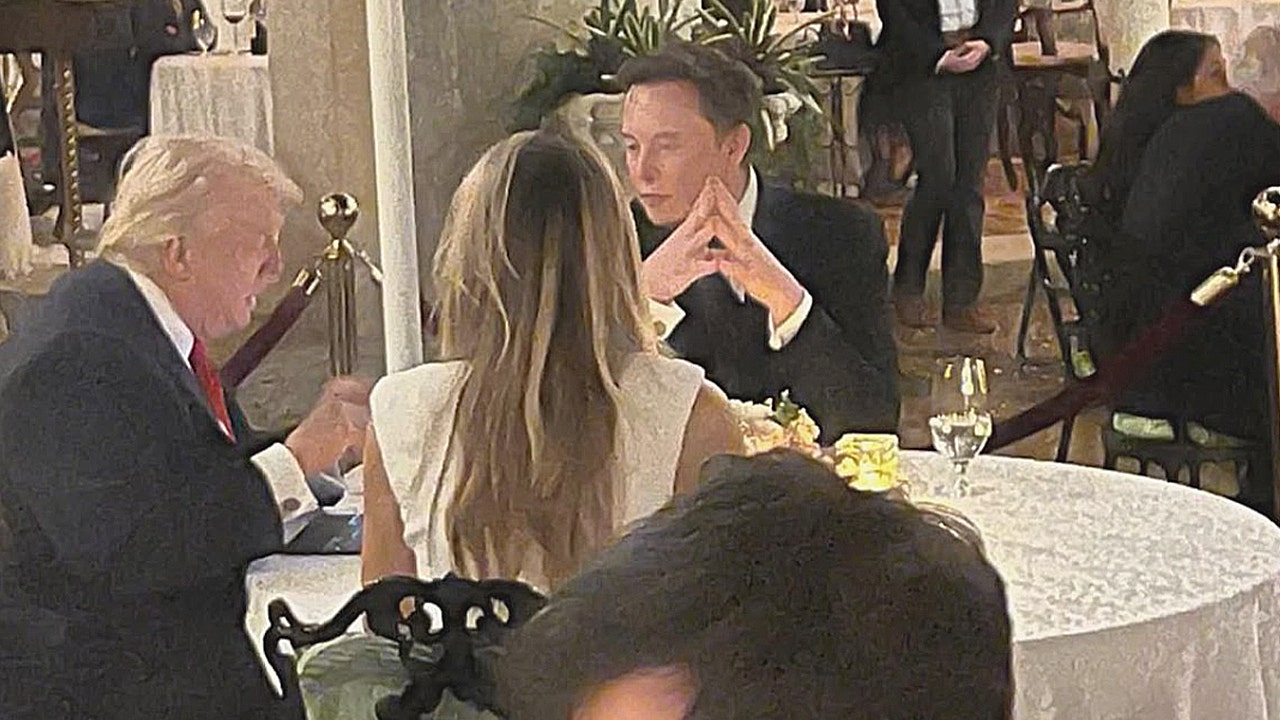
The once-strained relationship between President Donald Trump and Tesla founder Elon Musk appears to be on the mend, according to a recent social media post shared by the billionaire entrepreneur. On Sunday, Musk posted a photo on X (formerly Twitter) showing himself alongside the President and First Lady at Mar-a-Lago in Florida, captioning it, “Had a lovely dinner last night with @POTUS and @FLOTUS,” and adding optimistically, “2026 is going to be amazing!” This public display of camaraderie has sparked widespread speculation about a rekindled bromance between two of the most influential figures in American politics and business, following months of public tension and disagreement.
The relationship between Trump and Musk has been nothing short of a political rollercoaster over the past few years. Following the 2024 presidential campaign, Musk emerged as one of the Republican Party’s most significant financial backers, reportedly contributing hundreds of millions of dollars to support Trump’s election. This support was initially rewarded when the President appointed Musk to lead a government efficiency initiative known as DOGE (Department of Government Efficiency), which aimed to reduce federal spending and streamline operations. However, this collaboration was short-lived, with Musk stepping back from his role in mid-2025 amid growing criticism and apparent differences of opinion on fiscal matters with the administration.
The breaking point in their relationship came in June when Musk publicly criticized what he called Trump’s “big beautiful bill,” describing it as a “disgusting abomination” filled with pork-barrel spending. “I’m sorry, but I just can’t stand it anymore,” Musk declared in a strongly-worded post. “This massive, outrageous, pork-filled Congressional spending bill is a disgusting abomination. Shame on those who voted for it: you know you did wrong.” Trump’s response was equally pointed, expressing disappointment in Musk’s criticism and suggesting their “great relationship” might be over. Musk, never one to back down, countered with the bold claim that “Without me, Trump would have lost the election, Dems would control the House and the Republicans would be 51-49 in the Senate,” highlighting his influence in the political landscape and even hinting at potentially forming a new political party.
Despite these heated exchanges, signs of reconciliation began to emerge in late 2025. A significant public moment came in September when the two were spotted shaking hands at Charlie Kirk’s memorial service in Arizona, suggesting a thawing in their frosty relationship. Further evidence of their improving relations came in November when Musk was seen attending a White House dinner where Trump hosted Saudi Crown Prince Mohammed bin Salman. When asked in early December if Musk was “back in his circle of friends,” Trump responded diplomatically, “Well, I really don’t know. I mean, I like Elon a lot,” leaving the door open for continued improvement in their relationship while maintaining some ambiguity about its status.
The apparent reconciliation between Trump and Musk represents more than just a personal rapprochement; it symbolizes a potential realignment of two powerful forces in American politics and innovation. Musk, with his vast wealth, technological vision, and growing political influence, brings substantial resources and a forward-thinking perspective to the table. Trump, as the sitting President with considerable political capital and executive power, controls the levers of government policy and regulation that can significantly impact Musk’s business interests in electric vehicles, space exploration, and artificial intelligence. Their renewed collaboration could potentially accelerate technological advancement and economic growth in key sectors where America competes globally.
The dinner at Mar-a-Lago and Musk’s enthusiastic post about 2026 suggest not only that personal tensions have subsided but also that the two may be aligning on a shared vision for America’s future. While neither has publicly detailed what specific plans or agreements might have emerged from their meeting, Musk’s reference to 2026 hints at joint expectations for significant developments in that year, possibly related to technological milestones, policy initiatives, or even political strategies. As this relationship continues to evolve, it will undoubtedly be closely watched by political observers, business leaders, and the public alike, given the outsized influence both men wield in their respective spheres and their capacity to shape America’s economic and technological trajectory in the years to come.