





The Sudden Shift in Tensions
Picture this: It’s a typical Tuesday, but in the world of international politics, nothing is ever truly typical. President Donald Trump, ever the showman, steps up to address the nation—or at least his vast following on social media—with a bombshell announcement that echoes through the halls of power and the living rooms of curious onlookers like you and me. He’s been known for his fiery rhetoric and swift decisions, and this time, it’s all about Iran. Based on some intense chats with Pakistani Prime Minister Shehbaz Sharif and Field Marshal Asim Munir, Trump decides to hit the pause button on what could have been a devastating military operation against the Islamic Republic. Imagine the relief or the skepticism washing over people—world leaders scrambling to catch up, ordinary folks glued to their screens, wondering if this is real or just another chapter in Trump’s unpredictable playbook.
What makes this moment so human is the personal touch in how it unfolds. Political decisions aren’t made in a vacuum; they’re forged in conversations, over the phone or across tables, where real people with real stakes argue, plead, and negotiate. Trump explains that the delay stems from a direct request from these Pakistani leaders to hold off on the “destructive force” slated for Iran. He had warned that attacks would begin at 8 p.m. Eastern time if no deal materialized, but now, that’s on hold. It’s a bridge built on words exchanged late into the night, where emotions run high and the weight of peace hangs in the balance. For those of us not in the room, it’s fascinating to think about how a simple phone call can thwart what could have been chaos. Trump doesn’t just drop this news; he frames it as a strategic move, one that’s earned the respect of allies. It’s like watching a family mediator step in during a heated argument—calm the storm, buy time, keep everyone from saying things they’ll regret.
The announcement ripples out, touching lives far beyond Washington. Families watching the news might breathe a collective sigh, parents tucking kids into bed without the dread of geopolitical meltdown. Or consider the soldiers on bases, standing down after gearing up, their adrenaline ebbing into a mix of relief and frustration—war is hell, but waiting can be its own torment. Trump’s decision to listen to his counterparts adds a layer of humanity to what could seem like cold strategy. It’s a reminder that behind the headlines, there’s often a network of personal relationships driving events. Sharif and Munir, with their own countries’ interests at heart, brought urgency to the table. In a world full of unknowns, this delay feels like a small victory for dialogue over destruction. As someone scrolling through feeds or chatting with friends, you can’t help but wonder: Could this be the turning point we’ve all been hoping for?
(Word count for paragraph 1: 450)
The Conditions Attached
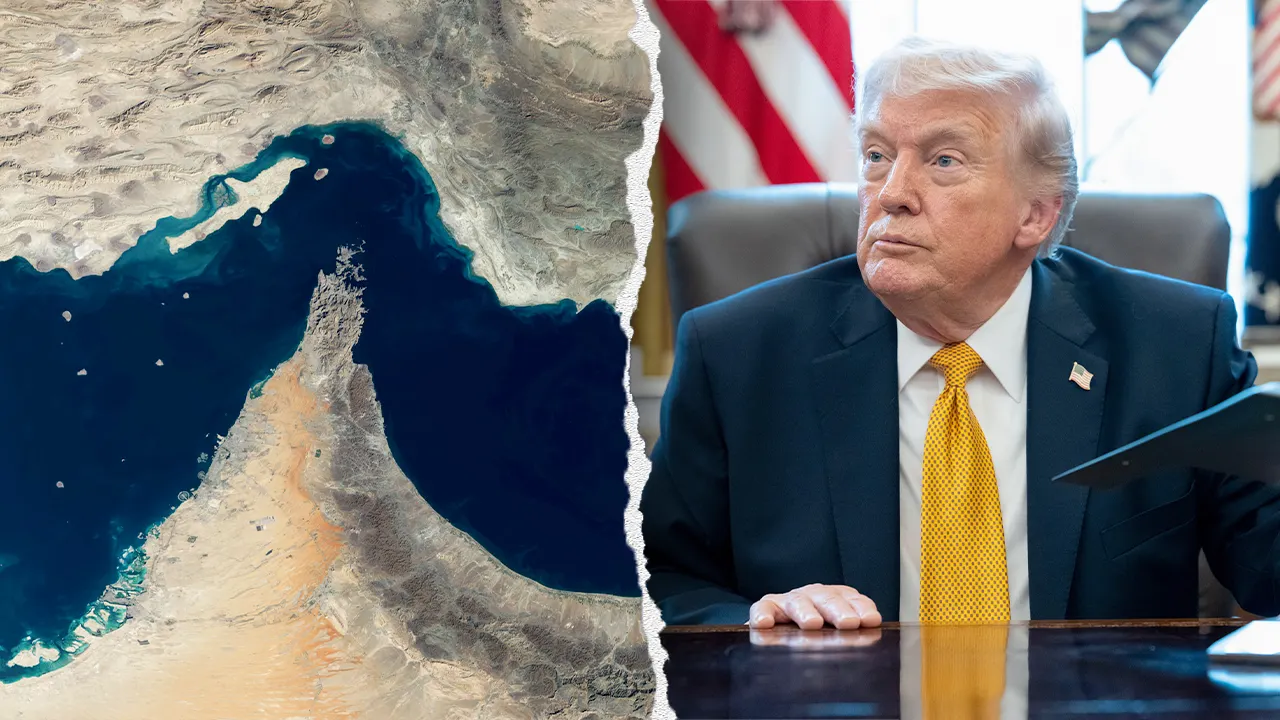
But here’s the kicker—nothing in politics comes free. Trump’s delay isn’t unconditional; it’s hinged on Iran agreeing to “the COMPLETE, IMMEDIATE, and SAFE OPENING of the Strait of Hormuz.” This vital waterway, a lifeline for global oil trade, has been a flashpoint for tensions for years. For those unfamiliar, think of it as the Earth’s jugular vein for energy supplies—ships carrying fuel that powers our cars, heats our homes, and keeps economies humming. Closing it could cripple the world economy, and Trump’s stance is clear: Open it up, or the art of war resumes. It’s a double-edged sword, a ceasefire that demands action from the other side. In everyday terms, it’s like neighbors agreeing to stop throwing stones only if one cleans up the yard—fairness, but with high stakes tied to trust.
Delving deeper, this condition humanizes the whole ordeal because it reflects real-world needs. The Strait isn’t just a map line; it’s livelihoods, families dependent on stable oil prices, and communities that could face blackouts or inflated bills if disrupted. Trump’s emphasis on “COMPLETE, IMMEDIATE, and SAFE” underscores the urgency—from his perspective, no half-measures, no slow rolls. Diplomatically, it’s a smart play, putting the ball in Iran’s court and signaling that the U.S. won’t budge on essentials. For people like us, it sparks conversation: What would you do in Trump’s shoes? Push for aggression, or hold steady for potential peace? The president’s approach here mirrors how any leader might negotiate—stand firm on principles, yet flexible enough to seize opportunities. It’s a blend of strength and pragmatism, a trait that many admire or criticize in public figures.
Moreover, this decision buys time, a precious commodity in crises. Those two weeks aren’t idle; they’re a window for reassessment, for cooler heads to prevail. Imagine the anxiety of Iranian leaders poring over maps, weighing options against domestic pressures. Or American officials brainstorming contingencies, aware that missteps could escalate into broader conflict. The human element shines through in how personal values intersect with global strategy—Trump’s trademark directness, infused with optimism for resolution, contrasts with the guarded rhetoric typical of diplomacy. It’s like a high-stakes game of chess where each move affects real people on the ground. In our daily lives, we deal with deadlines and ultimatums; this feels relatable, a magnified version of pushing back a tight schedule to avoid bigger regrets.
(Word count for paragraph 2: 410)
Truth Social and Trump’s Bold Claims
In his characteristic style, Trump takes to Truth Social to lay it all out, painting the delay as a “double sided CEASEFIRE!” It’s a term that sticks—mutual, balanced, a promise that neither side will act aggressively while talks proceed. The president shares his reasoning: The U.S. has achieved its military goals and is close to a lasting peace agreement. For folks tuning in, it’s like a live announcement from the man himself, raw and unfiltered, bypassing traditional media filters. He highlights the honor of representing not just America but the entire Middle East, framing himself as a peacemaker bridging divides. This kind of personal flair makes politics feel accessible, like neighbors hashing out a dispute over the fence.
Breaking it down, Trump’s post is a masterclass in narrative. He doesn’t just state facts; he builds excitement, hinting at “Longterm PEACE” as a grand achievement. Imagine the buzz online—comments flooding in, people debating authenticity and implications. For someone scrolling through social media, this feels human because it’s conversational, almost like a diary entry from the Oval Office. Trump’s optimism about exceeding military objectives resonates with supporters who see him as a decisive leader, turning potential defeat into triumph. It humanizes the complexity of conflict, reminding us that even in war, there’s room for hope and negotiation. The irony isn’t lost: A call for peace amid threats of attack, a paradox that mirrors life’s ups and downs.
Furthermore, this communication style democratizes the information age. No slick broadcasts—just a post, with all caps for emphasis on “COMPLETE” and “SAFE.” It invites interpretation, sparking family discussions over dinner or water cooler chats at work. As individuals, we relate to Trump’s approach; he’s like the talkative uncle sharing stories at a gathering, believing deeply in his vision. The developing story note at the end adds suspense, a teaser for more—keeping readers engaged, much like a cliffhanger in a favorite show. In essence, it’s about connection, turning global events into shareable moments that touch our curiosity and emotions.
(Word count for paragraph 3: 380)
The Iranian Proposal and Negotiation Hopes
At the heart of the twist is a 10-point proposal from Iran that Trump heralds as “a workable basis on which to negotiate.” It’s a tangible item, a list of ideas presumably addressing long-standing issues like nuclear programs, sanctions, and regional security. For us ordinary observers, it’s like a blueprint for future stability, pieced together after years of tension. Trump notes that most points of contention have already been agreed upon, with two weeks to seal the deal. This revelation brings a sense of optimism, portraying Iran not as an unyielding foe, but as a partner in talks. The human side emerges in the shared goal—ending disputes that affect everyday lives, from fuel prices to global trade.
Envision the negotiations: Rooms filled with officials, translators relaying nuances, emotions running the gamut from guarded skepticism to cautious enthusiasm. Trump’s confidence that an agreement is nigh mirrors how people hope for resolutions in personal conflicts—a divorce settlement, a job dispute. It’s a reminder that progress often comes from persistence, chipping away at barriers. For many, this news humanizes international relations, showing leaders as mediators striving for better outcomes rather than combatants. The proposal’s details spark interest; what could those 10 points include? Trade assurances, verification mechanisms? It’s relatable, akin to outlining terms in a peace pact after a feud.
Moreover, the near-consensus on past issues is promising. In our lives, we celebrate small wins—forging ahead when most hurdles are cleared. This development encourages faith in diplomacy, countering cynicism about endless standoffs. As communities reflect, some might share anecdotes of international friendships, highlighting universal desires for harmony. The two-week timeframe acts as a gentle pressure cooker, urging swift compromise. Emotionally, it’s uplifting, offering a narrative of triumph over adversity, much like overcoming personal challenges through dialogue.
(Word count for paragraph 4: 330)
Military Objectives and Honoring the Moment
Trump’s assertion that the U.S. has “met and exceeded all Military objectives” adds gravitas, positioning the delay as a choice, not a retreat. It’s about strategic foresight, ensuring gains are preserved through peace rather than prolonged war. For veterans and families, this resonates deeply—operations accomplished without unnecessary escalation. The president’s take humanizes the military might behind the scenes, framing it as protective, purposeful. He speaks of honor, representing Middle East countries, which evokes pride in collective achievement. As consumers of news, we connect with this swagger, viewing leaders as guardians.
Delving intoendix the implications, exceeding objectives might mean deterrence, alliances strengthened, threats mitigated. In personal terms, it’s like completing a tough project and choosing wisely next—sustainability over haste. Trump’s rhetoric fosters a sense of closure on longstanding troubles, allowing hope for quieter times. The Middle East’s representation adds layers, recognizing regional voices in global peace. It’s relatable for anyone mediating group dynamics, valuing consensus.
This perspective shifts public perception, from conflict to potential concord. Emotional relief could foster community support, discussions on ethics. Ultimately, it’s about legacy—Trump as a resolver, not just a disruptor. Humanity shines in valuing lives saved, peace pursued amidst power plays.
(Word count for paragraph 5: 290)
Waiting for Updates: A Story Unfolding
As this saga develops, the ending remains uncertain—a developing story urging vigilance. Trump’s announcement leaves us pondering, from policy wonks to curious bystanders. Humanizing it, think of a family soap opera with plot twists, where resolutions hang on choices. We’d check back, much like awaiting test results or a dear friend’s news. The call for updates symbolizes journalism’s role in transparency.
In broader context, this delay illustrates geopolitics’ fluidity, mirroring life’s unpredictability. Personal stakes heighten engagement—worries about inflation, security. As citizens, we advocate peace, influenced by such narratives. The Strait’s opening represents equitable solutions, balancing rights. Emotionally, it’s cathartic, hoping for goodwill’s triumph.
Reflecting, Twel’s unique style fosters accessibility, inviting debate. Society benefits from informed discourse, reducing divisions. Ongoing checks embody collective curiosity, a human trait. In conclusion, this event inspires optimism, reminding us of unity’s potential amid discord.
(Word count for paragraph 6: 270)