





$5 Million Reward Offered for Information on Dangerous Gang Leader
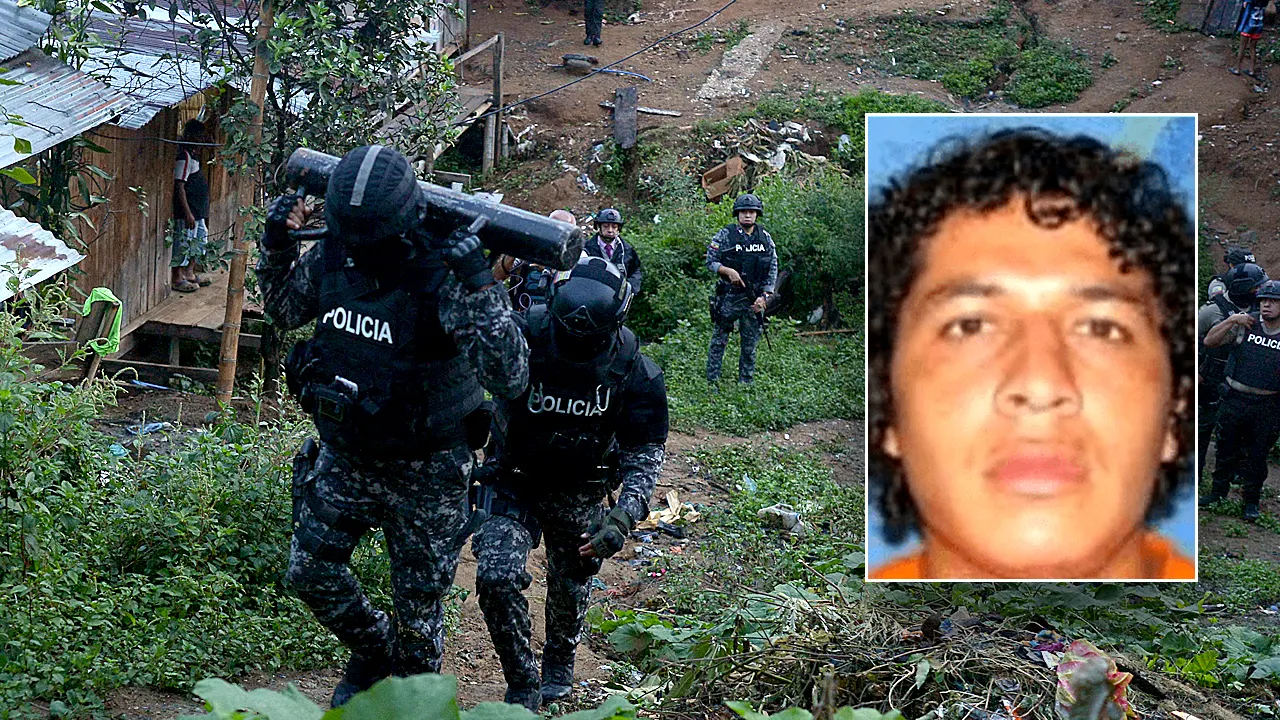
The Trump administration is taking decisive action against international drug trafficking by offering a substantial $5 million reward for information leading to the arrest and conviction of Francisco Manuel Bermúdez Cagua, known as “Churron.” At just 29 years old, Bermúdez Cagua has risen to become a top lieutenant in Los Choneros, a violent gang that was recently designated as a Foreign Terrorist Organization (FTO) by the State Department. The reward announcement highlights the seriousness with which U.S. authorities view the threat posed by this organization, which is accused of trafficking drugs and firearms into the United States while committing extreme acts of violence in Ecuador. The superseding indictment against Bermúdez Cagua includes charges of international cocaine distribution conspiracy, international cocaine distribution, and using firearms to further drug trafficking activities—all serious federal offenses that demonstrate the comprehensive approach being taken to dismantle this criminal network.
The case against Los Choneros extends beyond Bermúdez Cagua to include other high-profile members of the organization. José Adolfo Macías Villamar, nicknamed “Fito,” was extradited to New York in July 2025 to face similar charges related to international drug trafficking and firearms violations. Another co-conspirator, 35-year-old Darío Javier Peñafiel Nieto, known as “Topo,” is currently being held in Ecuador. These coordinated enforcement actions demonstrate the international cooperation between the United States and Ecuador in addressing transnational criminal organizations. U.S. Attorney Joseph Nocella Jr. from the Eastern District of New York emphasized the serious nature of these charges, noting that Los Choneros is “an extremely violent foreign terrorist organization responsible for pumping drugs into the United States, causing harm to our communities, and wreaking havoc in his homeland of Ecuador.” This statement reflects the dual concerns driving this prosecution: protecting American communities from dangerous narcotics and helping a partner nation combat organized crime within its borders.
The indictment against Los Choneros paints a picture of a sophisticated criminal enterprise with far-reaching influence. According to authorities, the organization has established a complex network capable of moving multi-ton quantities of cocaine from South America through Central America and Mexico before ultimately reaching the United States and other international destinations. What makes Los Choneros particularly dangerous is not just its drug trafficking operations but also its willingness to employ extreme violence to advance its interests. The co-conspirators named in the indictment are specifically accused of directing and ordering violent acts as a means of furthering the organization’s criminal objectives. This combination of drug trafficking capacity and propensity for violence led to the State Department’s decision in September 2025 to formally designate Los Choneros as a Foreign Terrorist Organization, a classification that brings additional legal tools to bear against the group and its members.
Drug Enforcement Administration (DEA) Administrator Terrance Cole emphasized the threat posed by Bermúdez Cagua, describing him as a “high-ranking narco-terrorist whose actions have fueled the flow of cocaine into the United States and sown chaos in Ecuador.” This characterization reflects the evolving understanding of the nexus between drug trafficking and terrorism, with criminal organizations like Los Choneros increasingly viewed through a national security lens rather than merely as law enforcement challenges. The impact of such organizations extends beyond the immediate harm caused by drug addiction and overdoses in American communities. These groups can destabilize entire regions, undermine legitimate governance, and create conditions conducive to other forms of criminal activity and extremism. In Ecuador specifically, Los Choneros has contributed to a security crisis that has left communities living in fear and strained the resources of local law enforcement and military forces.
The $5 million reward offered through the State Department’s Narcotics Reward Program represents one of the many tools being deployed against Los Choneros and similar organizations. Chris Landberg from the U.S. Department of State’s Bureau of International Narcotics and Law Enforcement Affairs emphasized this approach, stating: “We will use every tool in our arsenal to stop the brutal criminals who are trafficking deadly drugs into our country.” These tools include not just rewards and prosecutions but also international cooperation, intelligence sharing, targeted sanctions, and assistance to strengthen the capacity of partner nations like Ecuador to address transnational criminal threats. By approaching the problem from multiple angles simultaneously, U.S. authorities hope to disrupt the operations of Los Choneros while sending a clear message to other criminal organizations that similar activities will not be tolerated.
The DEA has established dedicated channels for individuals with information about Bermúdez Cagua’s whereabouts, promising confidentiality for those who come forward. Tips can be submitted via email at Ecuadortips@dea.gov or by calling +593-988-292-235. This outreach recognizes that successfully apprehending fugitive leaders often depends on cooperation from individuals within or adjacent to criminal networks who become disillusioned or seek to escape the violence themselves. The $5 million reward provides a powerful incentive for such individuals to share information that could lead to Bermúdez Cagua’s capture. If successful, this approach would not only bring a dangerous criminal to justice but also potentially disrupt Los Choneros’ operations by removing a key leader and creating uncertainty within the organization’s ranks. As this case progresses, it will likely serve as an important test case for the effectiveness of the FTO designation as a tool against transnational criminal organizations that blend drug trafficking with terrorist-like tactics and organization structures.