





The Dramatic Arrest of Nicolas Maduro: A Global Power Shift
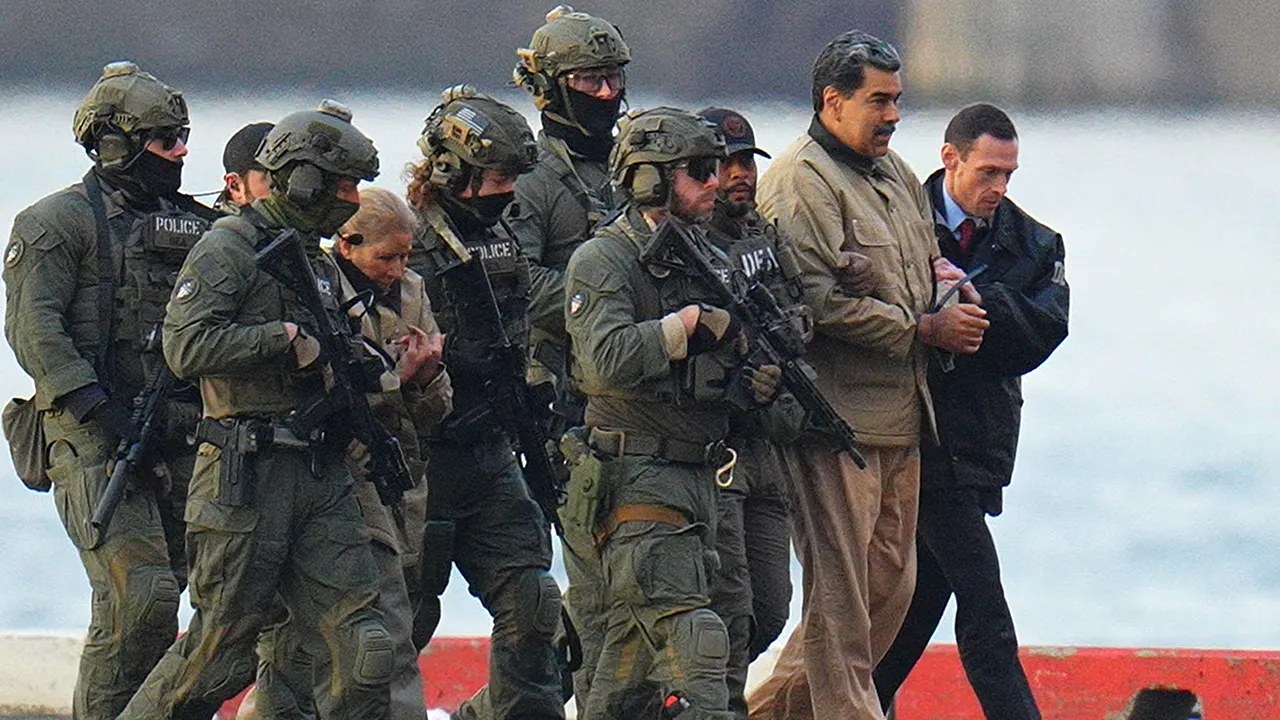
Imagine the scene in Caracas, Venezuela, on a tense January morning in 2021: U.S. forces storm the presidential palace and capture former President Nicolas Maduro and his wife, Cilia Flores, whisking them across the world to face federal charges in a New York courtroom. It’s the kind of high-stakes drama you’d expect from a blockbuster thriller, but this is real life—and it’s rooted in allegations of international crime. Maduro, once a commanding figure in Venezuelan politics, and Flores found themselves pleading not guilty to serious drug trafficking and weapons charges on January 5. The U.S. military operation, authorized by President Trump’s administration, marked a bold assertion of American influence abroad. Now, as Maduro sits in a federal jail in New York, his legal battle is just beginning, and it’s revealing deep layers of geopolitical tension. The charges against him include narco-terrorism conspiracy, cocaine importation, and possession of machine guns and destructive devices—accusations that paint him as a key player in criminal networks spanning continents. Flores faces similar counts, though her role is framed slightly differently in the indictment. This isn’t just a legal saga; it’s a clash between two nations, with Venezuela’s embattled government scrambling to respond to what they see as a kidnapping plot cloaked in judicial process.
Legal Roadblocks: Venezuela’s Struggle to Fund Maduro’s Defense
Fast-forward to February 20, and the courtroom drama heats up with a pivotal letter from Maduro’s attorney, Barry Pollack, to U.S. District Judge Alvin Hellerstein in the Southern District of New York. Pollack lays out a compelling case: under Venezuelan law and long-standing custom, the government of Venezuela has a direct obligation to cover the legal fees of its president and first lady. Maduro, he argues, can’t afford high-powered counsel on his own—his resources are frozen by U.S. sanctions. This isn’t about sympathy; it’s about fundamental rights. Pollack emphasizes that Maduro has a “legitimate expectation” that his nation would step up, much like how many governments worldwide protect their leaders’ interests in turbulent times. It’s a human element in an otherwise cold legal battle: imagine being thrust into a foreign jail, fighting charges that could mean life in prison, while your access to the best defense is blocked. Pollack is fighting not just for his client but for the principle that even adversaries deserve a fair shot at justice. Without this funding, Maduro’s ability to mount a robust defense is crippled, turning the odds even steeper in a system already tipped against him.
Sanctions and Sixth Amendment Concerns: OFAC’s Role in the Drama
At the heart of this legal standoff are the heavy-handed sanctions imposed by the U.S. Department of the Treasury’s Office of Foreign Assets Control (OFAC). These measures, designed to isolate and pressure hostile governments, have created a Catch-22 for Maduro. On January 9, OFAC granted special licenses allowing Maduro and Flores to retain counsel—but that’s where the plot twists. Flores’ license permits the Venezuelan government to foot her legal bills, but Maduro’s was amended without explanation, effectively barring any government payment for his defense costs. This selective treatment raises eyebrows and alarms for Pollack, who labels it as “interfering with Mr. Maduro’s ability to retain counsel of his choice.” He invokes the Sixth Amendment, that cornerstone of American constitutional rights, arguing that the U.S. government is undermining Maduro’s access to due process. It’s a fascinating irony: the same sanctions aimed at Venezuelan corruption are now being accused of perpetuating injustice. Pollack hasn’t minced words, declaring OFAC’s actions a violation that could derail the fairness of the trial. By selectively amending licenses, the Trump administration’s policies extend beyond diplomacy into the realm of courtroom interference, sparking debates about whether geopolitical vendettas are overshadowing the rule of law.
Maduro’s Defiant Stand and the Threat of Legal Action
Amid this escalating conflict, Maduro’s camp isn’t backing down. Pollack’s letter serves as a ultimatum: OFAC must reinstate the original license or face a formal motion in court. He stresses that time is of the essence—Maduro can’t wait indefinitely while his defense crumbles. This stance reflects a man who’s weathered political storms in Venezuela, from hyperinflation to international isolation, and now confronts a new adversary: the U.S. judicial machine. It’s easy to humanize this; picture Maduro, once the unchallenged leader of his nation, now reliant on his wife and loyalists to rally support. Flores, with her license intact, might advocate from her cell, her own charges mirroring her husband’s. The narrative humanizes the defendants not as villains in caricature but as figures caught in a web of global power plays. Their plea deals or trials could ripple across Venezuela, where Maduro’s allies continue to govern, and the opposition cheers the U.S. intervention. Pollack’s threats signal that this legal duel is far from over—it could unravel further, exposing cracks in international relations and the ethics of using finance as a weapon.
The Bigger Picture: Charges, Operations, and Venezuelan Reactions
Zooming out, this case isn’t isolated; it’s a culmination of years of U.S. frustration with Venezuela under Maduro’s leadership. The January 3 operation to capture him and Flores was a daring feat—American forces navigating the risks of a foreign capital to seize two high-profile targets. Once in New York, the charges were laid bare: Maduro accused of orchestrating drug empires and arming destructive forces, Flores implicated in parallel conspiracies. These aren’t petty offenses; they’re framed as threats to global security, weaving tales of illicit trade routes and shadowy alliances. Venezuelan officials have cried foul, calling it an abduction, while U.S. agents like Senator Marco Rubio have defended it as a necessary strike against tyranny. It’s a story rich in human drama—tales of betrayal, loyalty, and survival. On the ground in Venezuela, citizens grapple with shortages and instability, questioning whether this arrest will usher in change or escalate chaos. Allies like Alex Saab, another Maduro associate, have faced their own arrests in joint operations, highlighting a broader net closing on the regime. The case forces us to ponder: is justice truly blind, or does it favor the powerful?
Lingering Questions and the Future of Fox News Accessibility
As this saga unfolds, questions linger about the U.S. Attorney’s Office and Treasury Department’s responses—Fox News Digital reached out for comment, but silence often speaks volumes in such disputes. Meanwhile, in a nod to modern media, listeners can now tune into Fox News articles via audio, bridging the gap between hectic lives and breaking news. It’s a reminder that stories like Maduro’s aren’t just reports; they’re immersive experiences demanding our attention. Will OFAC relent? Could this trial expose deeper truths about international drug wars and political leverage? As the courtroom awaits more developments, the human cost—freedoms curtailed, families torn—underscores the high stakes. Maduro’s journey from Caracas palace to New York cell symbolizes the fragility of power and the relentless march of accountability. Yet, it’s also a call to reflect on how global politics shapes personal fates, urging us to seek fairness in an increasingly divided world. From sanctions to Sixth Amendment skirmishes, this is a testament to resilience amid adversity.