





Federal Appeals Court Overturns Restrictions on ICE Agents’ Tactics in Minnesota
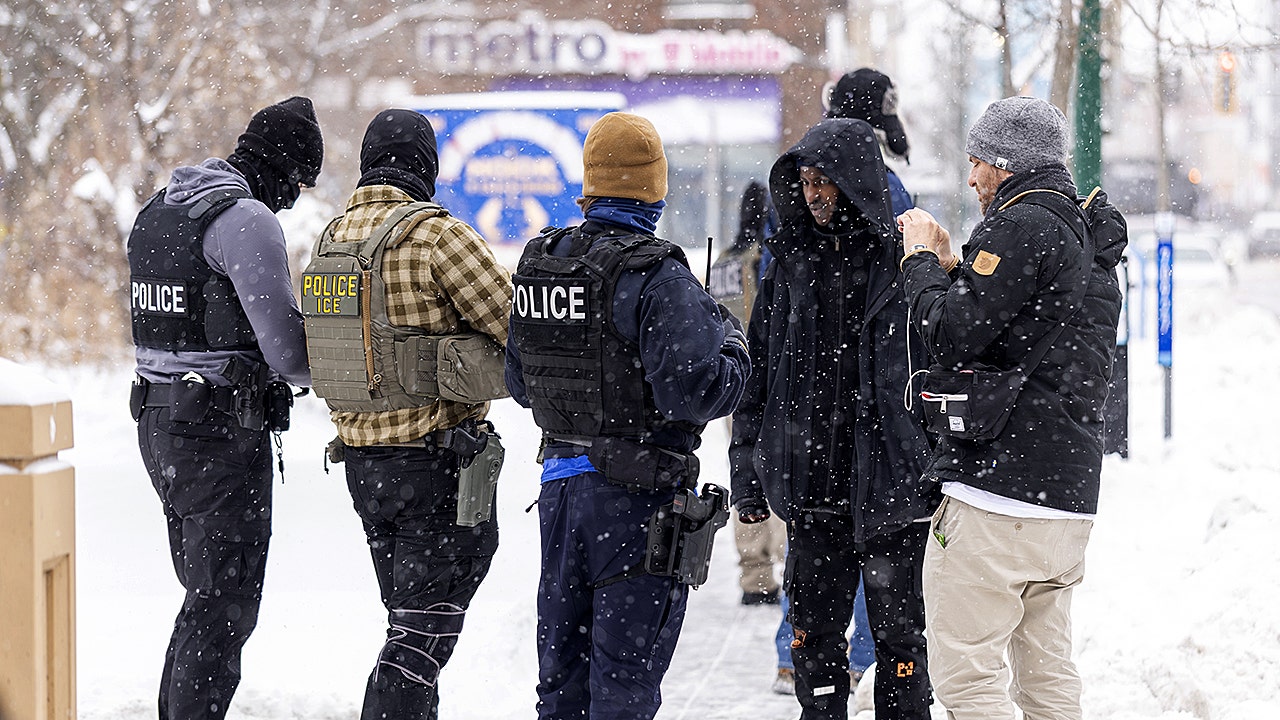
In a significant legal victory for the Trump administration, the 8th US Circuit Court of Appeals has blocked restrictions that limited how Immigration and Customs Enforcement (ICE) agents could respond to protesters in Minneapolis. The three-judge panel’s ruling overturns a lower court decision that had prevented officers from using tactics such as arrests, detention, pepper spray, or alleged retaliation against anti-ICE protesters without probable cause. This ruling represents the latest development in an ongoing tension between law enforcement agencies carrying out immigration policies and those protesting such enforcement operations, highlighting the complex balance between maintaining public order and protecting constitutional rights.
The appeals court carefully examined the same video evidence that the district court had reviewed and came to a markedly different conclusion about what transpired between federal agents and protesters. “What they show is observers and protesters engaging in a wide range of conduct, some of it peaceful but much of it not. They also show federal agents responding in various ways,” the court stated in its ruling. This assessment directly challenged the lower court’s characterization of the interactions, suggesting that the context of the confrontations was more nuanced than previously determined. The ruling grants a “FULL STAY” against the restrictions, effectively allowing ICE agents to use their full range of approved tactics when dealing with confrontational situations during enforcement operations.
U.S. Attorney General Pam Bondi celebrated the decision on social media, framing it as a necessary correction to judicial overreach that had placed law enforcement officers at risk. “Liberal judges tried to handcuff our federal law enforcement officers, restrict their actions, and put their safety at risk when responding to violent agitators,” Bondi wrote on X (formerly Twitter). She emphasized that the Department of Justice had successfully fought against what she characterized as “a reckless attempt to undermine law enforcement.” This rhetoric reflects the administration’s consistent position that immigration enforcement officers need appropriate tactical options when confronted by protesters, particularly in situations they perceive as potentially dangerous or obstructive to their duties.
The original lawsuit that prompted this legal battle was filed by six protesters who alleged federal authorities had violated their civil rights during immigration enforcement operations. On January 16, U.S. District Judge Kate Menendez had sided with these protesters, issuing a preliminary injunction that significantly limited how ICE agents could respond to protesters. Judge Menendez’s ruling found that the plaintiffs were likely to succeed on claims that federal agents had violated their First and Fourth Amendment rights during protests and observation of ICE activity connected to “Operation Metro Surge” in the Twin Cities area. Her decision cited specific incidents where ICE agents allegedly used pepper spray, pointed weapons, made arrests, and conducted traffic stops against individuals who, according to the court, were peacefully observing or protesting immigration enforcement actions.
The contrasting judicial interpretations highlight the deeply divisive nature of immigration enforcement in America today. On one side are concerns about potential civil rights violations and the constitutional protection of peaceful protest; on the other are arguments about the need for effective law enforcement and the safety of federal agents carrying out their duties. The appeals court’s decision reflects a judicial determination that the lower court had gone too far in restricting the tactical options available to ICE agents, potentially hampering their ability to maintain order during enforcement operations. This ruling comes amid continued national debate about immigration policy, law enforcement tactics, and the appropriate boundaries of protest in politically charged contexts.
As this case moves forward, it underscores the ongoing challenges in balancing robust immigration enforcement with constitutional protections for free speech and assembly. The ruling does not end the underlying lawsuit, but rather removes the preliminary restrictions while the case proceeds. Both supporters and critics of current immigration enforcement policies will be watching closely to see how this decision affects interactions between ICE agents and protesters on the ground in Minnesota and potentially throughout the country. The ultimate resolution of this case may help establish clearer guidelines for how federal immigration enforcement can operate when faced with organized opposition, and what protections protesters can expect when they gather to voice their opposition to such operations.