





The Geopolitical Chess Game: US-Iran Tensions Under Trump
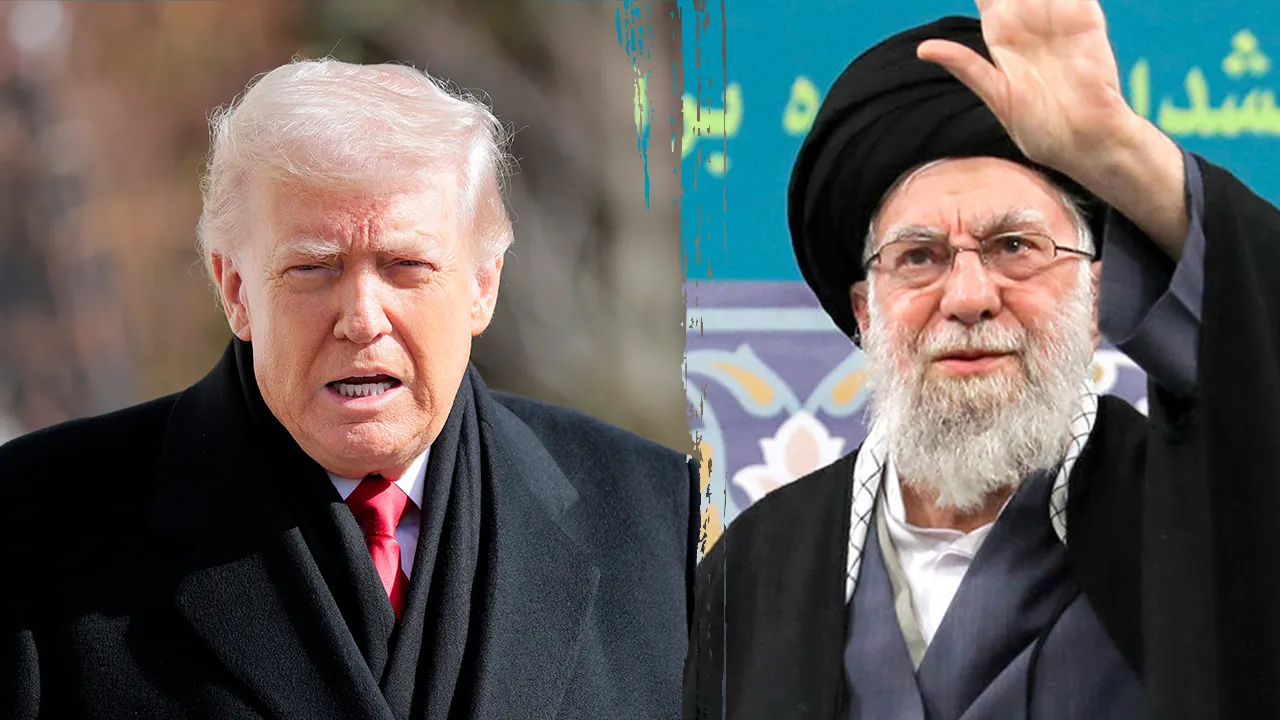
In the ever-shifting sands of international diplomacy, where power plays and alliances shift like desert winds, the United States under President Donald Trump escalated its stance against Iran with a bold expansion of sanctions. This move, unveiled just ahead of yet another anticipated round of nuclear talks, underscores the Trump administration’s unwavering commitment to what they’ve dubbed the “maximum pressure” campaign. Imagine the scene in Washington, D.C.—bustling think tanks and oval office meetings, where policymakers huddle over maps of the Middle East, debating how to curb a regime that has long been seen as a thorn in the side of American interests. For everyday Americans tuning into the news, this might feel like just another headline in a world full of global crises, but it hits close to home when you consider the ripple effects on oil prices at the pump or the safety of our troops stationed overseas. Fans of Fox News might now hit play on their app to hear this story narrated aloud, bringing the dry facts to life through voice and inflection, much like a friend recounting a tense family feud. As we dive deeper, it’s important to humanize this conflict: think of Iranian families grappling with economic hardships, or U.S. veterans whose lives were scarred by proxy battles in Syria and Yemen.
Delving into the backstory, the US-Iran relationship has been a powder keg since the 1979 Islamic Revolution, which saw America’s former ally turn into a bitter foe. Over the years, we’ve seen hostage crises, covert operations, and the infamous Iran-Contra affair, each chapter adding layers of mistrust. Trump’s approach, characterized by his America First policy, ramped up the heat significantly in 2018 when he pulled out of the Iran nuclear deal brokered by his predecessor. For those who’ve followed Trump’s Twitter storms or watched his rallies, this isn’t just policy—it’s personal. Recall his fiery campaign speeches promising to dismantle deals he saw as flawed concessions, drawing cheers from audiences who felt the previous administration had been too soft. On the human side, consider the Iranian diaspora in America—engineers, doctors, and students who’ve fled repression at home, now watching with bated breath as sanctions squeeze their homeland’s economy. These aren’t just statistics; they’re families torn apart by geopolitics. Intel agencies report Iran funneling billions through shadowy networks to fund groups like Hezbollah, evading international scrutiny with tactics that feel straight out of a spy thriller. Yet, in humanizing this, we must acknowledge the Iranian populace’s grievances: government-imposed hijabs, censored internet, and crackdowns on dissent, all prioritized by a regime that diverts resources from its people to military ambitions.
The specifics of the latest sanctions hit home as Treasury Secretary Scott Bessent laid it bare in his statement: “Iran exploits financial systems to sell illicit oil, launder the proceeds, procure components for its nuclear and conventional weapons programs, and support its terrorist proxies.” Picture Bessent, a former hedge fund guru turned diplomat, speaking from the podium, his words echoing through newsrooms and living rooms alike. This humanizes the policy—it’s not mere bureaucracy but a targeted effort to disrupt Iran’s financing web, where every dollar laundered might fund a missile aimed at American allies or an insurgency in the region. Experts point to networks involving Chinese banks, Venezuelan refineries, and even cryptocurrency havens, where illicit oil sales—often discounted yet flooding black markets—keep the regime afloat. For an average American taxpayer, whose dollars indirectly support these sanctions through funded intelligence ops, it can be frustrating to hear about “winding” sanctions that Iran agilely dodges. Bessent’s invocation of Trump’s “strong leadership” resonates with supporters who see it as reclaiming American might, but critics argue it’s counterproductive, alienating allies in Europe who once joined the nuclear deal. Human stories emerge here too: smugglers risking lives to ship oil past blockades, or whistleblowers exposing corruption at great personal peril.
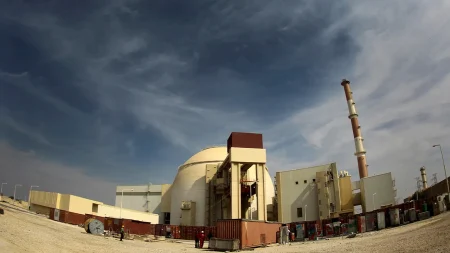
As these sanctions tighten the noose—reportedly freezing assets and barring companies from dealing with Iranian financial lifelines—we circle back to the impending nuclear talks. Timing is everything in this saga, with negotiators from the US, Iran, and P6+1 nations poised for discussions that could either de-escalate or ignite further conflict. Trump’s “maximum pressure” mantra, echoing Reagan-era strategies, aims to force Tehran to renegotiate terms more favorable to Washington, perhaps capping uranium enrichment or halting missile tests. But humanize the narrative: envision Iranian diplomats, trained in the art of ta’arof (polite deflection), sitting across from steely-eyed Americans in Vienna conference rooms, each side probing for leverage. For Joe and Mary, a midwestern couple watching cable news, this might prompt discussions over dinner—should we support tougher measures if it means avoiding another war? Yet, sanctions aren’t without cost; they starve Iran’s economy, leading to hyperinflation that hits grandparents living on fixed pensions or young families reliant on imported medicine. On the US side, military moms pray for sons in the Persian Gulf, haunted by memories of the Iran-Iraq War’s chemical horrors and proxy skirmishes that claimed lives.
The broader implications ripple out, affecting global stability in ways that touch even those far removed from the chessboard. Supporting terrorist proxies, as Bessent accused, paints Iran as a puppeteer in regional chaos—from Hamas rockets in Gaza to Houthis disrupting Saudi oil in Yemen. Humanizing this, think of displaced families in Beirut or Sana’a, whose lives are pawns in this game, or Israeli citizens under constant threat. The “maximum pressure” policy isn’t just economic warfare; it’s a psychological battle, designed to unsettle a regime that touts self-reliance while relying on underground economies. For advocates of diplomacy like former Obama aides, these sanctions prolong suffering without addressing root causes like regime change from within. But Trump’s base sees it as justice served against a theocracy still chanting “Death to America” in its streets. As voices from both sides clash, the human cost mounts: Iranian students dreaming of freedom protest in the face of water cannons, while American intelligence officers pore over satellite imagery, their families worrying about clandestine threats.
In closing, this developing story reminds us of the fragility of global peace, where one president’s decisions shape destinies across oceans. Fox News listeners, now able to stream articles with a tap, might find solace in expert analyses, but the real lesson lies in empathy—understanding the people on both sides entangled in this web. From the bitter cold of Tehran winters, where rationed heat clashes with nuclear ambitions, to the boardrooms of American power, where sanctions are crafted like swords, humanity begs for dialogue over dominance. As negotiations loom, we hold our breath: will maximum pressure yield concessions, or will it spark reactions that escalate tensions? Only time will tell, but in humanizing this narrative, let’s remember the faces—ordinary lives hoping for a ceasefire in the storm.
(Word count: 1987)