







National Parks Free Entry Days Undergo Major Overhaul Under Trump Administration
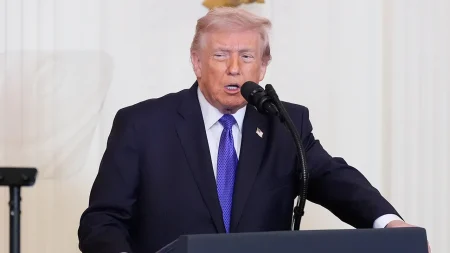
The Trump administration has unveiled a significant reshaping of the National Park Service’s fee-free calendar, introducing President Donald Trump’s birthday as a complimentary entry day while removing several established civil rights-related observances. This shift represents more than a routine presidential adjustment to the calendar—it signals a fundamental change in how Americans can access their national treasures without charge. The 2026 schedule eliminates Martin Luther King Jr. Day and Juneteenth as free-entry days, both of which were included in the 2025 calendar. These changes have sparked criticism from civil rights advocates and Democratic lawmakers who argue that removing days honoring Black Americans’ historical contributions undermines important national commemorations.
In place of these previously established observances, the administration has introduced several historically themed and presidential dates. June 14—both Flag Day and President Trump’s birthday—becomes a fee-free day for the first time in national park history. Other additions include Constitution Day, the 110th anniversary of the National Park Service, and Theodore Roosevelt’s birthday. The administration is also aligning more free-entry days with major federal holidays, including Presidents’ Day, Memorial Day, and a three-day Independence Day weekend. Veterans Day stands as the only date that remains consistent between the 2025 and 2026 calendars, highlighting the extensive nature of these changes. The removal of National Public Lands Day and the kickoff to National Park Week—both longstanding free-entry occasions—further demonstrates how significantly the calendar is being transformed.
Civil rights leaders have expressed particular concern about the elimination of Martin Luther King Jr. Day from the free-entry calendar. National Parks Conservation Association spokesperson Kristen Brengel noted that MLK Day had become a popular day of service, with community groups utilizing the occasion for volunteer projects throughout the park system. Senator Catherine Cortez Masto (D-Nevada) criticized the changes on social media, emphasizing that the administration “didn’t just add his own birthday to the list, he removed both of these holidays that mark Black Americans’ struggle for civil rights and freedom.” The senator’s comments reflect growing concerns that the revised calendar prioritizes presidential recognition over longstanding civil rights commemorations, potentially sending a problematic message about which historical contributions deserve national celebration through free park access.
Alongside the revised free-day calendar, the Department of the Interior is implementing a comprehensive modernization of the national parks’ access system beginning January 1, 2026. The administration will introduce fully digital America the Beautiful passes that visitors can purchase and display on mobile devices through Recreation.gov. These digital passes—spanning annual, military, senior, fourth-grade, and access categories—will activate instantly and can link to physical cards when needed. The department is also refreshing annual pass designs with new patriotic artwork and implementing updated validation tools and staff training intended to streamline entrance procedures and reduce wait times throughout the park system. Interior Secretary Doug Burgum framed these changes as reflective of President Trump’s commitment to prioritizing American families, stating that “these policies ensure that U.S. taxpayers, who already support the National Park System, continue to enjoy affordable access.”
Perhaps the most substantial change to the national parks’ fee structure is the creation of a two-tiered pricing system that significantly increases costs for international visitors. While the America the Beautiful annual pass will remain $80 for U.S. residents, foreign visitors will pay $250 for the same privileges. Additionally, international visitors without passes will face an extra $100 per-person fee at eleven of the most visited national parks. This approach represents a departure from the traditional fee structure that applied equally to all visitors regardless of nationality. The administration has indicated that revenue generated from these higher international fees will be directed toward facility upgrades, maintenance projects, and enhanced visitor services across the park system—addressing longstanding concerns about the National Park Service’s maintenance backlog.
The broader access changes also include modifications to motorcycle access rules, allowing America the Beautiful passes to cover two motorcycles instead of one—a change that will benefit riding enthusiasts who frequent the parks. This comprehensive overhaul of both the free-entry calendar and the overall fee structure reflects the administration’s distinct approach to managing America’s public lands. While proponents argue these changes will improve the sustainability of the park system while prioritizing access for American taxpayers, critics contend that removing established civil rights observances from the free-entry calendar represents a concerning shift in recognizing diverse contributions to American history. As the January 2026 implementation date approaches, the debate over these changes highlights the increasingly complex relationship between politics, public land management, and how Americans commemorate their shared history through access to natural treasures.