


Trump Offers Condolences for Global Tragedies
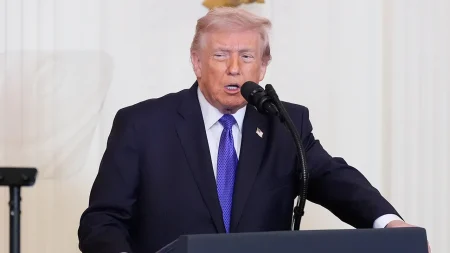
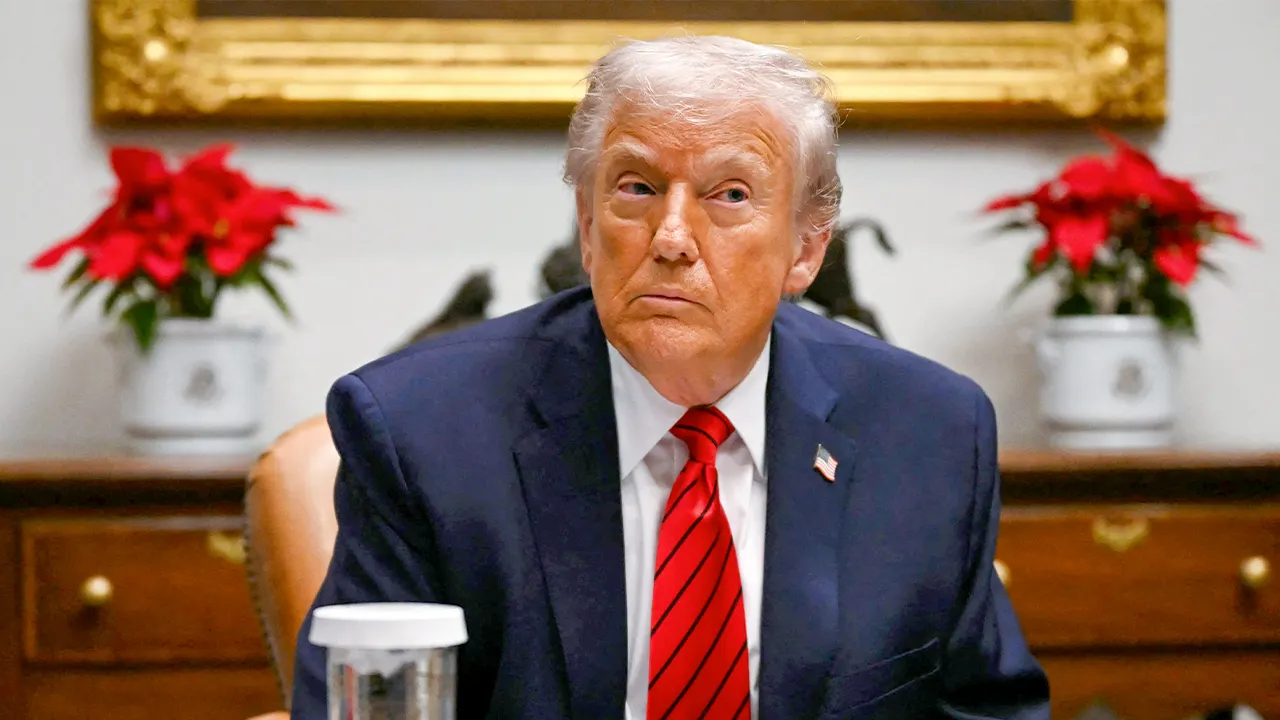
In a somber moment during a Christmas reception at the White House on Sunday, President Donald Trump stepped away from the festive atmosphere to acknowledge several tragic events that had occurred across the world. His remarks demonstrated the difficult balance leaders must strike between celebration and mourning during times of national and international crisis.
“We’re here for a different reason. We’re here to celebrate Christmas,” Trump told the gathered crowd, acknowledging the contrast between the joyful occasion and the gravity of recent events. Yet he felt compelled to address the series of violent attacks that had claimed innocent lives in the preceding days. The President offered heartfelt condolences to the victims of a mass shooting at Brown University that left two dead and nine injured. “Two are no longer with us… two are looking down on us right now from heaven,” he said, personalizing the tragedy with a touch of spiritual sentiment. The shooting, which had shocked the academic community, was just one of several violent incidents that had occurred globally in a short span of time.
Trump also turned his attention to an attack in Australia, where eleven people were killed and twenty-nine wounded in what he described as “an antisemitic attack, obviously.” The incident at Bondi Beach had particularly resonated with the President, who connected it to the ongoing celebration of Hanukkah. “I think today we can very say loudly that we celebrate Hanukkah because there was such a horrible attack that was a purely antisemitic attack,” he remarked. This connection between the Jewish holiday and the tragedy in Australia underscored the President’s concern about rising antisemitism globally. Israeli officials had already issued statements criticizing the Australian government, suggesting there had been “countless warning signs” before the attack, adding an international diplomatic dimension to an already complex situation.
The President’s condolences extended beyond civilian casualties to military losses as well. He spoke gravely about an attack in Syria that had claimed the lives of two American soldiers and a U.S. civilian interpreter, with three additional soldiers wounded. The incident had occurred during what the Pentagon described as a “key leader engagement” that was part of ongoing counter-terrorism operations in the region. Trump’s tone shifted noticeably when addressing this attack, moving from sympathy to a more resolute stance: “I can tell you in Syria there will be a lot of damage done to the people that did it. They got the person, the individual person. But there will be big damage done.” This statement reflected the complicated position of a commander-in-chief—expressing both grief for lost servicemembers while also needing to project strength and determination in the face of attacks on American forces.
The Syrian attack represented yet another challenge in the complex landscape of Middle Eastern politics. Secretary of War Pete Hegseth had confirmed that partner forces had killed the gunman responsible, but questions remained about the broader security situation in Syria. The Pentagon, following standard protocol, was withholding the identities of the fallen soldiers until their families had been properly notified—a somber reminder of the human cost behind military operations and the careful procedures that surround casualties of war. The incident highlighted the continuing American military presence in Syria despite changing regional dynamics, including what the report referred to as “Assad’s fall,” suggesting significant political transitions in the country.
Throughout his remarks, Trump demonstrated the unique position of a president who must simultaneously address domestic tragedies, international terrorism, military casualties, and diplomatic tensions—all while participating in seasonal celebrations. The juxtaposition of a Christmas reception with statements about terrorism, antisemitism, and military losses encapsulated the multifaceted responsibilities of the presidency. In acknowledging these diverse tragedies occurring around the globe, Trump momentarily set aside partisan politics to express a universal sentiment of grief and solidarity with victims of violence, regardless of where they occurred or the circumstances surrounding their deaths. It was a brief window into how national leaders must navigate their ceremonial duties alongside the grim realities that demand their attention and response, even during times traditionally reserved for celebration.