


Trump Criticizes Minnesota Democrats Amid Immigration Enforcement Tensions
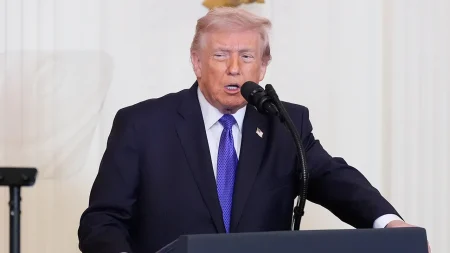
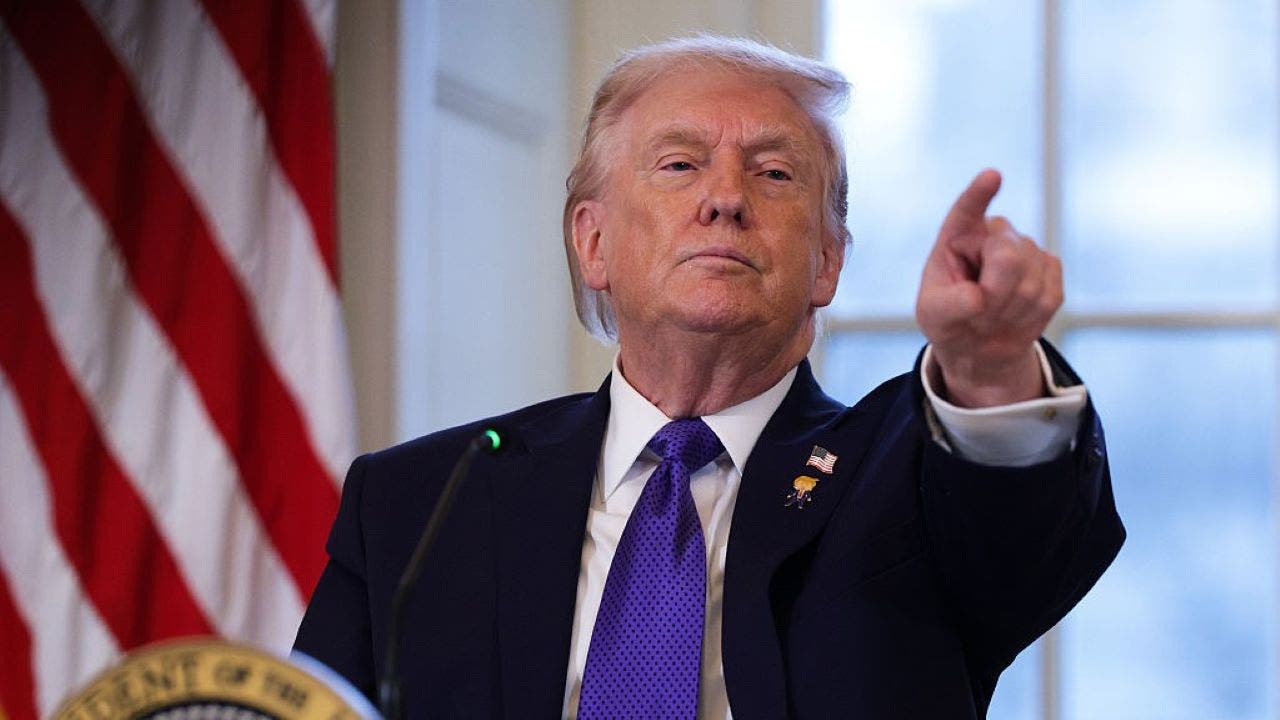
In a heated social media post on his Truth Social platform, former President Donald Trump launched a scathing critique of Minnesota’s Democratic leadership, claiming they are opposing federal immigration enforcement to divert attention from alleged financial mismanagement. Trump specifically targeted Governor Tim Walz and Representative Ilhan Omar, suggesting that their resistance to Immigration and Customs Enforcement (ICE) operations is a smokescreen to hide what he described as an “$18 billion plus fraud” in the state. “ICE is removing some of the most violent criminals in the World from our Country,” Trump wrote, questioning why Minnesota officials would oppose such actions and implying they were prioritizing politics over public safety.
The controversy has escalated in recent weeks as federal immigration agents faced significant protests and harassment while conducting operations in Minneapolis and St. Paul. Trump characterized these protesters as “highly paid professional agitators and anarchists,” framing the opposition as manufactured rather than genuine grassroots concern. The situation has grown increasingly tense, with federal prosecutors now reportedly investigating both Governor Walz and Minneapolis Mayor Jacob Frey for allegedly interfering with law enforcement efforts. U.S. Deputy Attorney General Todd Blanche raised the stakes by suggesting that the anti-ICE rhetoric from these officials was approaching criminal territory, particularly when Frey allegedly encouraged residents to call 911 upon seeing ICE officers in their communities.
The investigation into Minnesota’s Democratic leadership marks another flashpoint in the already contentious national debate over immigration enforcement policies. Blanche emphasized that “no one is above the law,” signaling the administration’s determination to pursue what they view as obstruction of federal law enforcement duties. The implications of such an investigation are significant, potentially setting precedents for how state and local officials can respond to federal immigration operations in their jurisdictions. The conflict highlights the deep divisions between federal immigration priorities and the sanctuary-style policies that some progressive cities and states have implemented to protect immigrant communities.
Governor Walz responded defiantly to the federal investigation, characterizing it as political retribution and part of a broader pattern of “weaponizing the justice system against your opponents.” In his social media response, Walz connected his situation to other Democrats who have faced scrutiny from the Trump administration, including Elissa Slotkin, Jerome Powell, and Mark Kelly. Walz also referenced the shooting of Renee Good by a federal agent, suggesting a double standard in who faces investigation. His response frames the conflict not as a matter of law enforcement but as a political attack designed to silence opposition to federal immigration policies.
Mayor Frey echoed similar sentiments in his public response, declaring that he “will not be intimidated” by what he described as “an obvious attempt to intimidate me for standing up for Minneapolis, local law enforcement, and residents.” Frey’s statement positions him as a defender of his city against what he characterized as “chaos and danger” brought by the federal administration’s immigration enforcement tactics. This framing presents local officials not as obstructionists but as protectors of community welfare and safety, highlighting the fundamentally different perspectives on what constitutes public safety when it comes to immigration enforcement.
The standoff in Minnesota exemplifies the broader national tensions around immigration policy and enforcement. As federal agents attempt to carry out deportation operations, local resistance has grown more organized and vocal. The Minnesota National Guard has reportedly been placed on standby to support law enforcement as protests have turned violent in some instances. This escalation demonstrates how immigration enforcement has become not just a policy disagreement but a physical confrontation between federal authorities and local communities. As both sides dig in, the conflict raises profound questions about federalism, local autonomy, and how immigration enforcement should be conducted in a deeply divided country where communities and their elected officials may fundamentally oppose federal priorities.