


Border Czar Tom Homan Confronts Hecklers at El Paso University Event
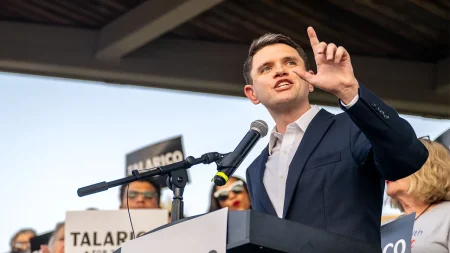
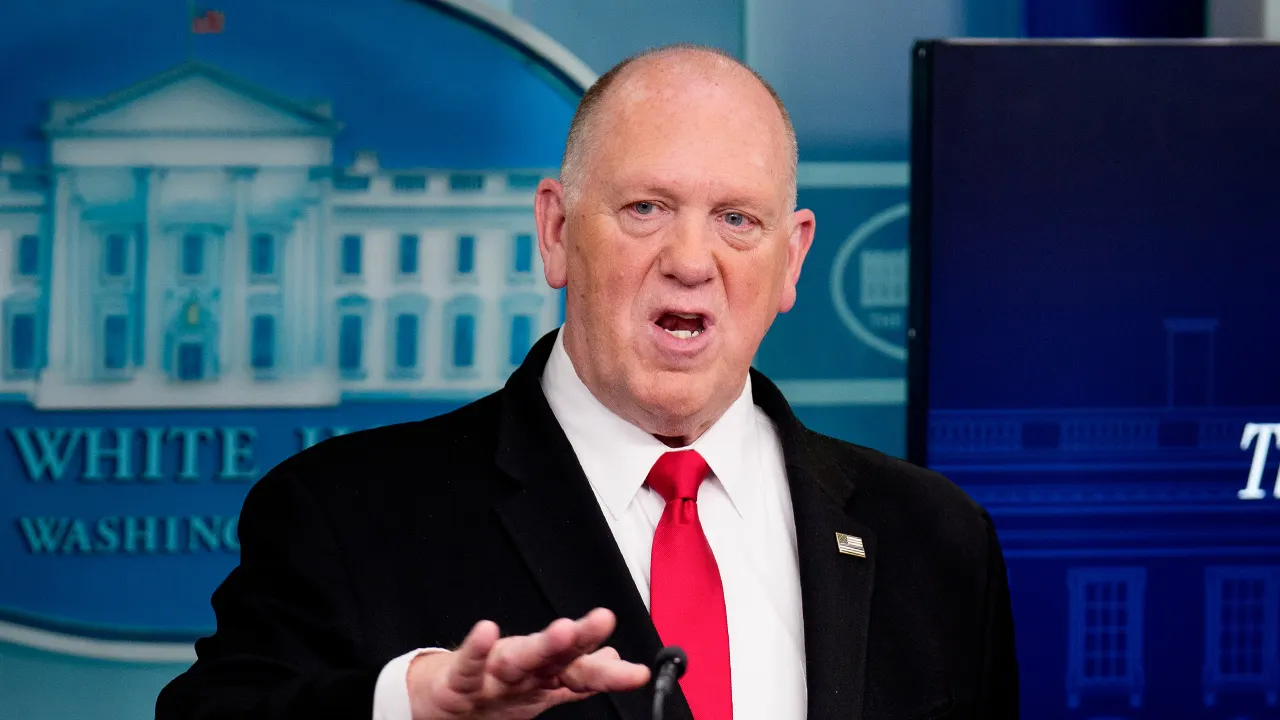
In a heated exchange that highlights America’s deeply polarized immigration debate, White House Border Czar Tom Homan found himself at the center of controversy during a recent Turning Point USA event at the University of Texas at El Paso. The former Immigration and Customs Enforcement (ICE) director responded forcefully when an audience member labeled him a “racist” and “traitor” during his speech about border enforcement operations. “Call me what you want, I don’t care,” Homan fired back, challenging his critic to “grow a backbone, put a Kevlar vest and a gun on your hip and go secure this border.” The confrontation underscores the emotionally charged atmosphere surrounding immigration policy discussions, especially in border communities directly affected by these policies.
The tension escalated during the question-and-answer session when what appeared to be the same heckler made a disturbing connection between Homan’s rhetoric and the 2019 El Paso Walmart mass shooting. The audience member alleged that Patrick Crusius, the perpetrator who killed 23 people and wounded 22 others, was influenced by the “Great Replacement Theory” – a far-right ideology suggesting a deliberate plot to replace white populations with non-white immigrants. The protester claimed this theory had become “a mainstream conservative narrative” and implied Homan’s statements contributed to such thinking. The accusation represents one of the most serious charges that can be leveled at public officials – that their rhetoric might inspire violence – and highlights how immigration discussions often extend beyond policy disagreements into questions of moral responsibility.
Homan defended his position, clarifying that his criticism focused on what he views as intentional policy failures: “To be honest, what I said was the open border was an action, was a mess, and it was by design.” While Homan has previously suggested the Biden administration deliberately left the southern border unsecured to create new Democratic voters, he acknowledged in a congressional hearing that he lacks concrete evidence for this claim. This exchange illustrates the complex interplay between legitimate policy critiques and more controversial theories about political motivations that often characterize immigration debates. When officials make claims about deliberate border mismanagement, it raises questions about whether such rhetoric, even without supporting evidence, might contribute to extremist thinking.
The El Paso community remains deeply affected by the 2019 Walmart shooting, making the connection raised by the protester particularly sensitive in this setting. Crusius, who drove approximately 650 miles from Allen, Texas, specifically to target the Hispanic community in El Paso, left behind a manifesto with explicitly white nationalist and anti-immigrant themes, including references to the Great Replacement Theory. Earlier this year, Crusius received life imprisonment without parole after pleading guilty to state charges related to the shooting, following his previous guilty plea to 90 federal murder and hate crime charges in 2023, resulting in 90 consecutive life sentences. The tragedy continues to cast a long shadow over discussions about immigration rhetoric and its potential consequences.
The confrontation at UTEP exemplifies how immigration has become one of America’s most divisive political issues, with fundamental disagreements about both facts and values. Border communities like El Paso experience these tensions firsthand, living at the intersection of policy decisions made in Washington and their real-world impacts. Officials like Homan defend strict enforcement as necessary for national security and sovereignty, while critics view such approaches as fundamentally dehumanizing and potentially dangerous in their rhetoric. These disagreements extend beyond mere policy preferences into profoundly different worldviews about America’s identity and future, making productive dialogue extremely challenging.
As Americans continue grappling with immigration challenges, incidents like the one at UTEP reveal the urgent need for more thoughtful engagement across political divides. The exchange between Homan and his critics demonstrates how quickly discussions about border security can escalate into accusations of racism or enabling violence, creating an atmosphere where constructive policy debates become nearly impossible. While the Biden administration and its critics continue battling over border policies, communities like El Paso bear the emotional weight of both the ongoing immigration situation and the traumatic memory of violence that exploited these divisions. Moving forward requires acknowledging legitimate security concerns while rejecting dehumanizing rhetoric and conspiracy theories that can inflame tensions and, in extreme cases, contribute to a climate where violence becomes thinkable.