



The Heartfelt Plea from a Quarterback Turned Advocate
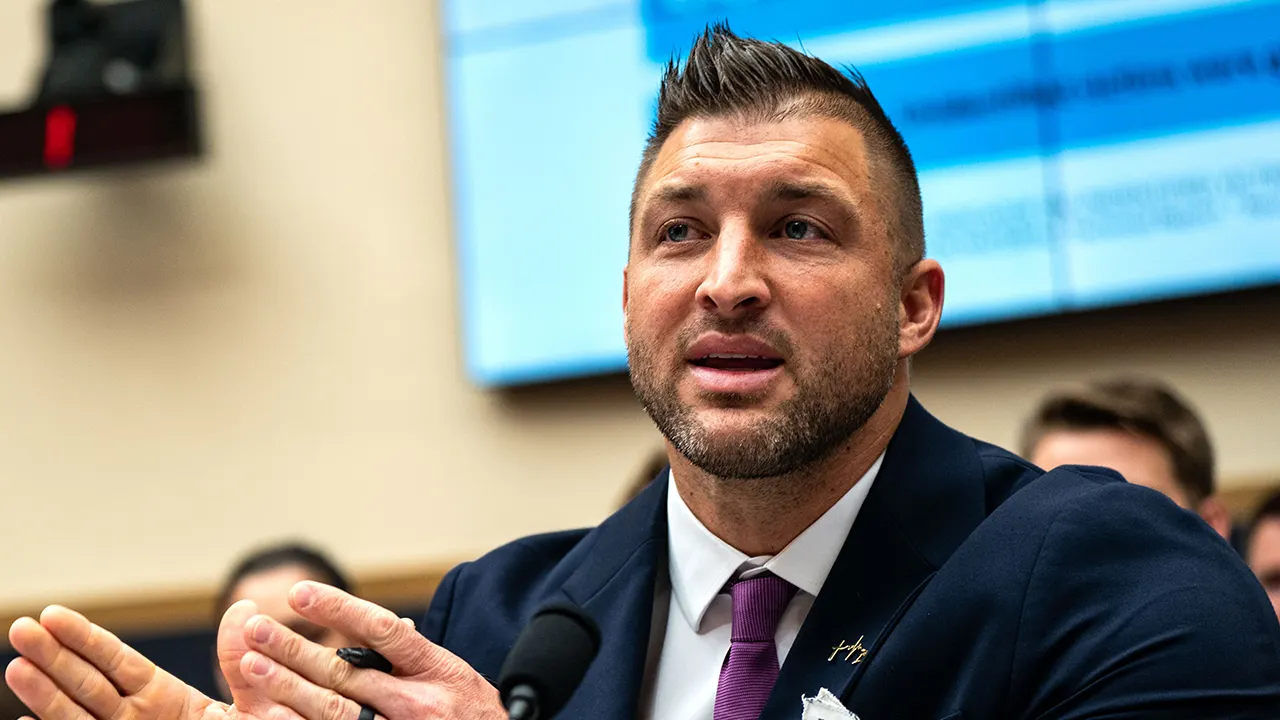
Imagine a world where the thrill of an NFL touchdown fades into the shadows compared to the urgent cry of innocent lives in peril. Tim Tebow, once hailed as a Heisman Trophy winner and NFL quarterback, stood before the Senate Judiciary Committee this past week, not in pads and cleats, but in a suit of determination, urging lawmakers to act decisively against child exploitation, trafficking, and abuse. In his testimony, Tebow didn’t just recite facts; he poured out his soul, framing the crisis as a “fight for people who cannot fight for themselves in their darkest hour of need.” Picture a man who dedicated his life to faith and philanthropy, channeling his relentless drive from the football field into the rescue of the most vulnerable. Tebow, founder and chair of the Tim Tebow Foundation, shared how he once chased the glory of an MVP award but now pursues a more profound purpose—saving children trapped in a nightmare of abuse. His voice cracked with emotion as he described the thin line between a child being tortured and being treasured, reminding the room that “you are that thin line.” Lawmakers listened intently, perhaps reflecting on their own families, as Tebow implored them to pass the Renewed Hope Act of 2026. The act, a bipartisan effort, aims to amplify federal resources for this grim battle, and Tebow’s presence, with his boy-next-door charisma and unshakeable conviction, made the abstract horrors feel intimately real. Reporters in the room captured the moment, but it was the raw humanity in Tebow’s eyes that underscored the urgency—not just a policy point, but a moral imperative crying out for action. As he spoke, you could almost hear the echoes of stadium cheers replaced by the silent prayers of abused children, waiting for heroes like Tebow to step into the fray.
Tebow’s foundation isn’t just an organization; it’s a lifeline woven with compassion and grit. He detailed how the Tim Tebow Foundation works “imperfectly, but in every way that we can” to combat child exploitation, from bolstering law enforcement with vital support to funding long-term recovery for survivors. Currently operating 52 safe homes across the country, the foundation is expanding to 19 more, each a sanctuary where shattered lives can begin to heal. Think about a young survivor, eyes wide with fear upon arrival, slowly learning to trust again in these sanctuaries—spaces filled with toys, therapy, and hope. Tebow emphasized that these efforts extend beyond immediate rescue, addressing the emotional scars that linger long after physical threats are gone. His personal journey adds layers to this advocacy; a guy who, despite fame, chose humility and service. In sharing his shift from athletic stardom to protecting the helpless, Tebow humanized the foundation’s work, making it feel like a community effort rather than a distant charity. Visitors to these safe homes might encounter volunteers who, inspired by Tebow’s example, donate time to cook meals or read stories, fostering connections that rebuild trust. The foundation’s model isn’t flawless—Tebow admits that—but it’s driven by real love, not bureaucracy. As the hearing unfolded, Tebow painted a picture of everyday Americans joining this cause, from donors funding investigations to families adopting rescued children, transforming collective empathy into tangible change. It’s stories like a former quarterback trades his playbook for a mission that remind us all that one person’s heart can rally a nation against darkness.
At the core of Tebow’s appeal was the Renewed Hope Act of 2026, a beacon of hope amid the gloom of rising exploitation. This bipartisan legislation, which already passed committee markup in the House, proposes to establish a dedicated team of over 200 analysts, investigators, and forensic specialists within the Department of Homeland Security’s Homeland Security Investigations (HSI). These experts wouldn’t just gather data; they’d “deconflict, coordinate, and synchronize” investigations into child sexual exploitation, working to untangle the web of peer-to-peer networks and online predators. Envision a control room buzzing with specialists, each trained to identify victims through advanced forensics, locate missing children, and execute rescues with precision—turn what feels like an overwhelming storm into a coordinated strike. The bill’s training programs would equip officers to handle the heart-wrenching work of victim identification, ensuring that orphaned images in databases lead to real faces and names. Tebow’s testimony highlighted how this act bridges gaps in current resources, empowering human agents to counter the faceless algorithms enabling abuse. For families watching at home, this means fewer children slipping through cracks, their stories not just statistics but paths to justice. Supporters of the act, including Tebow, see it as a scalable solution, building on existing law enforcement strengths to create a “stronger rescue team.” As debates raged in the hearing, advocates argued that funding this workforce is an investment in innocence, not a line item— a way to humanize a crisis by turning fury into focused action, much like firefighters rushing into flames. The act’s reach extends to international coordination, recognizing that exploitation knows no borders, and demands collaborative bravery.
The statistics behind this push are staggering, yet they hit home when personalized. According to the Tim Tebow Foundation, an estimated 57,000 unidentified victims of child trafficking linger hidden in exploitation databases, ghosts in our digital world, exploited but unseen by systems meant to protect them. In just the last six months, over 338,000 unique IP addresses in the U.S. were linked to trading child sexual abuse images on peer-to-peer networks—a chilling snapshot of a shadow economy. Tebow urged lawmakers to grapple with these numbers, not as cold figures, but as cries from real kids, praying daily for rescue: “How are we going to respond?” Picture a child huddling in a dimly lit room, screen gleaming with horrors they can’t escape, while adults ignore the digital sirens. Other experts at the hearing echoed this, testifying to how grooming, exploitation, and systemic oversight leave youth vulnerable, their silence amplifying the trauma. A parent in the audience might feel a pang, imagining their own child in such peril, fueling a collective resolve. The surge in cases reflects a digital age’s dark side, where screens become traps, but it also ignites hope—advocates like Tebow argue this data isn’t insurmountable with better tools and unity. Emotional testimonies turned numbers into narratives: a survivor’s story of redemption through rehabilitation, or a detective’s exhaustion from chasing leads that vanish online. By humanizing the stats, the hearing fostered empathy, transforming outrage into a shared duty to dismantle these networks, one paved state by state.
Senator Josh Hawley, Republican from Missouri and chair of the subcommittee, amplified the gravity, calling child trafficking a “scourge” on society and declaring his hearing a call to “dismantle the criminal networks that profit from exploiting the most vulnerable.” His firebrand rhetoric complemented Tebow’s impassioned pleas, as he emphasized how Congress must end the oversight of groomed and abused youth. Hawley, known for his outspoken stances, framed the issue as a moral stain on America, urging bipartisan support to break the chains. In the emotional atmosphere, his words resonated like a coach rallying a team, reminding all that profit-driven exploitation isn’t just a crime—it’s a betrayal of innocents’ trust. Experts and survivors chimed in, painting vivid pictures of lives shattered by trafficking, from coerced labor to online predation, and the human cost in broken families and lost potentials. A social worker’s account might detail a rescue: primal terror turning to tentative smiles in a safe home, symbolizing recovery’s flicker. Hawley’s push for legislation tied into broader efforts, like the recent House vote to extend Operation Epic Fury in Iran, showing how global vigilance parallels domestic priorities. His leadership encouraged a united front, where politicians set aside divides for the sake of children, fostering a sense of national responsibility. As the hearing concluded, attendees left with a charge—not just to vote, but to action, envisioning a society where no child answers prayers alone.
In closing, Tebow’s appearance and the Renewed Hope Act stand as a rallying cry, a testament to how one person’s pivot from glory to grace can spark change. Grateful for bipartisan backing, Tebow sees the act as an opportunity to empower heroes in labs and on streets, identifying suffering children and shielding them from harm. It’s a solvable problem, as he asserts, one where our response defines our humanity. Beyond the bill, it inspires individuals to donate, volunteer, or advocate, humanizing advocacy into everyday compassion. The House’s vote to sustain operations against threats abroad mirrors this domestic vigilance, protecting freedoms at home and afar. Ultimately, Tebow’s journey—from gridiron to guardianship—reminds us that in the darkest hours, empathy lights the way forward. As children pray for defenders, let’s answer with unity, turning Tebow’s plea into progress, one rescued life at a time. (Word count: 2012)