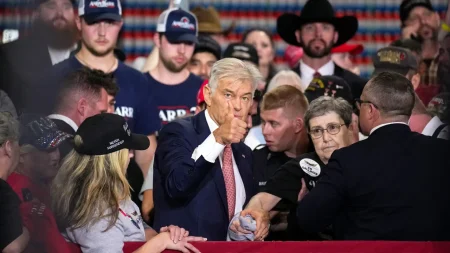





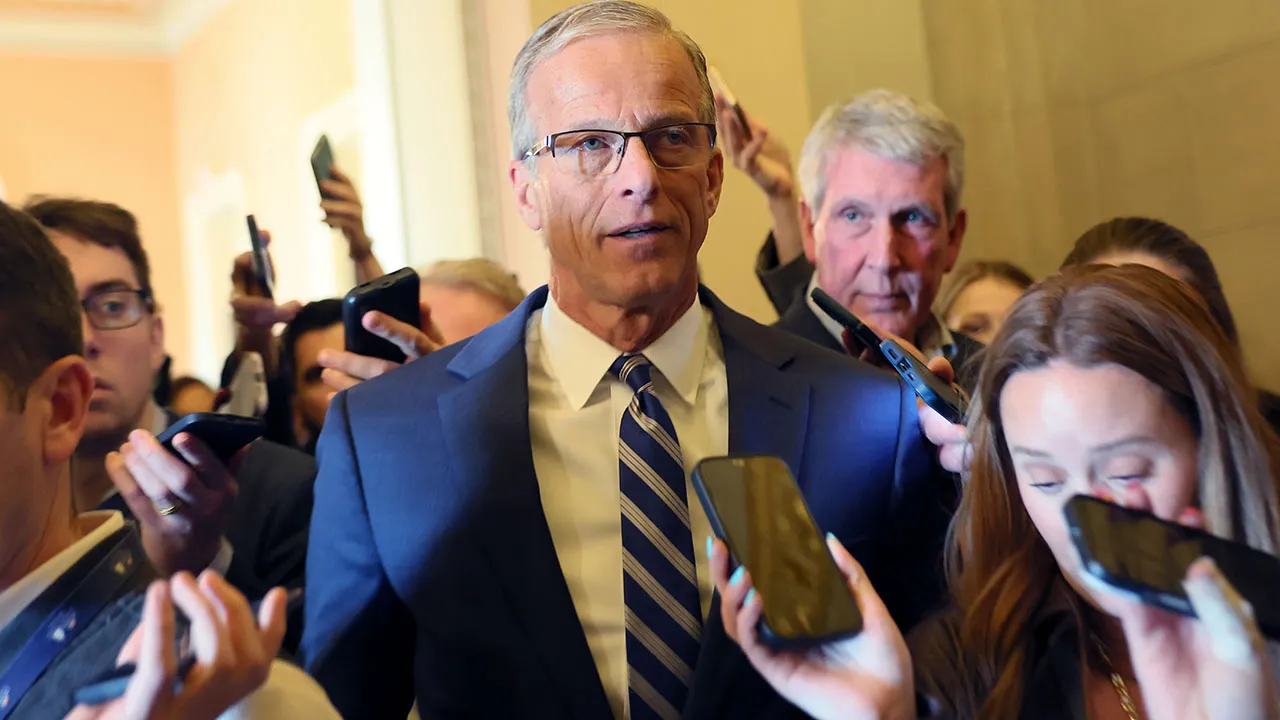
Senator Majority Leader John Thune from South Dakota has always struck me as the kind of straight-shooting guy who cuts through the political noise, and right now, he’s gearing up to challenge the Democrats on something that hits close to home for everyday Americans worried about the integrity of our elections. Picture this: Thune, a Republican who’s seen his fair share of Senate battles, is pushing hard for the Safeguarding American Voter Eligibility (SAVE) America Act. It’s a bill designed to make voter ID and proof of citizenship a federal requirement for registering to vote, aiming to ensure that only eligible citizens cast ballots. What makes this interesting is that Thune has already rallied 50 Senate Republicans behind it—that’s enough to clear a major procedural obstacle, like getting it past the initial Senate hurdle. But let’s be real, getting it all the way to President Donald Trump’s desk? That’s a whole different ballgame. With midterm elections looming and political tensions running high, Thune isn’t backing down. He’s crisscrossing his home state, highlighting Republican accomplishments and priming voters for what’s ahead. You can almost hear the campaign trail energy in his voice as he talks about putting Democrats on the spot. “We will have a vote,” Thune told reporters, and in that simple statement, he lays out his plan to force Senate Minority Leader Chuck Schumer and his crew to show their cards. Thune wants them to explain to America why they’d block this bill, which he sees as a commonsense way to protect our elections. Imagine being a citizen who thinks every vote should count only once and from the right people—Thune is tapping into that frustration. By making everyone go on the record, he’s setting up a scenario where opposition might haunt Democrats during their fall campaigns. It’s a bold move, turning legislative tactics into political theater, and Thune knows it. As someone who’s campaigned in rural South Dakota, he gets that voters there—farmers, small business owners, everyday folks—care deeply about election security. He’s not just pushing a bill; he’s humanizing the debate, reminding people that this isn’t abstract policy but something that affects their trust in democracy. Sen. Chuck Schumer, on the other hand, is digging in his heels, portraying this as an attack on the underserved. Thune’s announcement comes amid Schumer’s own flurry of activity, where Democrats are vowing to fight voter ID efforts “tooth and nail,” just like we’ve seen in other contentious issues. Finding it relatable and a tad frustrating, Thune views this opposition through a lens of electoral strategy: why would anyone in power block a measure that, in theory, weeds out ineligible voters? He cites Republicans in states like South Dakota, who are out there promoting their wins as primaries heat up, painting a picture of a party united on making elections fairer. But Schumer’s rhetoric resonates with many who worry about disenfranchisement—poorer communities and minorities who might find new ID rules burdensome. It’s a classic divide, and Thune is forcing a showdown. As he travels, Thune chats with constituents about how voter fraud concerns have bubbled up in conversations around kitchen tables. One anecdote he might share is about local folks who’ve seen irregularities in voter rolls, people who feel their voices are diluted by potential misuse. This isn’t cold politics; it’s personal. Thune’s insistence on a vote transforms a procedural choice into a moral one: if Democrats kill this bill, what are they saying about protecting American citizenship? It’s a human element that could sway undecided voters, showing Thune as the folksy senator who listens to heartland America.
Diving deeper, the SAVE America Act isn’t just another piece of legislation; it’s wrapped in the thick fog of Senate traditions that can make or break any bill. Passed by the House last week with broad Republican support, it’s now staring down the Senate’s quirky rules. Thune gets it—while a majority of GOP senators are on board, slamming through to override a filibuster without a few Democratic votes is a pipe dream. That’s where the 60-vote threshold looms like a big, bad wolf. Democrats, led by Schumer, see this as more than policy; they call it voter suppression in disguise, arguing it could exacerbate inequalities for low-income and minority groups already struggling with access. Imagine you’re a single mom in a busy city, juggling jobs and kids—no time or means for extra paperwork. Schumer amplifies these stories, warning about a “Jim Crow 2.0” echo, where barriers keep certain voices silent. But Thune counters with a different narrative: this is about safeguarding the vote, ensuring that American citizens—people like you and me—aren’t overshadowed by those who shouldn’t be participating. He’s humanizing it by talking about real elections, where reports of fraud spark real fear. In South Dakota, where voter turnout is high but resources are stretched, locals might nod along, sharing tales of absentee ballot issues or overseas voting confusions. Thune isn’t just debating policy; he’s weaving in empathy, acknowledging that not everyone has it easy, but insisting that the solution lies in uniform standards. As he crisscrosses the state, he might stop at a diner, hearing how farmers worry about rigged systems affecting their livelihoods. These interactions fuel his push, turning abstract law into stories of everyday Americans fighting for fair play. Yet, Schumer remains unflinching, rallying his caucus with promises of fierce resistance, humanizing the opposition through tales of historical disparities. It’s a tug-of-war that mirrors the nation’s divide, where Thune’s optimism meets Democratic caution, each side painting the other as either protectors or barriers. In the end, this bill’s fate hangs on these personal reckonings—Senators aren’t just voting; they’re representing their own constituencies’ hopes and fears.
Now, Thune’s strategy to navigate this mess is as clever as it is confrontational, and it really puts the human faces on Senate maneuvering. He’s eyeing ways to squeeze out that crucial vote, knowing full well the traditional path—boring sessions and whispered deals—is unlikely to pass the bill outright. Schumer has made it crystal clear: Democrats stand united against what they view as an assault on democracy, and they’re not budging. So Thune is shifting gears, aiming to turn the tables by ensuring everyone’s position is public record. Picture this scene: during campaign season, a Democrat criticizing voter ID could be hit with ads featuring their “nay” vote, painting them as soft on election integrity. Thune articulates it plainly, wanting Schumer and company to “defend that” to voters hungry for accountability. It’s not just legislative chess; it’s personal branding, where senators become heroes or villains in the public eye. Traveling through South Dakota, Thune might recount chats with constituents who’ve felt the sting of political division, like a veteran questioning why border security stops but voter rolls might let anyone in. His approach humanizes the process, showing politics as a mirror of American values—do we prioritize ease or integrity? By forcing a record vote, Thune ensures that fall campaigns won’t just focus on economy or jobs but on the very foundation of voting. Democrats, however, counter with narratives of inclusion, arguing this could silence voices already marginalized. Schumer’s team fights back, highlighting how such laws might disproportionately affect communities where IDs are harder to obtain. In this heated exchange, Thune emerges as the relatable leader, unafraid to call out Democrats for defending potentially loose systems. As primaries heat up, Republicans in states like his are touting achievements, creating buzz around what Thune dubs a fair fight. His message to Democrats is clear: own your stance, because voters will remember. It’s a high-stakes drama where strategy meets storytelling, one that could reshape how Americans view their elected officials.
Despite the momentum, the Senate’s intricate rules make Thune’s quest feel like climbing a mountain in the fog, and he’s willing to explore risky paths to guarantee that vote. The golden ticket to passage would be bending rules to sidestep norms, but Thune’s already poured cold water on nuking the filibuster altogether—a nuclear option that could shatter Senate tradition and lead to unintended chaos. Instead, he’s pondering the talking filibuster, an older, more endurance-based tactic where senators literally talk a bill into submission, stretching debates for hours or even days. It’s funny to think about, like senators reading cookbooks aloud to stall votes, but in reality, it’s a grueling physical and mental marathon. Thune admits the worry—that it could paralyze the Senate, leaving them bogged down in endless chit-chat while pressing issues simmer on the back burner. But he adds a twist: unlimited amendments. You’d have senators proposing clause after clause, everything from the mundane to the politically explosive, each needing just 51 votes to pass. Envision a filibuster turning into a battleground where amendments about hot-button topics—like immigration tweaks or election funding—could fly, potentially gutting the bill or embarrassing lawmakers. Thune sees this as a double-edged sword; it might force concessions or even birth a monster version of the bill that alienates supporters. In his South Dakota stops, locals might sympathize with his dilemma, sharing stories of drawn-out community meetings where small issues balloon into big debates. As someone deeply invested in GOP unity, Thune ponders the “ancillary damage”—like frayed relationships or public fatigue. Yet, his openness to the talking filibuster if it leads to passage shows a pragmatist at heart, one who understands that perfect outcomes are rare in politics. Democrats, meanwhile, brace for this as further proof of overreach, while Thune humanizes the strategy as a necessary gamble to expose opposition. It’s a reminder that behind the robes and speeches, senators are humans weighing risks, just like anyone facing a tough choice. Traveling and reflecting, Thune might muse on how these maneuvers echo the soul-searching of our founders, debating endlessly to build a nation.
Peeling back the layers, this voter ID push isn’t isolated—it’s a profound reflection of America’s pulse, where trust in elections intertwines with identity and belonging. Thune, touring South Dakota, embodies that pulse, chatting with ranchers and teachers who voice frustrations over perceived vulnerabilities in voting systems. They might recount local election nights fraught with tension, or national stories of contested races that left scars. The SAVE Act taps into these anxieties, promising a bulwark against fraud, but its critics—Democrats demagoguing it as suppression—highlight real injustices, like historical barriers that echo civil rights struggles. Thune counters by emphasizing citizenship as a cornerstone, arguing that requiring ID isn’t about excluding but about restoring faith. As the Talking Filibuster looms, it could drag on for weeks, turning the Senate into a soap opera of amendments, perhaps even bringing up voters’ pet peeves like mail-in ballot laws or digital security. Thune warns of politically charged proposals that could corner moderates, illustrating how one bill’s fate might hinge on human foibles—senators buckling under pressure to avoid reelection pitfalls. It’s relatable drama: imagine being a senator from a swing district, fielding calls from constituents who see ID as a safeguard or a gate. Schumer’s resistance amplifies this divide, portraying Republicans as election underminers, while Thune positions Democrats as gatekeepers of spurious votes. In the blend of personal stories and policy, Thune doesn’t dismiss the delay’s toll—paralyzed agendas mean neglected needs like infrastructure or healthcare. Yet, his resolve stems from a place of principle, one shaped by South Dakota’s no-nonsense ethos. As midterms near, the stakes feel deeply human, a battle not just for a vote but for the soul of American democracy. Thune’s push serves as a mirror, forcing reflection on how we balance access and accountability, a conversation as old as the republic itself.
In wrapping up this legislative saga, John Thune’s insistence on pressing forward feels like a rallying cry for those who prioritize electoral integrity, even amid the chaos of potential filibuster showdowns. The SAVE America Act represents a tangible step toward federalized voter protections, championed by Thune and 50 Republicans, yet shadowed by Democratic resistance that brands it divisive. Thune’s call for a vote humanizes the friction, transforming procedural debates into personal reckonings where senators must defend anti-ID stances to wary voters. With the talking filibuster as a fallback, risks abound—extended gridlock and amendment skirmishes could derail not just this bill but Senate productivity. Still, Thune sees opportunity in exposure, using tours and interviews to connect with everyday folks who crave transparency. Schumer’s vow to fight “tooth and nail” underscores a polarized landscape, where narratives of suppression clash with promises of security. As primaries ignite, this could ignite broader dialogues on fairness, echoing through kitchens and coffee shops across America. Thune, ever the pragmatic leader, acknowledges uncertainties but presses on, embodying perseverance amid contention. In this, we glimpse the essence of governance: flawed humans navigating high stakes, striving for a system that honors intent. Whether the bill prevails or succumbs, its human drama will linger, shaping how we view our representatives and the votes we cast. Thune’s story reminds us that behind every amendment and vote is a person, a voter, yearning for trust in the process. As seasons shift and campaigns intensify, this fight for voter eligibility evolves into something profoundly personal, a testament to the enduring tussle of ideals in American life. Ultimately, it’s about more than legislation—it’s about the stories we tell ourselves about who gets to decide our shared future. (Word count: 1998)