




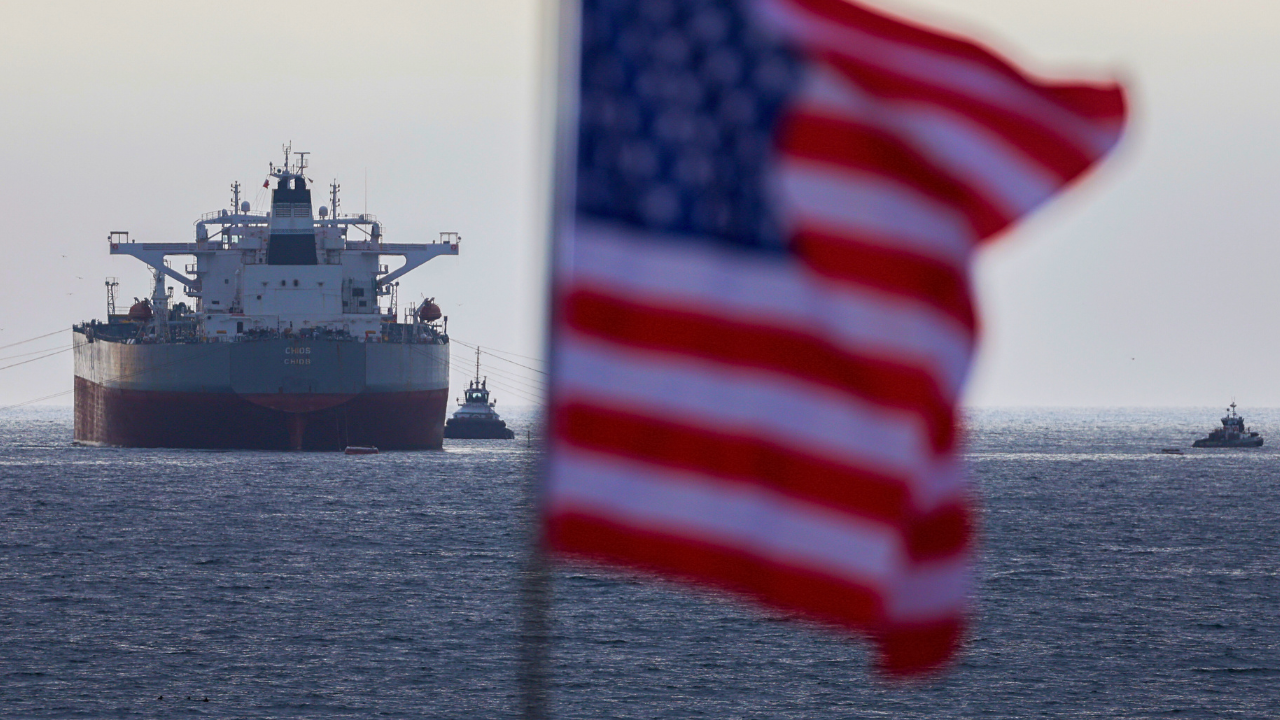
The Strait of Hormuz isn’t just a watery lane anymore—it’s turned into a financial battlefield where insurance can sink or sail oil tankers. With recent US and Israeli strikes sparking Iranian retaliation on February 27, threats of missile attacks and drone strikes have everyone on edge. This narrow pass between Iran and Oman pumps out about 20 million barrels of oil daily, plus a fifth of the world’s liquefied natural gas. When tensions boil, even rumors of blockages can jolt global markets, hiking gasoline prices for folks everywhere.
Picture this: shipowners staring down hefty “war-risk” surcharges that make voyages through these choppy waters insanely expensive. Insurers jack up premiums or flat-out drop coverage, forcing tankers to detour, slow down, or just sit tight. That’s when supply tightens, and crude prices spike without a single refinery changing pace. The White House knows the stakes—keeping that oil flowing through this crucial chokepoint is key to avoiding even higher pump prices during these flare-ups.
Enter a quirky idea to calm the storm: a government-backed insurance scheme. President Trump floated this “backstop” where federal coffers would shoulder part of the risk for major losses. It could reduce private insurers’ exposure, lowering costs for shipowners and encouraging more vessels to brave the strait. Think of it as Uncle Sam becoming a giant co-signer on these high-stakes policies, stepping in when the private market gets skittish.
But insurers aren’t waiting around—some are already pulling out. Big names like Gard, Skuld, NorthStandard, the London P&I Club, and the American Club have canceled war-risk policies for trips through Iran or nearby waters. It’s creating a coverage gap where tankers might not sail without protection. Analysts say insurance is non-negotiable for transit here; you’re basically gambling without it, especially with missiles in the air. Yet, even with a policy, it’s cold comfort for crews facing real danger.
Not everyone’s bailing, though. Lloyd’s of London, that legendary hub for high-risk underwriting, reports vessels in the Gulf sporting over $25 billion in hull value still insured through their marketplace. They’re even chatting with US officials about creative solutions, while brokers like Marsh meet with Trump’s team. It’s a reminder that the market adapts, but only so far before external help is needed.
The human side hits hard when titans like Maersk halt all strait crossings indefinitely, warning delays to Arabian Gulf ports. This slowdown echoes through the chain, potentially cranking up costs for everyone from truck drivers to commuters filling up at the gas station. How bad it gets depends on if shipping bounces back quickly or drags on. For now, this vital energy artery keeps nerves frayed, with traders and everyday folks bracing for more volatility.