






President Donald Trump’s latest plan to tackle soaring beef prices involves opening the floodgates to temporary imports from Argentina, promising some immediate relief for consumers groaning under the strain. At its core, the initiative aims to pump more affordable beef into the market, potentially driving down costs at grocery stores across America. But if you talk to the folks who actually raise the cattle—the hardworking ranchers whose livelihoods depend on turning grass into steaks—it’s clear this move only scratches the surface of a deeper crisis. These aren’t just economic numbers; they’re stories of families who’ve poured generations into the land, only to watch powerful corporations tighten the screws. As Will Harris, a fourth-generation cattleman from Bluffton, Georgia, puts it plainly, “Meat packers have created a system where they win no matter what—at the cost of everyone else.” It’s a sentiment that echoes across ranches from the rolling hills of the South to the dusty plains of the West, where ranchers are battling not just market forces, but a rigged game that leaves them scrambling for scraps while consumers pay through the nose. Harris’s operation at White Oak Pastures is a testament to that struggle—it’s a full-circle farm where every step, from nurturing calves to butchering cuts, happens on-site. Watching his profits dwindle year after year, like a slow leak in an old bucket, he sees Trump’s import plan as a short-term band-aid, but nothing that fixes the elephant in the room: the unyielding grip of massive corporations that dictate prices at every turn.
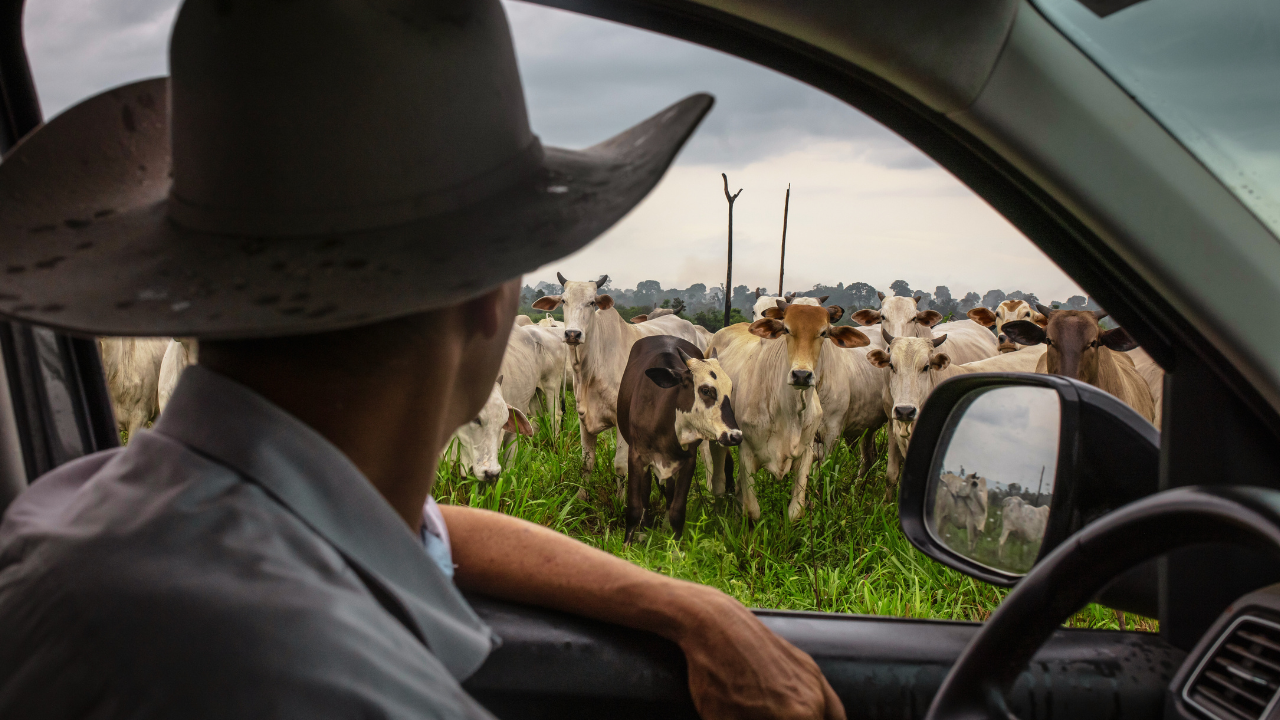
Imagine a morning on Harris’s farm, where the sun rises over pastures dotted with resilient cattle, grazed ethically on open fields without the shortcuts of big agribusiness. The dew hangs heavy on the grass as Harris, a man whose hands tell tales of decades spent in the dirt, checks on his herd. He’s not just a businessman; he’s a steward of tradition, planning to pass the torch to his kids someday—a legacy built on sweat, not spreadsheets. Yet, even with this dedication, Harris can’t escape the reality that beef prices aren’t set in fair auctions but in boardrooms far removed from the fields. The packers, those giants who butcher and distribute the vast majority of America’s beef, play a game where they claim the lion’s share of margins. “They pay ranchers peanuts for our cattle, then sell the meat at premium prices in stores,” Harris explains during a candid chat over coffee with a digital reporter, his voice carrying the weight of frustration. It’s not bitterness for bitterness’s sake; it’s the heartache of watching a way of life erode. Droughts have parched the land, feed costs have skyrocketed like runaway inflation, and an aging generation of ranchers—many in their 70s and 80s—aren’t being replaced fast enough by young blood eager for the grind. America’s cattle herd has shriveled to its smallest size in 70 years, a crisis that demands more than imported fixes. Harris dreams of a transparent system where consumers know the true cost, from pasture to plate, and where American ranchers aren’t undercut by global competitors. Without rebuilding domestic herds, he warns, we’re just kicking the can down the road, trading short-term savings for long-term dependency on foreign beef.
At the heart of this tangled web are the “Big Four” meat packers—Tyson, JBS, Cargill, and National Beef—titanic players who control roughly 85% of the grain-fattened cattle processed into your everyday steaks and burgers. Picture them as gatekeepers in a supply chain that’s less about free enterprise and more like a monopoly disguised as the American Dream. These corporations don’t just process meat; they manipulate the flow from ranch to refrigerator, buying cattle low from desperate ranchers and selling high to unwitting shoppers. When cheap Argentine beef floods in, it doesn’t just lower prices—it widens the packers’ profits, allowing them to pay even less to domestic producers while marking up the imported stuff. Harris isn’t alone in this view; it’s a chorus from across cattle country, where family-owned operations like his are being squeezed out by economies of scale that favor the colossal over the community-driven. Think about it: a small rancher might raise a calf for months, buckling under feed bills and veterinary costs, only for a packer to dictate what they’ll pay, often barely covering expenses. This concentration of power has turned the beef industry into a rigged casino, where the house always wins. And with herds at historic lows, the packers have even more leverage, pushing prices up for consumers while ranchers watch their margins vanish like mist in the morning sun. Harris’s full-spectrum approach—raising, processing, and marketing his own beef—gives him a front-row seat to this imbalance, a philosophy born from watching corporate giants devour small competitors. It’s a system that rewards bulk over quality, scaling over soul, and leaves American ranchers feeling like footnotes in their own industry’s history.
Out in the sprawling ranches of Texas, where cattle roam under vast skies and pickup trucks kick up red dust, rancher Cole Bolton echoes these concerns with the grit of someone who’s seen it all. Owner of K&C Cattle Company, Bolton is a Lone Star State embodiment of resilience, his voice steady as he recounts decades of thin margins that have chipped away at the concept of a thriving cattle operation. “It’s not just about selling cattle; it’s about surviving in a market where the big four packers dictate the price differential—what they pay us versus what they charge at the store,” he says, pausing to sip from a thermos of black coffee amid his bustling ranch. Bolton’s story is one of enduring hardship: for the past 20 years, ranchers like him have operated on razor-thin profits, balancing acts of hope against relentless challenges. Extreme weather swings, from blistering droughts to unseasonable freezes, have compounded the pain, forcing him to cull herds prematurely or sell at a loss just to keep afloat. Trump’s import plan? Bolton sees it as a welcome breather, a momentary easing of pressure that might stabilize short-term prices. But he, too, stresses it’s no magic cure. Imports are a temporary bridge, not a permanent highway. “We’ve got to fix our own backyard,” he insists, his words carrying the wisdom of generations who’ve weathered market turmoil and unpredictable climate vagaries. Bolton welcomes Trump’s focus on the industry’s woes, a rare spotlight that could spur real reforms, but he knows rebuilding will take time—years, in fact—to replenish the cattle numbers thinned by aging populations, skyrocketing feed costs, and natural disasters that have battered the Midwest and beyond.
Both Harris from Georgia and Bolton from Texas are wary of leaning too heavily on imported beef as a long-term strategy, arguing it undermines the very foundation of American agriculture. “Imports should bridge the gap, not widen the divide between us and our domestic strength,” Harris advocates with a passion rooted in his fourth-generation legacy. A healthy cattle industry means self-sufficiency, fair pricing, and the kind of economic resilience that weatherproofs families against global upheavals. Relying on Argentine cattle might fill shelves today, but it risks flooding markets, depressing local prices further, and stalling herd growth. Consumers bear the brunt, too—higher costs at the register that mask the true fragility of supply chains. Harris pushes for policies that prioritize rebuilding, protecting farmers with transparent markets where origin stories matter as much as calorie counts. Bolton chimes in, urging patience amid the crisis: “Folks, we’ve got to build back our herds. It’s going to take a while, but rushing into永久依赖 on foreign meat won’t solve the shortage—it’ll just prolong the pain.” Their shared message is a call to action for policymakers, urging measures like herd incentive programs, drought relief, and antitrust scrutiny of the packers to level the playing field. It’s about more than economics; it’s about preserving a cornerstone of American identity, where ranches like theirs aren’t relics but thriving engines of food security.
Looking ahead, the road to recovery for America’s beef industry is fraught with obstacles, but it’s not insurmountable—a testament to the enduring spirit of farmers who’ve faced setbacks before. The past five years alone have been a rollercoaster: market volatility from pandemic disruptions, supply chain snarls, and weather events like hurricanes and wildfires that decimated pastures. Bolton recounts personal tales of loss, like the time a unexpected storm wiped out fencing and scattered his herd, costing thousands in repairs and lost productivity. Yet, through it all, ranchers have innovated—adopting regenerative practices to combat drought, diversifying into value-added products like grass-fed beef to command premium prices. Consumer demand for quality, traceable meat is rising, presenting an opportunity to pivot away from commodity-focused packers. Harris envisions a future where transparency reigns, with blockchain technology tracing beef from farm to fork, empowering shoppers to support ethical operations over exploitative ones. Patience is key, they both emphasize; rebuilding herds requires investment in young ranchers, subsidies for feed-affordability, and infrastructure to withstand climate changes growing fiercer by the year. Trump’s import strategy buys time, but true stability hinges on a robust domestic base—resilient, diverse, and accountable. As Bolton put it, “Be patient, America. Our cattle industry has weathered storms worse than this, and with the right support, it will thrive again.” In the end, it’s not just about cheaper steaks; it’s about honoring the hardworking hands that put food on our tables, ensuring that the heartland’s heartbeat continues strong for generations to come.