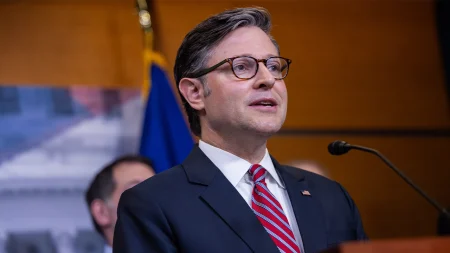





President Donald Trump had a pivotal moment during his State of the Union address when he turned to Congress with a feverish plea. He stressed that passing the Securing America’s Voter Eligibility Act, or SAVE Act for short, was absolutely crucial. The bill aims to require proof of citizenship for voters, stopping what he called “illegal aliens” and other undocumented folks from casting ballots in our precious elections. Picture this: the president standing there, his voice echoing through the chamber, urging lawmakers to make this a reality. It’s not just policy to him—it’s about the heart of American democracy, protecting the sanctity of our votes. House Republicans felt the energy too, pushing hard and eventually scraping through a 218-213 vote to approve the measure last month. You can imagine the tension in the room, colleagues on both sides debating passionately, knowing this could reshape how elections work nationwide. Republicans were triumphant, but the real test lay ahead in the Senate, where things often stall out.
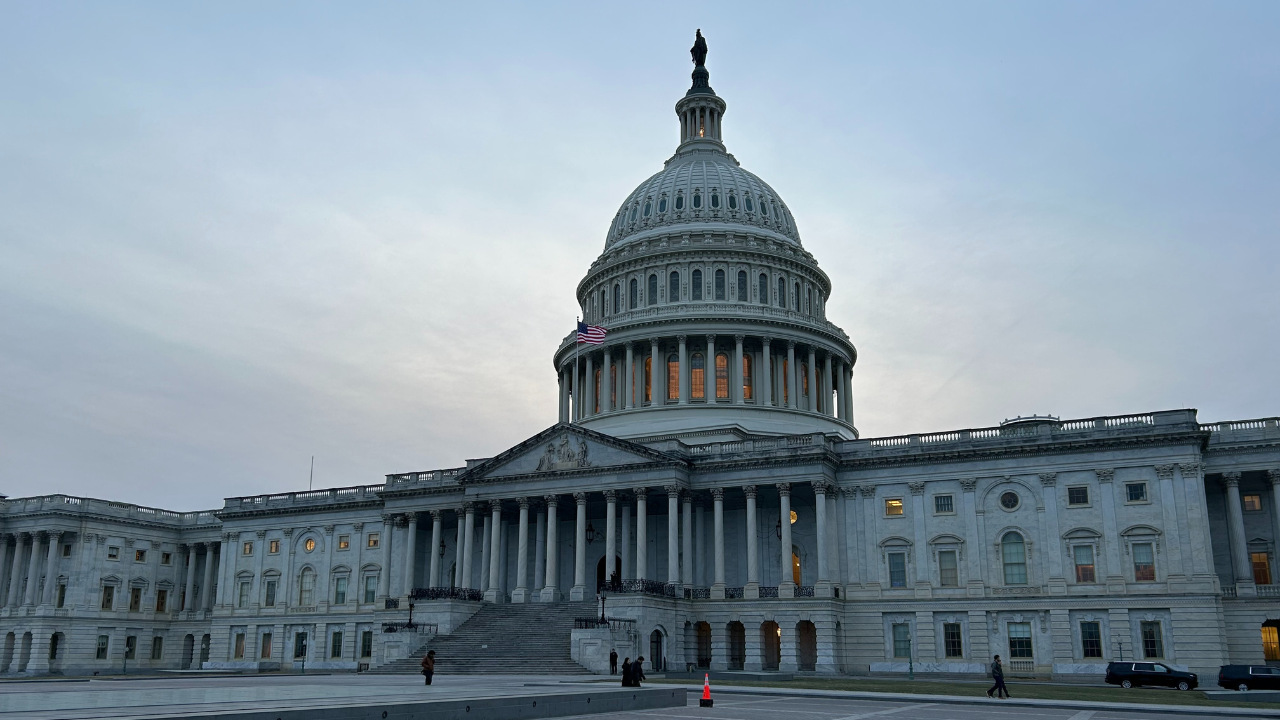
The hurdle? That infamous Senate filibuster, a tool that lets a minority drag their feet and halt progress. Even with House approval, getting 60 votes to invoke cloture—essentially ending debate—seemed daunting. Democrats, watching from the sidelines, were poised to block it without lifting a finger, by not agreeing to certain procedures. Republicans weren’t taking this lying down. President Trump ramped up the pressure after his speech, posting on Truth Social that the SAVE Act was a must-do, with passion, above all else. No direct call to tweak the filibuster rules, mind you, but the implication was clear: do whatever it takes. House Republicans chimed in, calling for drastic changes or new ways to handle the filibuster. Even more boldly, the president vowed he’d block signing any new laws until this one sailed through the Senate. Imagine the drama—the commander-in-chief essentially holding up the entire legislative machine for this one bill. It’s rare for one branch to dictate another’s rules, but emotions were running high, and conservative voices were accusing Senate GOP members of betrayal if they didn’t act aggressively to push this forward.
To understand the filibuster, let’s break it down like we’re chatting over coffee. The Senate’s famous for its unlimited debate, but most filibusters aren’t dramatic all-night speeches like in the movies—instead, it’s often just 41 senators signaling they’re against a bill, forcing the need for 60 votes to move forward. Cloture, voted on to stop this, can take days, slowing everything down. True filibusters, where senators talk non-stop, are rarer. Remember Ted Cruz back in 2013, ranting for over 21 hours to scuttle Obamacare funding? But even that wasn’t a pure slowdown because the Senate had a set procedural vote coming up anyway. Cory Booker held the floor last year for a marathon talk against a Trump nominee, but it only delayed the vote by hours. These are the real talking filibusters people picture, keeping the Senate from voting on critical matters. For the SAVE Act advocates, the plan is counterintuitive: force Democrats into endless chatter. The idea? Make them exhaust themselves, potentially avoiding that 60-vote threshold entirely. Senate rules allow 60 votes for cloture to end debate, but if opponents tire out from talking, the bill could pass on a simple majority vote. It’s clever, but risky—turning the historic tool against its users.
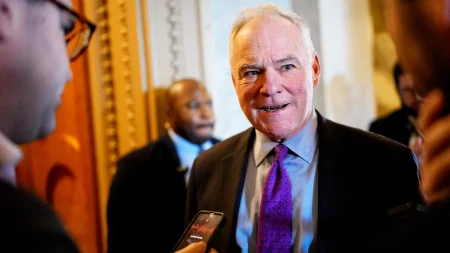
Diving into the rules feels like decoding a puzzle. Senate Rule XIX caps senators at two speeches per question per legislative day—but what’s a “question”? Is it the main bill, an amendment, or a motion? And amendments come in waves: first-degree, second-degree, giving savvy senators up to six chances to speak on the same topic daily. Legislative days aren’t your average 24-hour cycles; they can stretch if the Senate recesses instead of adjourns, letting the same “day” bleed into the next. Senate Majority Leader John Thune, a key player here, controls much of this. If he wants to shut down a talking filibuster, he can push for adjournment, starting fresh. But filibuster backers could object, keeping the session going, turning Tuesdays into extensions of Mondays. It’s all about persistence and blockade. Thune’s power extends to managing amendments too: he can “fill the amendment tree” with benign tweaks, preventing opponents from attaching controversial ones that could derail the bill, like debating past elections or the Epstein files. Republicans fear Democrats have a arsenal of such amendments lined up, ready to embarrass GOP members on the record. And while the talking filibuster avoids cloture, it comes with major downside: no Senate action means no DHS funding, stalling confirmations like Markwayne Mullin’s as Homeland Security Secretary. It’s a high-stakes chess game, where every move risks gridlock.
This isn’t just about procedure; it’s personal for many. President Trump’s fiery stance reflects his deep belief that voter fraud is real and threatening, especially from ineligible voters. Picture his supporters eager for change, while opponents dismiss it as unfounded fear. The president’s ultimatum to Congress wasn’t subtle—he’s putting his stamp on this as his legacy item. House advocates are equally fervent, criticizing Senate leaders for not matching the House’s swift action. They argue Democrats block without accountability, hiding behind signals and delays. Forcing a talking filibuster could expose them, making senators debate openly rather than stealthily. Yet, skeptics like Thune warn it’s complicated. The amendment trap is huge—if no cloture is filed, the Senate’re endlessly debating mods, turning a week-long ordeal into a month. Democrats could load up the tree with poison-pill ideas, diverting focus from the core bill to divisive topics. And practically, who has time for days of chatter when the government needs funding? Delaying DHS is no joke; it could mean shutdowns affecting thousands of workers and vital services. Even confirming Mullin, a Republican ally, gets paused. For Thune, this path feels shaky—risky enough that he might prefer sticking to cloture despite the 60-vote hurdle. It’s a tug-of-war within the party, balancing Trump’s passion against realistic governance.
In the end, the SAVE Act saga boils down to democracy’s soul. Trump’s call to action galvanizes his base, promising cleaner elections free from perceived threats. But it pits Republicans against themselves: aggressive reformers versus cautious pragmatists. Altering the filibuster or engineering a talking showdown could revolutionize Senate operations, stripping away minority power that Democrats now wield. Yet, it might lead to unintended chaos, with bills piling up and political wounds deepening. Despite headwinds, the push continues—lawmakers debating, leaders lobbying, all for a bill that could redefine American voting. Thune’s hesitation highlights the gamble: succeed, and Trump heralds a win; fail, and the GOP fractures further. As advocates fight on, it’s a reminder that in politics, even the most straightforward goals tangle in webs of rules and rivalries. Whether the SAVE Act triumphs or fades depends on resolve, strategy, and a willingness to bend norms for what’s seen as justice. For Americans watching, it’s more than policy—it’s the future of fair representation in our nation. And in the echo of the president’s words, “sacred American elections,” the stakes couldn’t be higher. (Word count: 1985)