





The Venezuela Operation: Congress Questions, Politics Collide
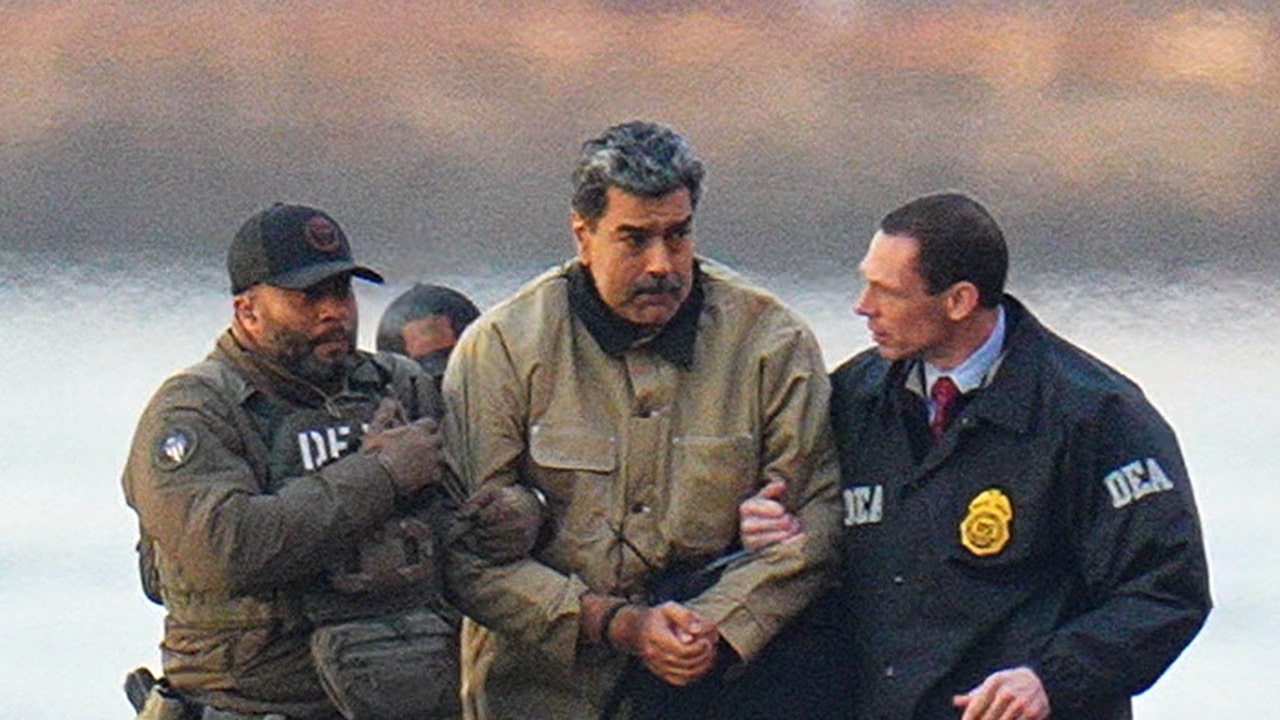
In the wake of the U.S. military mission to extract Venezuelan leader Nicolás Maduro from Caracas, Washington has erupted into a flurry of questions, partisan accusations, and constitutional debates. The operation, executed with surgical precision according to military experts, has become the latest political battlefield between Republicans and Democrats, with implications stretching from constitutional war powers to the upcoming midterm elections. At the heart of the controversy lies a fundamental question: Was Congress properly informed, and more importantly, should Congress have authorized the mission in the first place?
The initial briefing for select congressional leaders took place Monday night at the Capitol, including bipartisan House and Senate leadership, Intelligence Committee members, Armed Services Committee leaders, and Foreign Affairs Committee chairs. Democrats expressed outrage that the White House failed to notify Congress in advance, with many arguing that such an operation required congressional authorization under Article I “war powers.” Senator Mark Warner described it unequivocally as “a military operation,” while Republican Representative Laurel Lee countered that it was merely “the lawful apprehension of a fugitive from justice” rather than an act of war. The characterization of the operation has become intensely political, with most Democrats viewing it as a constitutional violation and most Republicans celebrating it as a triumph of American military capability. Representative Derrick Van Orden, a former Navy SEAL, went so far as to call it “one of the most complicated and exquisite military operations that has ever been conducted in the history of warfare.”
The partisan divide grew even sharper as Democrats accused administration officials of dishonesty in previous briefings. Representative Pat Ryan claimed Secretary of State Marco Rubio “personally, explicitly lied” when lawmakers had questioned whether regime change was being planned. Many Democrats have expressed concern about President Trump’s future intentions, with Senate Minority Leader Chuck Schumer warning that the president was “thinking about Colombia and thinking about Cuba and Greenland,” suggesting a pattern of “reckless policy.” However, not all Democrats aligned with this criticism. Senator John Fetterman broke ranks with his party, calling the operation “surgical and very efficient” and expressing his desire to “celebrate our military.” Such fractures within the Democratic response highlight the complex political calculations at play as lawmakers position themselves ahead of the 2026 midterms.
With the calendar now showing 2026 as a midterm election year, Democrats are attempting to use the Venezuela situation against Republicans, suggesting that the GOP’s focus on military operations in the Caribbean and South America contradicts Trump’s “America First” promises. “The American people did not sign up for this kind of military adventurism when they voted for Donald Trump. They wanted a president focused on America first. Focused on lowering the cost of living,” argued Schumer, seeking to redirect voter attention to domestic economic concerns. This political strategy aims to portray Republicans as distracted by international entanglements while Democrats focus on kitchen-table issues affecting ordinary Americans. Meanwhile, Democrats are exploring parliamentary methods to restrict potential future military maneuvers, with Representative Suhas Subramanyam emphasizing that “to fund these operations, to fund nation-building, they need the approval of Congress.”
The timing of this international crisis adds another layer of complexity, as most funding for the federal government expires in just over three weeks. While work on some spending bills has progressed well, with a vote on a mini-spending package expected later this week, military and foreign operations spending bills remain among nine measures still incomplete. This creates a potential leverage point for lawmakers skeptical of the Venezuela operation, as Congress’s ultimate power is that of the purse. Democrats – and even some Republicans representing battleground districts – could move to limit or cut off funds for operations in Venezuela, effectively forcing the administration’s hand. Representative Mariannette Miller-Meeks, who represents a swing district in Iowa that she won by mere hundreds of votes, voiced her constituents’ concerns: “We don’t want to have troops on the ground. Iowans don’t want that. We do not want nation building. We’ve got enough problems to clear up.”
The constitutional questions will come to a head soon, as Senator Tim Kaine pushes for a vote on a war powers resolution that would mandate Congressional approval for future interventions. A similar resolution last fall garnered support from only two Republican senators – Lisa Murkowski and Rand Paul – along with Democrats. The coming weeks and months will likely feature a series of additional briefings about Venezuela’s future, as lawmakers on both sides of the aisle grapple with fundamental questions about America’s role in the world, presidential authority, and congressional oversight. For many in Congress, the central issue remains whether they were properly briefed before the operation and whether they will have meaningful input on what happens next. With uncertainty about the endgame in Venezuela – as Senator Jerry Moran put it, “I don’t know what ‘run the country’ means” – and President Trump vowing the U.S. will “run” Venezuela until a “safe” transition of power occurs, the tension between executive action and legislative authority will continue to define this evolving international crisis. South America and the Caribbean have become the latest frontier on the global stage, and Capitol Hill will remain the arena where questions are asked, answers are demanded, and the constitutional balance of war powers is tested.