

A Texas Democrat’s Bold Take on Faith and Politics
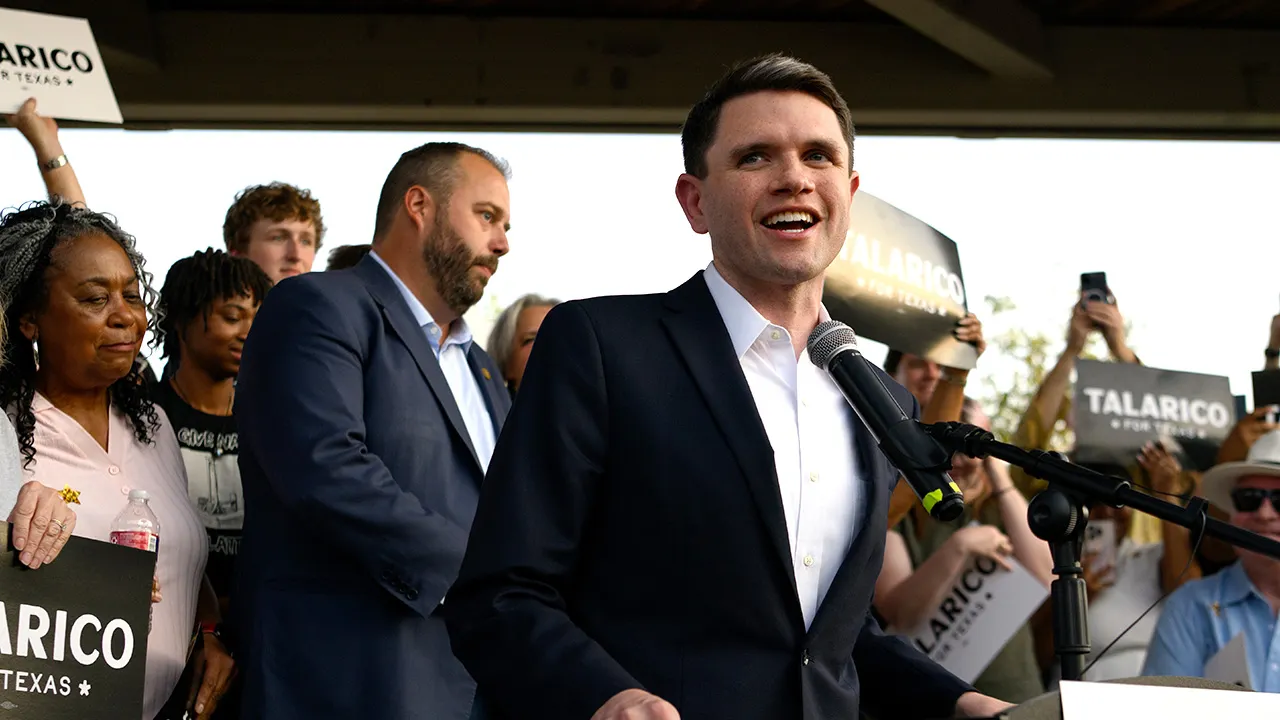
It’s always interesting when someone in politics blurs the lines between personal beliefs and public image, especially in a state like Texas where religion and conservatism often go hand in hand. James Talarico, a Democratic Representative running for the U.S. Senate, recently sparked a storm on the “Politics War Room” podcast hosted by veteran journalist Al Hunt and strategists like James Carville. He’s no stranger to controversy, having voiced ideas that challenge traditional Christian notions, but this time, he went headfirst into comparing atheists and people from various faiths to being more “Christ-like” than some of his fellow lawmakers. Imagine sitting down for a casual chat about power, faith, and societal expectations, only to drop a bombshell like that. Talarico, who serves in the Texas House and has a background as a former school teacher and Presbyterian seminarian, explained his thoughts on prioritizing personal growth over imposing religious doctrines on others—specifically, criticizing moves to plaster the Ten Commandments in classrooms or force Bible readings on unwilling kids. Instead, he urged everyone, regardless of background, to look inward and strive for that compassion and humanity often associated with Jesus’s teachings. It felt like a genuine call to empathy, rooted in how we treat people, rather than check-the-box piety. Host Al Hunt even chimed in, noting that folks from other religions, like Muslims and Hindus, could glean valuable lessons from Jesus without needing to convert. Talarico nodded in agreement, recounting his experiences in the Texas legislature where he’s encountered Hindus, Buddhists, Sikhs, Jews, Muslims, atheists, and agnostics who embody that spirit better than some professing Christians.
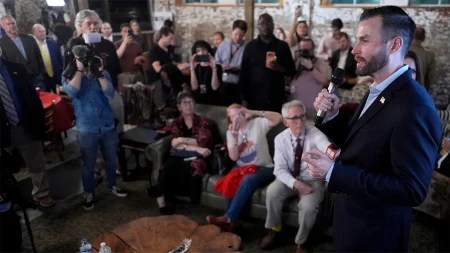
What makes this conversation even more poignant is Talarico’s uphill Senate battle. He’s aiming to unseat long-time Republican Senator John Cornyn, a feat no Texas Democrat has accomplished since 1988. It’s a race framed as progressive hope amid growing frustrations with “extremism and corruption” at various levels of government. Walking campaign trails, Talarico senses a real shift—a backlash bubbling up against hardline stances on everything from social issues to economic policy. It’s like watching a grassroots movement gain momentum, where everyday Texans, tired of the status quo, might just be ready to flip the seat blue. During the podcast, the discussion veered into how religion intersects with politics, turning Talarico’s Christianity into a tool for critiquing conservatives. He described “Christian nationalism,” where faith gets tangled up with partisan politics, transforming beliefs into a cloak for political agendas. These folks, he argued, claim to follow Jesus but balk at basics like healthcare for the sick, food for the hungry, or fair wages for the poor. It’s a stark contrast to the Jesus he reads about in scripture—one whose life and teachings were about radical love, not exclusion. Listening to Talarico, you get the sense he’s channeling his faith as a guiding force in the “halls of power,” but he’s not afraid to call out hypocrisy when he sees it, even if it ruffles feathers among those who see politics and faith as inseparable twins.
The podcast wasn’t just policy talk; it delved deeper into Talarico’s evolving spirituality. As someone who’s leaned into his Presbyterian roots while exploring other traditions, he articulated a faith that’s less about rigid orthodoxy and more about shared truths. In an earlier New York Times interview, he shared how studying Buddhism, Hinduism, Islam, and Judaism had enriched his Christianity, revealing these paths as circling a central mystery about the universe and cosmos. It’s almost humbling to hear someone admit that true growth comes from openness, not isolation—one of those rare admissions in politics where vulnerability might actually connect rather than alienate. Talarico tied this back to real-world applications, suggesting that true Christ-likeness is measured by actions toward others, not doctrinal boxes. His approach resonates with a modern audience grappling with diversity and inclusivity, painting religion as a bridge rather than a battlefield. You can picture him, after hours in the legislature, reflecting on these intersections, blending his teacher background with seminarian wisdom into something profoundly personal.
Of course, this kind of boldness doesn’t come without backlash. Conservatives lit up social media, accusing Democrats of perpetually putting down Christians and mocking Talarico’s past stances, like calling abortion positions “biblical” or claiming “God is nonbinary” during a 2021 speech rebuking anti-transgender legislation. One user quipped, “Says the dude who claims the pro-abortion position is Biblical,” highlighting the divide. The RNC’s Zach Kraft labeled it “anti-Christian Christian shtick,” warning that twisting faith for “woke” agendas might thrill coastal elites but alienates heartland voters. Kraft’s words echo that fear: in Texas, where evangelical Christianity often aligns with GOP politics, Talarico’s reimagining of scripture as permissive on issues like consent in creation or abortion could feel heretical. On Joe Rogan’s podcast in September 2025, Talarico elaborated, citing the angel Gabriel’s interaction with Mary as an affirmation of consent, arguing against forcing anyone into situations against their will. It’s controversial territory, yet he framed it as scriptural integrity over imposed dogma, reminding listeners that orthodoxy on abortion isn’t as black-and-white as some claim. For supporters, this shows courage; for critics, it’s apostasy dressed up as enlightenment.
Digging into Talarico’s history paints a picture of someone consistently ahead of the curve on faith debates. His record isn’t just a string of soundbites—it’s tied to legislative fights, like those for youth sports and transgender rights, where he used his platform to humanize complex issues. Critics see him as out of touch, but his campaign defends these views as authentic expressions guiding his policy votes. In the Senate race, where Democrats sense an opening amid GOP infighting described as a “last remaining strategy,” Talarico’s controversies could either energize the base or seal his fate. Polls suggest competitiveness, but in red states like Texas, hostility toward progressive takes on religion might be a bridge too far. Still, his story humanizes politics: a guy balancing deep faith with real-world concerns, unafraid to challenge norms. Fox News reached out for comment, but the echoes of this debate linger, sparking broader conversations about how we define morality and leadership.
Ultimately, Talarico’s journey reflects a larger cultural tug-of-war. In a time when podcasts like “Politics War Room” dissect the souls of politicians, his emphasis on treatment over doctrine invites us to reconsider faith’s role in society. It’s empathetic journalism meeting political theater, where figures like Carville critique rhetoric that offends “any sense of humanity.” Talarico isn’t claiming perfection; he’s inviting dialogue on being better humans, one inward look at a time. Whether he wins the Senate seat or not, his words ripple outward, challenging divisions and prompting reflection. For progressives, he’s a beacon; to conservatives, a cautionary tale. In the end, his campaign embodies hope that humanity’s shared truths can transcend labels, making politics less about winning and more about understanding each other.