

The Backlash Against Eric Swalwell
In a twist that has left many scratching their heads, California gubernatorial candidate Eric Swalwell is under fire for what looks like a glaring double standard. Just days before explosive allegations of sexual misconduct hit the news, his lawyer reportedly fired off cease-and-desist letters to women accusing him of assaults, trying to shut down the whispers before they could spread. It’s a move that’s screamed hypocrisy, especially since Swalwell was one of the loudest voices demanding that Brett Kavanaugh’s accusers be heard during that messy Supreme Court confirmation back in 2018. Now, as he campaigns to replace Governor Gavin Newsom, these resurfaced moments from his past are painting him as someone who preached victims’ rights but is now quick to silence them when the spotlight turns. It’s ironic, really—politicians often talk about accountability, but when it bites back, it stings harder. Social media has erupted, with users calling out this apparent flip-flop, questioning if his empathy was selective. Swalwell’s team is scrambling, brushing it off as political mudslinging from rivals who team up with conspiracy theorists, but the timing feels too coincidental to ignore. For voters in a tight race, this isn’t just gossip; it’s a test of character in a leader whose platform includes standing up for the vulnerable.
Recalling His Stance on Kavanaugh
Flash back to those heated Kavanaugh hearings: Swalwell was front and center, passionately advocating for the women coming forward with stories of assault. He slammed the process as demeaning to victims, urging that all allegations be investigated thoroughly, no rushing. “I’ve seen continued demeaning of victims of sexual assault, people who deserve to be heard,” he said back then on MSNBC, pushing for Kavanaugh to welcome questioning from every accuser to prove his innocence. It was a principled stand in a time when political divisions ran deep, and Swalwell positioned himself as a defender of the accused women against what he saw as a president eager to fast-track the nomination. Now, that same eloquence is boomeranging. Legal experts like Jonathan Turley, a Fox News contributor, tweeted that Swalwell seems to expect a lighter touch than the “mob” he led against Kavanaugh. Similarly, former Senate counsel Mike Davis dug up old posts where Swalwell attacked Kavanaugh’s denials, labeling them “bullshit allegations.” It humanizes the irony—here’s a man who once championed transparency, now accused of blocking it when his own reputation is on the line. For those following politics, it’s a reminder of how quickly roles reverse, and how past words can echo loudly in the present.
The Allegations Begin to Surface
The rumors about Swalwell started bubbling last month, sparked by progressive activist Cheyenne Hunt, who shared testimonies from women claiming the congressman had sexually assaulted them. Despite the lawyer’s letters attempting to quash the talk on Thursday, Friday brought a flood of reports from outlets like CNN and the San Francisco Chronicle, detailing the accusations. These aren’t vague claims; they’re personal stories from women who worked closely with him, recounting experiences that left them feeling exploited and betrayed. It’s heartbreaking to imagine the courage it took for these women to speak out, especially in a high-stakes political climate where coming forward can invite backlash. Swalwell, described by some as a charismatic figure in Democratic circles, is now seen through a different lens—one shadowed by these allegations. His campaign was riding high as the frontrunner in a packed field of candidates aiming to fill Newsom’s shoes, but this scandal threatens to derail that momentum. For the public, it’s a stark look at how power dynamics in politics can blur lines, turning professional relationships into something sinister. These women aren’t just background stories; they’re individuals with lives impacted, pushing for truth amid his denials.
A Victim’s Heartbreaking Account
One of these women, a former staffer who worked for Swalwell for about two years starting at age 21, opened up publicly for the first time in the San Francisco Chronicle. Her story is raw and detailed, painting a picture of a man she trusted who crossed dangerous boundaries. She claims he pursued her immediately after hiring her, despite his marriage, and subjected her to repeated incidents while she was under the influence. Imagine the vulnerability: pressure to send explicit photos of herself, receiving his in return, and then worse—alleged exhibitionism in a car and requests for oral sex that affected her job. Years later, at a 2024 charity event where he was honored, they reconnected. After drinks, things escalated when she says he tried to force himself on her in a hotel room after she’d blacked out. She pushed back, saying “no,” but it took texting a friend afterward to process the trauma—she called it a sexual assault. Texts reviewed by the outlet show her in distress, waking up during it and telling him to stop, only to feel dismissed. This isn’t just an accusation; it’s a narrative of emotional wreckage, a young woman’s trust shattered by someone in authority. It humanizes the pain, reminding us that behind headlines, real people suffer, and their voices, when finally heard, demand action.
Swalwell’s Firm Denial
In response, Swalwell hit back hard late Friday night with a video on X, categorically denying the allegations: “They are flat false. They did not happen. They have never happened.” He vowed to fight them with everything, acknowledging past judgment mistakes but placing them in the private realm between him and his wife, offering her a deep apology for dragging her into the spotlight. It’s a personal touch—perhaps to show vulnerability and shift focus to marital reconciliation over public scandal. His spokesperson called it an outrageous rumor spread by desperate opponents 27 days before the election, tying it to political foes and conspiracy theorists. No immediate comment from his office, but the defiance is clear. For Swalwell, this is a fight for his career and legacy, framed as a personal vindication. But for onlookers, it raises questions: if these claims are fabrications, why the cease-and-desist preemption? If true, how does a man rebuild after such profound betrayals? It’s a human drama unfolding in real time, balancing accusation, defense, and the raw unpredictability of public real trials.
The Bigger Picture for California and Beyond
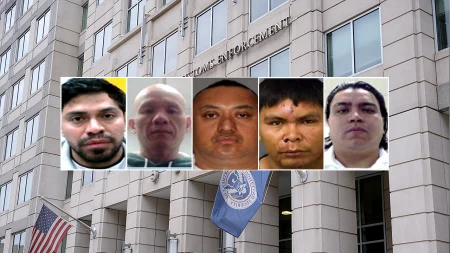
As California’s gubernatorial race heats up, these scandals hang over Swalwell like a cloud, potentially swaying voters who prioritize integrity and accountability, especially on issues like gender equity that he’s championed. His vow to make ICE agents “un-hirable” in state jobs shows his progressive edge, but hypocrisy claims could erode trust. Allies like Adam Schiff have endorsed him, yet this might test loyalties. Beyond politics, it spotlights broader societal issues: the #MeToo era’s promise versus reality, where powerful men face scrutiny. For the victims, it’s about justice; for Swalwell, survival. This story isn’t just about one man—it’s a mirror for how we value voices, especially women’s. In humanizing these events, we see the emotional toll on everyone involved: accusers seeking closure, a family defending privacy, and a public grappling with ideals. As the race continues, this could define not just a candidacy, but faith in leadership itself. Whether truth prevails or politics wins, the conversations here remind us of empathy’s role in a fractured world.