






Supreme Court to Review Trump’s Attempt to Fire Federal Reserve Governor Lisa Cook
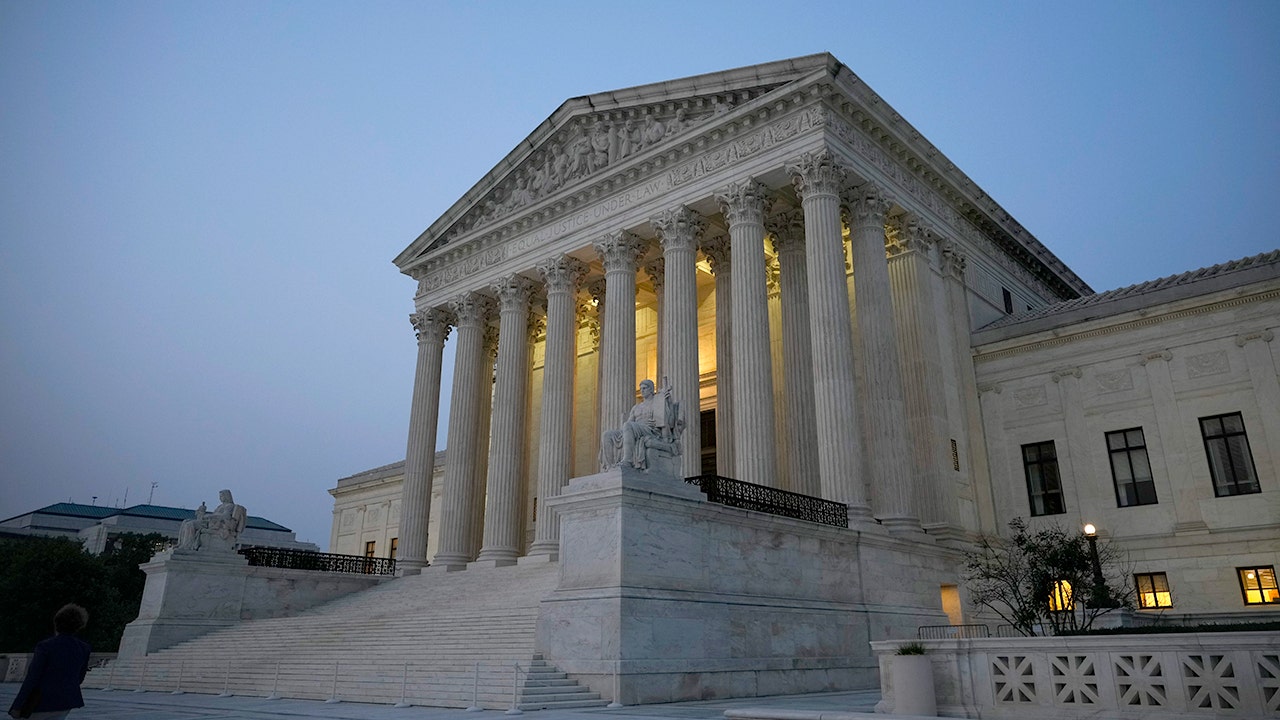
In a case that could redefine presidential power over the nation’s central bank, the Supreme Court is set to hear arguments on Wednesday concerning President Donald Trump’s unprecedented attempt to remove Federal Reserve Governor Lisa Cook from her position. This closely watched legal battle not only has immediate implications for Cook’s tenure but also raises profound questions about the independence of the Federal Reserve, an institution that has remained politically insulated throughout its 112-year history.
The controversy began last August when Trump announced his intention to fire Cook via social media, citing allegations of mortgage fraud made by Trump administration official Bill Pulte. Cook has strongly denied these accusations, describing them as “manufactured charges” designed to create a pretext for her removal. No formal charges have been brought against her to date. After Trump’s announcement, Cook filed a lawsuit challenging her removal, and a lower court initially blocked Trump from firing her. When the Trump administration appealed to the Supreme Court, the justices agreed to hear the case but allowed Cook to remain in her position pending review—a decision that deviated from the court’s typical pattern of granting the administration’s emergency requests, perhaps reflecting the exceptional nature of the case.
At the heart of this legal dispute is whether Trump has satisfied the “for cause” requirement necessary to remove a Federal Reserve governor. Cook’s legal team argues that Trump’s attempt is “unprecedented and illegal” and represents a thinly veiled effort to gain control over the Federal Reserve. They contend that granting Trump’s request would “dramatically alter the status quo, ignore centuries of history, and transform the Federal Reserve into a body subservient to the president’s will.” The administration’s lawyers counter that Trump’s removal powers are discretionary under federal law, arguing that “the president may reasonably determine that interest rates paid by the American people should not be set by a governor who appears to have lied about facts material to the interest rates she secured for herself—and refuses to explain the apparent misrepresentations.”
The Supreme Court has several options in its approach to this case. Justices could narrowly rule on whether to uphold the lower court’s decision blocking Cook’s removal, or they could address broader constitutional questions regarding presidential authority over independent agencies like the Federal Reserve. This case follows a similar dispute heard by the court in December, Trump v. Slaughter, which involved Trump’s attempt to fire Federal Trade Commission member Rebecca Slaughter without cause. In that instance, however, the court declined to keep Slaughter in her position while arguments proceeded, marking a contrast with its handling of Cook’s case.
While Trump administration officials have characterized this case as focused specifically on Cook’s removal, the financial world is watching intently for broader implications. Investors, bankers, and business leaders will scrutinize Wednesday’s oral arguments for indications of how the court might rule, with potential immediate effects on markets and monetary policy decisions, especially with the next Federal Open Market Committee meeting scheduled for later this month. The case unfolds against a backdrop of escalating tensions between Trump and Federal Reserve leadership, with Trump repeatedly criticizing Fed Chair Jerome Powell and other board members for their cautious approach to lowering interest rates.
This high-stakes legal battle occurs as relations between Trump and the Federal Reserve have deteriorated significantly. Just last week, Powell revealed that the agency had been subpoenaed by the Justice Department over allegations that he misled Congress about the costs of renovating the Fed’s headquarters—further evidence of the growing rift between the administration and the central bank. Powell has indicated he plans to attend Wednesday’s oral arguments, underscoring the importance of this case not just for Cook’s future, but for the fundamental question of Federal Reserve independence in the American financial system. As the justices consider the arguments, they must weigh not only the specific circumstances of Cook’s case but also the broader implications for the separation of powers and the tradition of central bank autonomy that has shaped American monetary policy for more than a century.