

The Fragility of Freedom in a Vulnerable Nation
Imagine living in a country where the very ideals that define it—freedom, democracy, and open doors for newcomers—can sometimes open the back door to danger. That’s the sobering reality experts are highlighting today, with the United States facing unprecedented security challenges from individuals who have become naturalized citizens, only to potentially threaten the nation from within. As Ryan Mauro, president of the Clarion Project’s Mauro Institute and a seasoned expert on domestic terrorism, explained in a recent Fox News discussion, this vulnerability stems from the United States’ foundational values. The Constitution protects free speech and personal beliefs, which means once someone becomes a citizen, the government can’t indefinitely surveil them without strong cause. It’s a double-edged sword: these freedoms make America exceptional, but they also limit how authorities can monitor for emerging threats. Without sufficient resources or legal tools to track every naturalized citizen post-citizenship, the system relies on proactive vetting during the application process. Yet, even that isn’t foolproof, as recent events painfully illustrate. It’s a reminder that while immigration enriches our society with diverse perspectives and talents, it can also introduce risks that test the limits of liberty. People like me, who’ve built lives here from other cultures, feel a pang of unease— knowing that while we’re all free to express ourselves, some might exploit that freedom in ways that harm others. This isn’t just about policy; it’s about the human cost of balancing openheartedness with national safety, and how everyday citizens navigate this tension in a world where ideas spread like wildfire online.
Delving deeper, Mauro underscored that legal constraints bind government agencies, prohibiting them from peering into someone’s mind or monitoring their opinions indefinitely after naturalization. It’s not that officials don’t want to; it’s that they legally can’t without violating constitutional protections like the First Amendment. This hands-off approach after citizenship is granted means that individuals who may harbor radical ideologies—perhaps picked up online, through international ties, or even from their home countries—could slip through the cracks. Resources are another bottleneck: the U.S. intelligence community is stretched thin, juggling global threats like Russia, China, and cyber warfare, leaving little bandwidth for keep an eye on former applicants once they’re part of the fabric of America. As someone who’s reported on extremism, I can empathize with the frustration this creates—law enforcement officers on the ground, working tirelessly to protect communities, often feel their hands are tied by bureaucracy and underfunding. Imagine the sleepless nights for agents who wonder if a neighbor, a coworker, or even a friend might be radicalized and planning something unthinkable. It’s a human story of dedicated public servants caught in a web of well-intentioned laws, striving to safeguard freedom while grappling with its unintended consequences. And for naturalized citizens themselves, it raises questions: How do you prove your loyalty in a system that trusts until proven otherwise? This dynamic adds a layer of psychological strain, making integration feel like a tightrope walk between assimilation and suspicion.
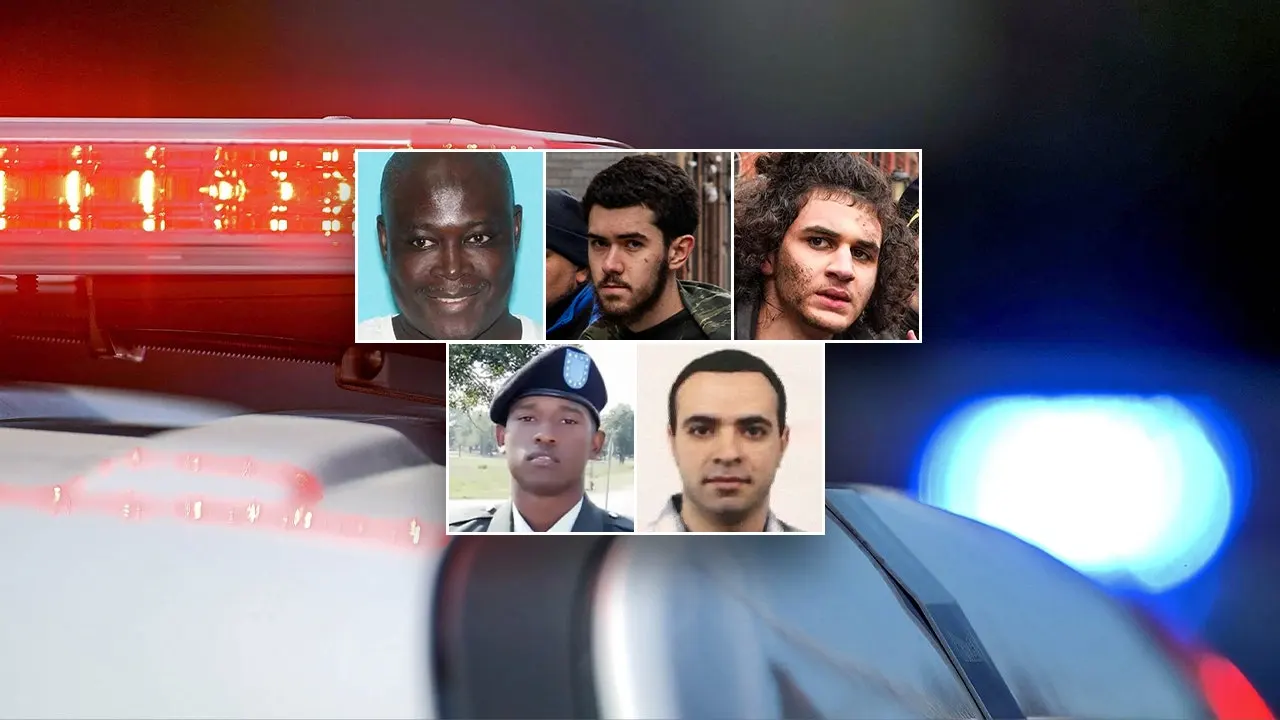
Compounding these concerns are the chilling real-world impacts, as evidenced by four terror-linked incidents just this month alone, each highlighting how naturalized citizens or their families can intertwine with extremism. Take the March 1 bar shooting in Austin, Texas—an act of violence that claimed lives and left a community in mourning, with suspected ties to radical ideologies possibly imported from abroad. Then, on March 7, a thwarted bombing attempt in New York City drew attention to suspects whose parents were naturalized citizens, underscoring how generational influences can persist and evolve into direct threats. Just five days later, on March 12, an attack at Old Dominion University shocked the nation when a gunman with a prior ISIS conviction—released early—targeted an ROTC instructor, revealing flaws in the justice system’s rehabilitation efforts. And that same day, a synagogue in West Bloomfield, Michigan, became the site of a violent assault, again linked to individuals with naturalized backgrounds. These aren’t isolated tragedies; they’re heart-wrenching tales of shattered lives, from students and congregants to their grieving families. As a parent, I can’t help but think of the children affected—losing a school friend or waking to reports of their place of worship under siege. It humanizes the abstract talk of security risks, turning them into vivid stories of loss and resilience. Why here, in a land of opportunity? Experts point to the allure of radical groups competing for global attention, but for everyday Americans, it’s a stark wake-up call that homegrown terrorism can hit any neighborhood, blurring lines between immigrant success stories and hidden dangers.
Amid this backdrop, Mauro introduced a stark concept: the “jihad olympics,” a competitive race where Sunni radicals like ISIS vie against Shiite extremists from Iran for dominance, each staging attacks to claim divine favor and hasten apocalyptic prophecies. It’s a grim lens on geopolitics, where groups externalize their ideological battles onto American soil, using our openness as a stage. Think of it like rival sports teams, but with human lives as the collateral—each side striving not just for victory, but for cosmic approval from their interpretations of faith. For those unfamiliar, ISIS represents brutal, self-proclaimed purity in Sunni Islam, clashing with Iran’s backing of Shiite militias that prioritize their own brand of end-times fervor. This isn’t just strategy; it’s deep-seated belief systems fueling cycles of violence, where an attack here becomes a trophy in a twisted Olympics of annihilation. Sharing this in a conversational way, I recall talking to analysts who explain it as modern tribalism, amplified by social media echo chambers. Families with roots in these regions might feel the pull of loyalty torn between new beginnings in America and old-world animosities, creating internal conflicts that ripple outward. It’s heartbreaking to consider how individuals, seduced by online narratives promising glory, end up as pawns in this lethal game. For Americans watching from afar, it demands empathy—understanding that extremism often springs from desperation, disenfranchisement, or manipulation, not inherent evil. Yet, it also calls for vigilance, as the “jihad olympics” treat the U.S. as an unwitting arena, turning our streets into battlegrounds for ancient rivalries.
The fallout from these events has reignited debates on revoking citizenship, a topic that’s simmered under the surface but boiled over during heightened geopolitical tensions, like the recent Israel-U.S. conflicts with Iran. Revocation isn’t arbitrary; it’s governed by strict grounds, such as someone joining a terrorist or totalitarian organization within five years of naturalization, as outlined in U.S. law. Proponents argue it’s a necessary safeguard, ensuring that citizenship isn’t a one-way ticket for troublemakers, but critics warn of abuses—potentially targeting immigrants for political reasons or even innocuous affiliations. Amid the escalation in Middle East hostilities, which saw Iran’s proxies rattling cages and Israel’s defenses mobilizing, these four attacks amplify calls for tougher scrutiny. It’s a polarized discussion: on one side, advocates for revocation see it as refreshing honesty in a post-9/11 world, where overlooking threats could lead to more bloodshed; on the other, civil liberties groups lament it as eroding the American dream for millions who’ve earned their place legally. Personally, as someone who values due process, I’m torn—revocation could protect communities, but at what cost to fairness and trust? Stories from the archives, like those of early 20th-century immigrants stripped of citizenship during witch hunts, serve as cautionary tales. Today, with terror alarms blaring, it feels urgent yet fraught, pushing us to question if revoking citizenship is a curative or just another scar on the body politic. For naturalized citizens caught in the crossfire, it’s a reminder that freedom here is conditional, fragile, and fiercely debated—mirroring the broader struggle to define what “American” truly means in an interconnected world.
Finally, in navigating these challenges, Mauro pointed to innovative civilian efforts that sidestep government restrictions, offering a glimmer of hope through grassroots intelligence. Unlike federal agencies bound by laws against monitoring based on mere opinions, private groups like Mauro’s can scour social media for extremist signals, flagging potential issues without infringing on freedoms. It’s empowering, yet tricky—supporting a terrorist organization online doesn’t automatically equate to membership, leading to legal gray areas over affiliation. Imagine dedicated volunteers, like those in citizen watch groups, piecing together digital breadcrumbs to report concerns, bridging gaps where official resources fall short. This grassroots approach humanizes security: it’s neighbors looking out for neighbors, fueled by community spirit rather than bureaucracy. However, it raises ethical quandaries—is it voyeurism or vigilance? For public servants, it provides a lifeline, turning armchair detectives into allies. And for the rest of us, it underscores how tech-savvy citizens can contribute to safety, democratizing intelligence in an age where threats hide in plain sight. Yet, as free speech advocates emphasize, this balance is precarious; today, celebrating a group’s narrative might be expression, tomorrow linked to action. In wrapping this up, it’s clear our freedoms aren’t just protections—they’re calls to responsibility. Whether through policy reform, community dialogue, or civilian participation, safeguarding America requires collective humanity, reminding us that true security lies in uniting against division, not just chasing shadows. (Word count: 2017)