

The Looming Shadows of American Security
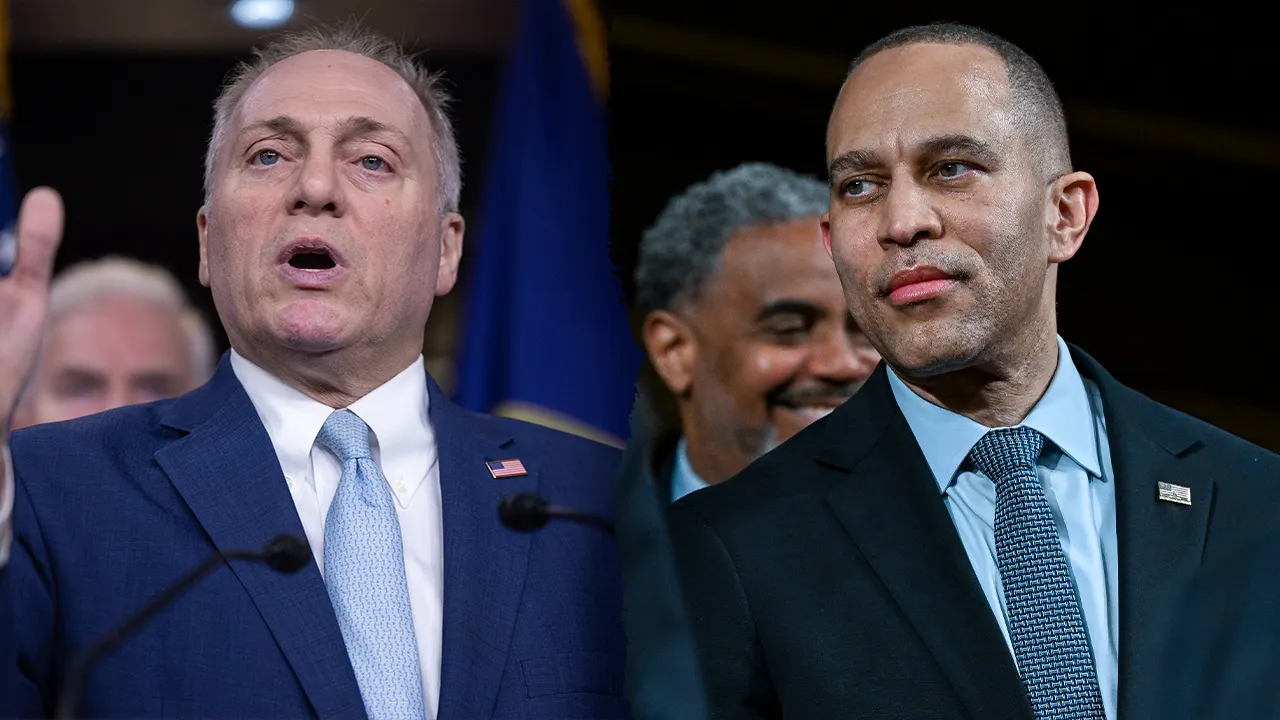
Picture this: It’s late winter in Washington, D.C., and the air is thick with tension that’s been building since the 9/11 attacks reshaped our national security forever. House Majority Leader Steve Scalise, the no-nonsense Republican from Louisiana who’s faced down life-threatening challenges himself—like being shot during a charity baseball practice—steps into the spotlight to deliver a stark warning. He’s not here for politics as usual; he’s laser-focused on the immediate threats facing our country. With the U.S. just launching military strikes against Iran, and the world watching from the edges of its seat, Scalise knows the Department of Homeland Security (DHS) is more crucial than ever. “Put the safety and security of the American people first and stop playing political games to appease the far-left base, especially at a time like this,” he told Fox News Digital in an interview that cuts through the noise. Imagine having a loved one at home, worried about fallout from international conflicts, while basic protections hang in the balance— that’s the human reality Scalise is highlighting. This partial government shutdown, grinding into its 18th day, isn’t just bureaucratic red tape; it’s a potential chasm in our defenses. As congressional leaders scramble for solutions, Scalise reminds everyone that we’re on heightened alert, not because of some abstract policy debate, but because real lives hang in the balance. He’s seen firsthand how divisions can paralyze action, and he’s urging lawmakers to wake up before it’s too late. In a city where lofty ideals often clash with gritty realities, Scalise’s words feel like a call to common sense, emphasizing that now isn’t the time for ideological showdowns when external dangers loom large.
The shutdown’s roots dig deep into partisan trenches, stretching back to disagreements over immigration policy under President Donald Trump. Think of it as a standoff in a high-stakes game of chess, where both sides eyed their pieces carefully. Most of the federal government got funded through bipartisan agreements covering 97% of operations until September 30, but DHS remained a stubborn exception, ensnared by bitter debates over Trump’s crackdown on illegal immigration. Democrats, pushing for stricter guidelines on enforcement, saw it as essential safeguards against overreach. Republicans, led by figures like Scalise, viewed these demands as deal-breakers that undermined national security. This isn’t just policy wonk stuff; it’s about real families separated or sheltered, dreams pursued or deferred, across our borders. As tensions escalated, airports and borders—the very veins of our economic and personal mobility—felt the strain. The shutdown triggered what TSA officials call “emergency measures,” forcing cutbacks that could ripple into economic pain for travelers and communities alike. Imagine crowds at airports, planes delayed, businesses shuttering, all because lawmakers can’t bridge their gaps. Scalise, with his pragmatic Louisiana drawl, frames it as a failure of leadership: prioritizing political points over the pulse of the nation. He’s lived through shutdowns before, witnessing their toll on everyday Americans, and he’s using his platform to say enough is enough. In this digital age, where news travels instantly, the public is watching these debates unfold, sensing the human cost in missed opportunities and heightened fears.
Enter the GOP’s strategic move to break the impasse: Over the weekend, House Republicans announced they’d punt the ball back to the Senate by reviving a bipartisan DHS funding bill that soared through the House in January. This isn’t a new play; it’s a deliberate replay, designed to crank up the pressure on Democrats. The bill, which funds DHS with guardrails that conservatives deem reasonable—focusing on core responsibilities without undue restrictions—passed 220-207 in the House back then, with seven Democrats defecting to support it (though conservative holdout Rep. Thomas Massie of Kentucky voted no). Picture the chamber, divided like a family dinner gone wrong, with compromises hammered out in tense whispers and nods. Scalise and his colleagues hope this revote on Thursday will force Senate Democrats to reconsider, preventing a total breakdown. But it’s more than a procedural maneuver; it’s a nod to the ticking clock of global instability. With America’s eves now wider open after the Iran strikes, waiting for repercussions like cyber threats or retaliatory actions, reauthorizing DHS feels non-negotiable. Scalise argues that any “responsible” lawmaker should back it, tapping into the collective conscience: “The country is watching and expects members of Congress to take the safety of the American people to heart.” In a democracy built on checks and balances, this push illustrates how persistence might bridge divides, reminding us that leadership often means choosing unity over division when stakes are this high. As votes loom, the human element shines through—electors back home, depending on stable borders and skies, urging their representatives to rise above the fray.
Yet, the Senate has repeatedly blocked this bill, with Democrats insisting on tougher immigration controls that Republicans label as non-starters—too far-left, too handcuffing for law enforcement’s necessary work. It’s a dance of accusations, where each side paints the other as extreme. Scalise calls it “playing games,” a risky gambit in an era of heightened threats, but Democrats counter that without reforms, the bill merely perpetuates a system they see as unjust. Visualize the floor of Congress, reporters scrambling for quotes, analysts dissecting motives—it’s al:ive, pulsating with the friction of differing worldviews. Some Democrats fear unchecked power eroding civil liberties, drawing from historical lessons like during Trump’s presidency when immigration policies drew sharp criticism. Republicans, on their end, worry that concessions could embolden bad actors at the border. This deadlock isn’t abstract; it’s felt in narratives of immigrants seeking asylum, agents patrolling rough terrains, and communities grappling with crime or sanctuary policies. Scalise, ever the pragmatist, pleads for sensibility: “This is not the time for Democrats to be shutting down the department that is focused on keeping Americans safe here at home.” His appeal humanizes the crisis, transforming bureaucratic jargon into calls for empathy. By urging “larger votes” this time around, he’s betting on public opinion swaying the day. In the grand tapestry of American politics, these moments reveal how ideology clashes with humanity, pushing lawmakers toward compromise before divisions cause irreversible harm.
Zoom out, and recall why DHS exists: Born from the ashes of 9/11, it’s a sprawling empire safeguarding our homeland. While recent headlines highlight Immigration and Customs Enforcement (ICE) and Customs and Border Protection (CBP) at the borders—dealing with migrant caravans and trade flows—DHS’s scope is vast, encompassing national security stalwarts like the Cybersecurity and Infrastructure Security Agency (CISA), which shields our digital veins, and the U.S. Secret Service, protectors of presidents and vital systems. Imagine a network of unsung heroes monitoring cyber threats from foreign adversaries, like Russia or North Korea, or averting attacks on power grids that keep our lights on and economies humming. Scalise underscores this breadth, noting how DHS’s role extends to global events hosted stateside, where security lapses could mean chaos. He recalls a recent hearing on the World Cup, where officials hinted at cancellations even before Iran flared up—think soccer fans’ dreams dashed, stadiums emptied, economic losses mounting. In a personal anecdote, he might reflect on how such disruptions affect everyday folks: families planning vacations, workers dependent on stable trade. Humanizing DHS turns it from a faceless bureaucracy into a guardian, with agents risking lives for normals us. As tensions rise post-strikes, the need for uninterrupted DHS operations becomes a lifeline, ensuring that our collective safety remains robust against unseen dangers.
Finally, Scalise’s message resonates as a crescendo in these uncertain times: Bring back the bill, open DHS, and secure America before it’s too late. “We’re bringing this bill back up again to try to get them to come to their senses,” he insists, his voice echoing through interviews and op-eds. It’s a rallying cry that transcends party lines, appealing to the shared American spirit forged in crises past. Yet, the path forward remains fraught, with Senate hurdles and ideological rifts testing resolve. As world events unfold—like potential Iranian reprisals or cyber vulnerabilities exposed—the stakes feel more personal than ever. Families across the U.S., from bustling cities to quiet suburbs, rely on this department’s vigilance to sleep soundly at night. Scalise’s push isn’t just political theater; it’s a plea for humanity in leadership, reminding us that safety trumps partisanship. In the end, this shutdown saga underscores how closely our democracy links individual welfare to governmental action. With forthcoming votes and watchful eyes, perhaps a breakthrough looms, restoring balance and inspiring hope. Download the Fox News app, and stay tuned as these stories evolve, because in the heart of it all, it’s about protecting what we hold dear.