





Virginia’s New Era: Governor Spanberger Takes Office with a Vision for Change
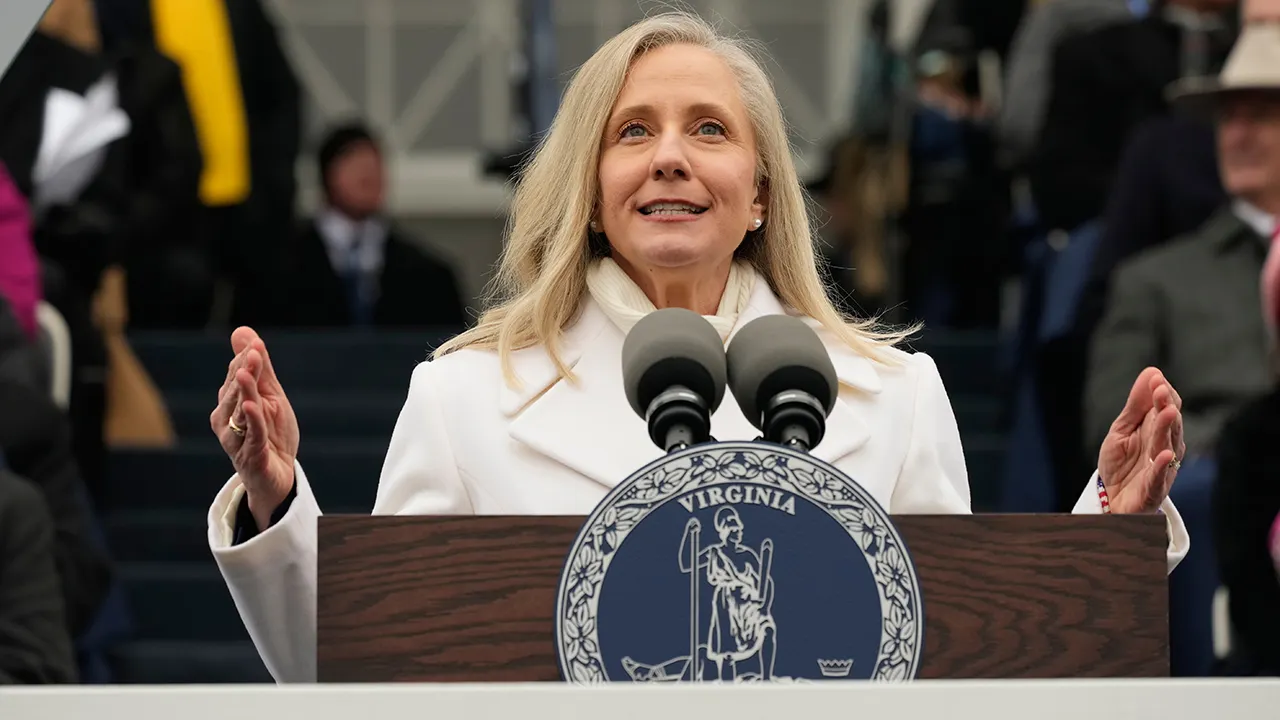
In a historic moment for Virginia, Abigail Spanberger was sworn in as the state’s first female governor on Saturday, marking a significant milestone in the Commonwealth’s political landscape. Taking the reins from Republican Glenn Youngkin, the Democrat delivered a powerful inaugural address at the State Capitol that outlined her vision while voicing concerns about national policies. Her victory over Republican Lt. Gov. Winsome Earle-Sears in November positioned her to make history, but it was her candid assessment of challenges facing Virginians that set the tone for her administration.
Spanberger didn’t mince words when addressing what she perceives as troubling trends from Washington. “I know many of you are worried about the recklessness coming out of Washington,” she told the crowd gathered at the Capitol. Her concerns extended to policies she believes are harming communities, reducing healthcare access, endangering rural hospitals, and increasing costs for ordinary citizens. The new governor painted a picture of federal policies that she sees as stifling innovation and private industry while undermining those dedicated to public service. These pointed remarks reflected her background as a former CIA officer and congresswoman who has consistently positioned herself as a pragmatic moderate willing to challenge her own party when necessary.
The economic pressures facing Virginia families formed a central theme in Spanberger’s address. “Across the Commonwealth, everything keeps getting a bit more expensive,” she noted, listing everyday necessities like groceries, medicine, childcare, utilities, and housing costs. Her acknowledgment that “families are strained, kids are stressed, and so much just seems to be getting harder and harder” resonated with many in attendance who have felt the pinch of inflation and rising costs of living. This focus on kitchen table issues suggests that economic relief and support for working families will be priorities during her administration, as she aims to address the immediate concerns affecting Virginians’ daily lives.
Despite her criticisms of national policies, Spanberger extended an olive branch to those who might disagree with her assessment. “Your perspective may differ from mine, but that does not preclude us from working together where we may find common cause,” she said, signaling a willingness to work across the aisle. This approach aligns with her reputation in Congress, where she often sought bipartisan solutions to complex problems. As Virginia continues to navigate its position as a purple state with diverse political viewpoints, Spanberger’s commitment to finding common ground could prove crucial in advancing her agenda while maintaining broad support. The outgoing governor, Republican Glenn Youngkin, posted a video describing his time in office as an “honor of a lifetime,” setting a tone of respectful transition despite the partisan change in leadership.
The historic nature of her inauguration was not lost on Spanberger, who took a moment to acknowledge the significance of becoming Virginia’s first female governor. “The history and the gravity of this moment are not lost on me. I maintain an abiding sense of gratitude to those who work, generation after generation, to ensure women could be among those casting ballots,” she reflected. This acknowledgment connected her achievement to the broader struggle for women’s political participation and representation, placing her administration within the context of an ongoing journey toward equality. As she takes office, Spanberger carries not only her own political vision but also the symbolic weight of breaking this long-standing gender barrier in Virginia politics.
As Governor Spanberger begins her term, she faces significant challenges and opportunities that will define her administration. Her background as both a CIA officer and congresswoman has prepared her for the complexities of governance, but the true test will be in translating her campaign promises into effective policies. With Democrats gaining control of both chambers of the Virginia legislature, she has a unique opportunity to implement her agenda. However, the political landscape remains delicately balanced, with Virginia voters known for their independence and willingness to split tickets. Spanberger’s success may well depend on her ability to address the economic concerns she highlighted while building the bipartisan coalitions she promised. As she steps into this historic role, Virginians from across the political spectrum will be watching closely to see if her leadership can deliver the pragmatic solutions and common ground approach she championed during her inaugural address.