





SBA Launches Deregulation Initiative to Lower Costs for American Families and Small Businesses
In a bold move to address ongoing financial pressures affecting Americans, the Small Business Administration has unveiled its new “Deregulation Strike Force” initiative. This comprehensive effort, spearheaded by the SBA’s Office of Advocacy, aims to systematically review and eliminate federal regulations that the Trump administration believes have contributed to rising costs across multiple sectors of the economy. From housing to food production, the initiative targets rules that may be hampering economic growth and driving up prices for consumers and small businesses alike. The administration has positioned this deregulation campaign as a direct response to what they characterize as excessive regulatory burdens implemented during President Biden’s term, which they claim imposed approximately $6 trillion in compliance costs on Americans.
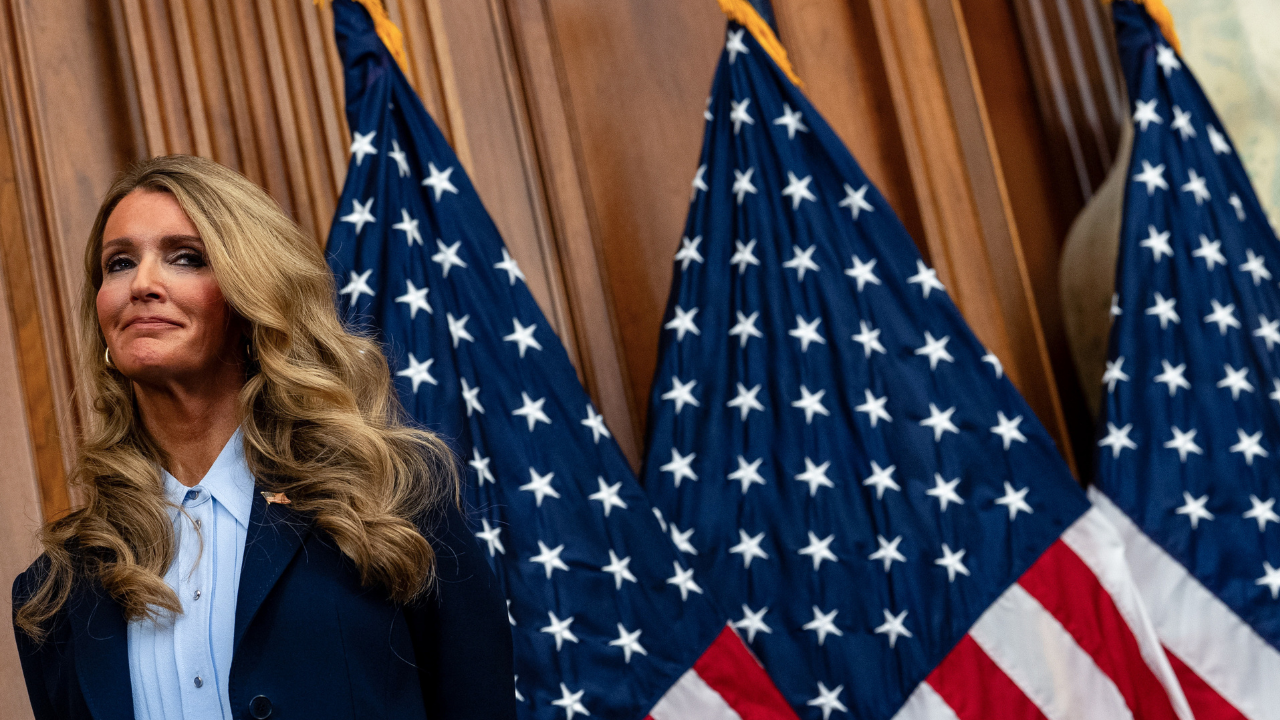
“Bidenomics brought historic new highs in inflation that crushed working families and small businesses, driven in part by the massive bureaucracy that heaped trillions in new federal regulations onto the backs of hardworking Americans,” stated SBA Administrator Kelly Loeffler. This sentiment reflects the administration’s perspective that overregulation has been a significant contributor to inflation and economic hardship. Loeffler emphasized that the SBA is leveraging its unique position and authority to implement deregulation across the federal government, with a particular focus on eliminating what she described as “senseless red tape” that has increased costs for small businesses and consumers. The initiative represents a continuation and expansion of President Trump’s previous deregulatory efforts, which the administration views as central to its economic strategy.
The scope of the Deregulation Strike Force is deliberately broad, targeting multiple sectors that affect everyday Americans. Housing and construction regulations will be examined to address affordability concerns in the real estate market, while healthcare rules will be reviewed with an eye toward reducing costs for both providers and patients. The initiative will also focus on agricultural and food production regulations, energy and utility rules, transportation policies, and other regulations affecting the supply chain. By targeting these specific sectors, the SBA hopes to address cost pressures across the full spectrum of the economy, providing relief in areas where Americans feel the pinch most acutely in their daily lives and business operations.
The administration points to early successes, claiming the SBA has already played a significant role in eliminating an estimated $98.9 billion worth of federal regulations since Trump’s return to office. These changes include modifications to reporting requirements, adjustments to energy-efficiency standards, and revisions to diesel exhaust fluid regulations. Collectively, these and other deregulatory actions are credited with contributing to nearly $200 billion in total regulatory cost savings. These figures underscore the administration’s commitment to quantifying and promoting the economic impact of its deregulatory agenda, positioning regulatory relief as a tangible economic benefit for American families and businesses.
This deregulation initiative aligns closely with President Trump’s broader economic message as his administration begins its term. By focusing on regulatory relief as a means to combat high prices, the administration is signaling that it views excessive government regulation as a key driver of inflation and economic hardship. The SBA’s approach reflects a governing philosophy that emphasizes reducing the government’s role in the marketplace as a pathway to economic growth and prosperity. This strategy represents a significant contrast to the previous administration’s regulatory approach and highlights the different economic visions at play in American politics.
As the Deregulation Strike Force begins its work, its effectiveness will ultimately be measured by its impact on prices and economic opportunities for average Americans. While supporters view the initiative as a necessary correction to regulatory overreach, critics may question whether deregulation alone can address the complex factors driving inflation and economic challenges. The initiative’s success will depend not only on which regulations are modified or eliminated but also on how these changes affect market dynamics, consumer protections, and long-term economic stability. As the SBA moves forward with this ambitious agenda, both supporters and skeptics will be watching closely to see if deregulation delivers the promised relief to American families and small businesses struggling with persistent cost pressures.