





Senate Democrats Break Ranks Over DHS Funding Bill Following Fatal Border Patrol Shooting
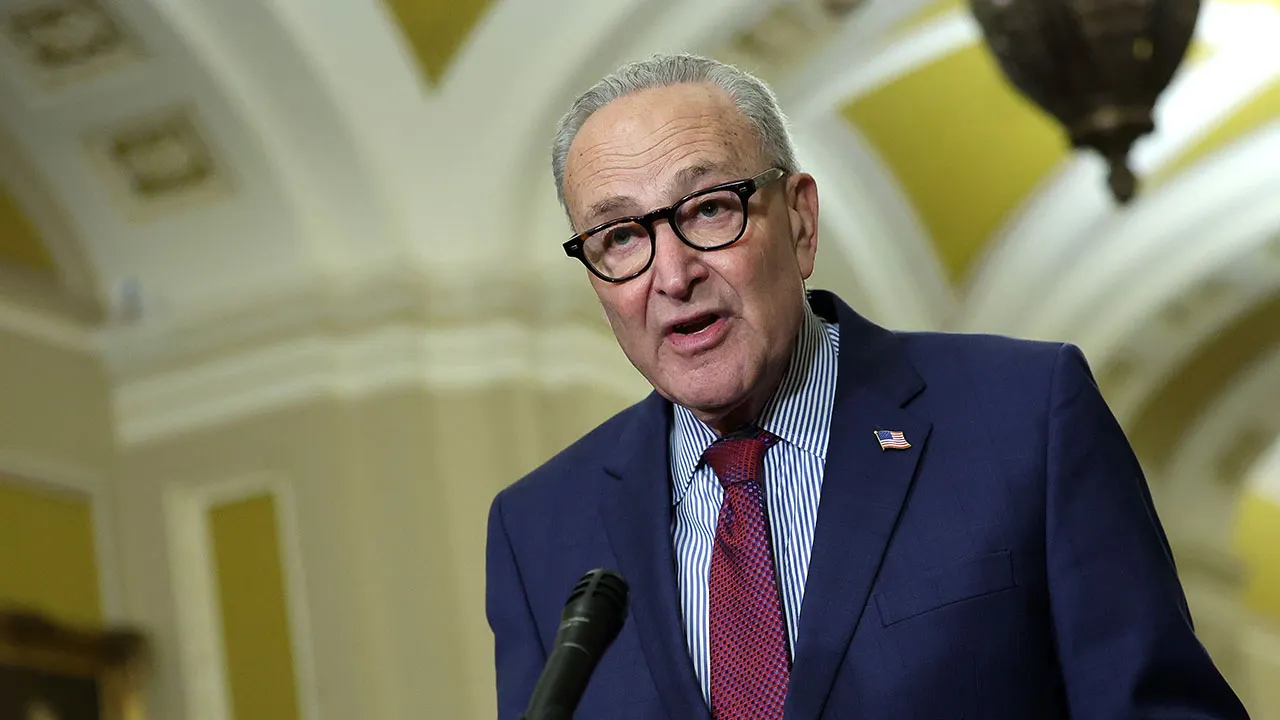
A tenuous agreement to avoid a partial government shutdown has fractured as Senate Democrats, led by Minority Leader Chuck Schumer, plan to vote against Department of Homeland Security funding legislation in response to a recent Border Patrol shooting. The incident, which resulted in the death of 37-year-old Alex Pretti during an immigration enforcement operation in Minneapolis, has galvanized opposition against the DHS funding bill that was previously negotiated on bipartisan terms. The shooting has intensified existing concerns among Democratic lawmakers about immigration enforcement tactics, pushing them to demand more substantial reforms and accountability measures before approving any funding package that includes DHS appropriations.
In a clear statement marking his opposition, Senator Schumer declared that despite Democratic efforts to incorporate “common sense reforms” into the DHS funding legislation, Republican unwillingness to challenge President Trump resulted in a bill that fails to adequately address alleged abuses by Immigration and Customs Enforcement (ICE). “I will vote no,” Schumer stated firmly, adding that Senate Democrats would not provide the necessary votes to proceed if the DHS funding remains part of the package. This stance represents a significant departure from previous Democratic positions, as noted by a senior Senate aide who told Fox News that Democrats had spent weeks expressing their commitment to avoiding another government shutdown and had praised the collaborative nature of the funding process—until the Minneapolis shooting changed the political calculus.
The Democrats’ sudden shift has thrown the carefully negotiated funding package into jeopardy just days before the January 30 deadline, when portions of the government will shut down without new appropriations. Complicating matters further, an arctic storm sweeping across the country has already forced the Senate to cancel Monday votes, compressing the already tight timeline for resolving these differences. The current funding proposal would fully finance DHS operations with certain restrictions and reporting requirements that would serve as triggers to halt specific funding streams if not met. However, many Democrats now find these guardrails insufficient following the Minneapolis incident, which has become a flashpoint in the broader debate over immigration enforcement practices.
Removing the DHS funding bill from the current six-bill package presents significant procedural challenges, as any modifications would require additional action from the House of Representatives. This creates a particularly difficult situation since the House has adjourned until February 2, with Republican leadership showing no inclination to recall members early. “We passed all 12 bills over to the Senate, and they still have six in their possession that they need to pass to the president,” a House GOP leadership source explained, emphasizing there are no plans to reconvene next week. Even if House leaders changed course, the impending snowstorm would likely delay lawmakers’ return until Tuesday at the earliest, making it virtually impossible to complete the legislative process before the Friday funding deadline.
The growing opposition to the DHS funding bill extends beyond Senator Schumer, with several prominent Democrats already having voiced their concerns before the Minneapolis shooting. Senators Chris Murphy of Connecticut and Tim Kaine of Virginia had previously expressed reservations about the legislation, and the incident has only solidified their position. Perhaps more tellingly, Kaine, who had crossed party lines last year to help reopen the government after the longest shutdown in U.S. history, now stands firmly against including the DHS bill in the broader funding package. Nevada Senators Catherine Cortez Masto and Jacky Rosen have also joined the opposition, with Rosen framing the situation as a moral imperative: “My personal guiding principle has always been ‘agree where you can and fight where you must,’ and I believe this is a time when we must fight back.”
The procedural hurdles to resolving this impasse are substantial. The House already passed their spending package in two segments—a standalone vote on DHS funding and a combined package for the departments of War, Health and Human Services, Labor, Education, Transportation, and Housing and Urban Development. A provision was added before passage to combine these bills into one large package for Senate consideration, intended to be paired with other previously passed House bills. Undoing this arrangement would require House lawmakers to return early to navigate multiple procedural steps and conduct another vote—something House GOP leadership has explicitly ruled out. Additionally, even if leaders ordered a return, they would likely face attendance problems with many representatives engaged in planned trips or campaign activities for higher office.
If Congress fails to reach an agreement by the January 30 deadline, a partial government shutdown would impact only those agencies without approved funding. The consequences would be significant, potentially affecting payment to active-duty troops, air traffic controllers, and—ironically—the very Border Patrol agents at the center of the current controversy. As the deadline approaches, the political standoff highlights how a single incident can dramatically alter legislative dynamics, especially on contentious issues like immigration enforcement and government funding. With time running short and positions hardening on both sides, the path to avoiding a partial shutdown grows increasingly narrow, requiring either significant compromise or an eleventh-hour breakthrough that seems increasingly unlikely in the current political climate.