




Renewing Concerns Over Naturalized Citizenship Amid Rising Incidents
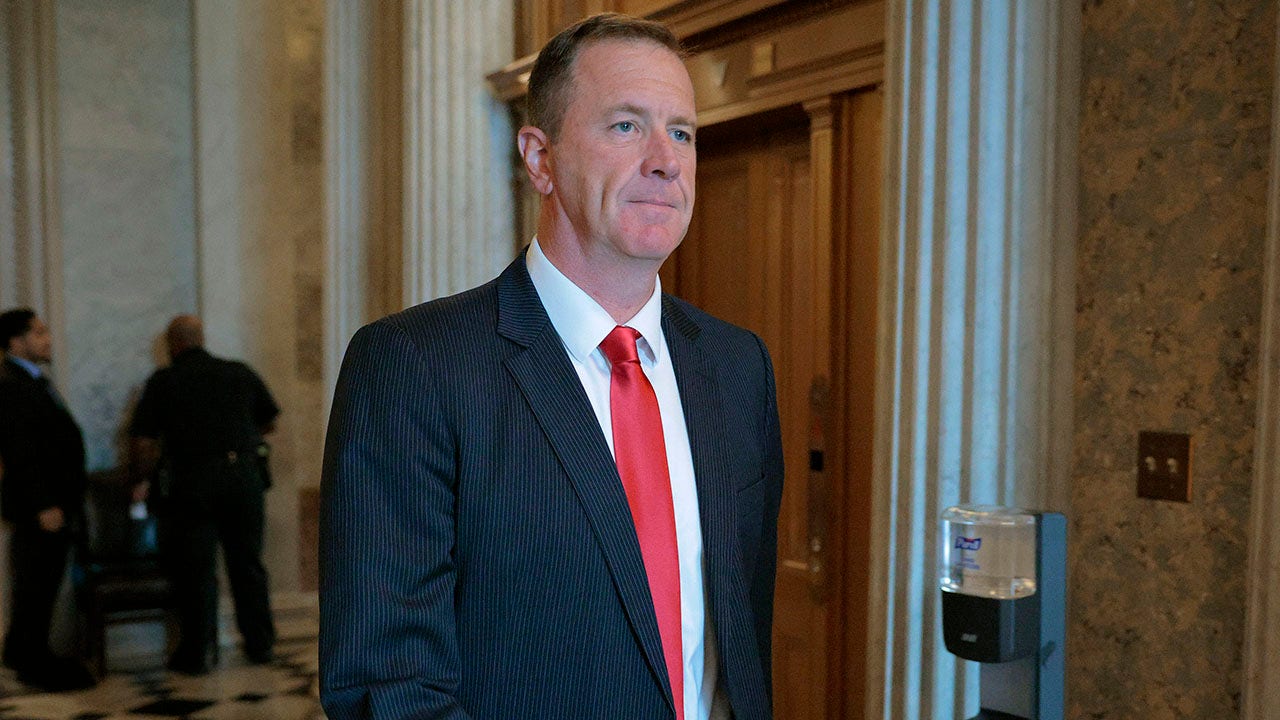
In the wake of two chilling incidents on the same Thursday, Senator Eric Schmitt from Missouri has reignited the debate on American citizenship by advocating for stronger protections against those who abuse the privilege of naturalization. It’s a story that hits close to home for many of us, reminding us how citizenship is more than just a status—it’s a commitment to the values that make our nation strong. Schmitt, stepping into the spotlight again, referenced his proposed legislation, the Stop Citizenship Abuse and Misrepresentation (SCAM) Act, which aims to streamline the denaturalization process for individuals who engage in fraud, serious crimes, or terrorist affiliations. The timing couldn’t be worse, coming right after a naturalized citizen from Lebanon allegedly drove a vehicle into a synagogue in Michigan, and another from Sierra Leone, who had ties to the Islamic State, opened fire at Old Dominion University. These events aren’t isolated; they echo a pattern of violence that shakes our sense of security and prompts us to question who we welcome into our community. As Americans, we value our country’s openness, but incidents like these force us to confront the darker side of that hospitality. Schmitt posted on X, linking his SCAM Act to the SAVE America Act, which would mandate photo ID and documentation like passports for federal voters to ensure only eligible citizens participate in elections. It’s about safeguarding the integrity of our democratic process, but more urgently, it’s about protecting lives. In his words, after passing SAVE, we need SCAM to denaturalize and deport those who hurt Americans, underscoring that naturalization isn’t just a ticket—it’s a sacred trust. This human element is key: We’re talking about real people, families shattered by these acts, and lawmakers grappling with how to balance compassion with caution. The human cost is profound—lives lost, communities scarred—and Schmitt’s push feels like a necessary step toward accountability. Expanding on this, the SCAM Act wasn’t born in a vacuum; it traces back to January, sparked by allegations of fraud in Minnesota involving Somali nationals. Citizenship, Schmitt has always argued, demands a “sincere attachment to our Constitution, upstanding moral character, and a commitment to the happiness and good order of the United States.” Those who fail—by committing felony fraud, serious crimes, or joining groups like drug cartels—disprove their eligibility and put us all at risk. Humanizing this means recognizing the stories behind the headlines: Immigrants coming here with hopes and dreams, only for some to betray that trust in horrific ways. Denaturalization isn’t vengeance; it’s restoration of a privilege earned through true allegiance. For context, these incidents highlight a broader challenge in our immigration system—one that’s been debated for decades. How do we vet potential citizens thoroughly without alienating those who genuinely wish to contribute? Schmitt’s approach emphasizes post-naturalization protections, ensuring that once citizenship is granted, it’s not irrevocable for those who prove unworthy. It’s a conversation that touches on our shared humanity: The desire to protect innocents while upholding fairness. As public figures like Schmitt remind us, American citizenship is an honor, and preserving it means learning from tragedies to prevent future ones. This renewed push comes at a pivotal time, blending urgency with reflection on what makes us American.
The Michigan Synagogue Incident: A Wake-Up Call
Delving deeper into the Michigan attack, 41-year-old Ayman Mohamad Ghazali, originally from Lebanon, reportedly rammed his vehicle into Temple Israel in West Bloomfield Township near Detroit before it ignited. Security officers intervened swiftly, ending the threat by fatally shooting him, preventing what could have been even greater devastation. Ghazali’s journey to the U.S. started innocently enough: He arrived 15 years ago on an immediate relative visa as the spouse of a U.S. citizen, eventually gaining citizenship in 2016 through the Department of Homeland Security’s process. This personal backstory humanizes the broader issue—here was a man who seemingly integrated, but then, in a moment of inexplicable rage or premeditated malice, targeted a place of worship central to Jewish community and faith. Synagogues are sanctuaries, spaces for prayer, celebration, and remembrance, and such an assault feels like an attack on the very fabric of our diverse society. Eyewitnesses described the chaos: The sound of screeching tires, the impact, and then flames— a nightmare that unfolded in seconds. Fortunately, no one at the synagogue was seriously injured due to quick actions, but the psychological toll reverberates. For the Jewish community, events like this evoke painful histories of persecution, making vigilance a constant companion. Ghazali’s background raises questions about how we assess immigrant behavior post-naturalization. Was there a red flag missed? Could better screening have prevented this? Schmitt’s SCAM Act proposes denaturalizing those who commit serious felonies or align with terrorism, effectively expunging their status and deporting them. It’s not just punitive; it’s preventive, ensuring that such acts lead to immediate consequences. Humanizing this means contemplating Ghazali’s possible motivations—deep-seated grievances, radicalization, or personal demons we might never fully understand. Reported connections to extremist ideologies add layers to his story, pointing to how foreign influences can infiltrate our shores. In our interconnected world, terrorism isn’t just overseas; it’s a domestic threat that requires robust responses. Law enforcement praised the synagogue’s security measures, but incidents like this underscore the need for broader societal awareness. Communities are rallying, holding vigils and discussions to foster unity. As one rabbi noted, faith in a higher power and in our fellow citizens will guide healing. This tragedy reminds us that while we cherish freedom, we must balance it with responsibility— a lesson embodied in efforts to reform citizenship laws. Expanding on Ghazali’s path, arriving as a spouse suggests a family-oriented integration, yet something shifted irrevocably. What role did isolation, online propaganda, or unaddressed mental health play? These human elements make the case for comprehensive immigrant support programs, beyond just vetting—counseling, community engagement—to prevent radicalization. The SCAM Act’s focus on denaturalization addresses the aftermath, but proactive measures could prevent these stories from repeating. Senator Schmitt’s invocation of this event ties directly into his legislation, portraying it as essential for American safety. In essence, Ghazali’s action wasn’t just a crime; it was a betrayal of trust, prompting a national conversation on safeguarding our values.
The Old Dominion University Shooting: Echoes of Betrayal
Meanwhile, across the country in Virginia, another naturalized citizen made headlines for carnage—at Old Dominion University, where Mohamed Bailor Jalloh, a 36-year-old originally from Sierra Leone, reportedly shouted “Allahu Akbar” before unleashing gunfire in a classroom. This one student dead, two wounded, and the shooter himself killed in the ensuing confrontation capsizes the optimism of academic environments, places meant for learning and growth. Jalloh’s history adds harrowing depth: Once a member of the Virginia National Guard from 2009 to 2015, when he received an honorable discharge, he later faced conviction for attempting to provide material support to the Islamic State—a stark betrayal of the oath he took to protect our nation. That a former Guardsman could turn against the country raises profound questions about the ripple effects of radicalization, even among those entrusted with our defense. In human terms, imagine the classroom: Students studying, perhaps laughing over a joke or debating ideas, and then gunfire—pure terror exploding in seconds. Survivors recount the panic, the instinct to hide or run, and the heroism of those who helped others. The victim, a young life cut short, might have been dreaming of a future career or family; the wounded now face physical and emotional rehabilitation. Jalloh’s family likely grapples with confusion and shame, wondering where things went wrong. His path from National Guard service to ISIS affiliation illustrates how vulnerabilities—ideological, psychological—can be exploited. This incident, paired with the Michigan one, fuels Schmitt’s call for the SCAM Act, which would strip citizenship from such individuals, potentially deporting them back to origins where they had no lasting roots. It’s a tough stance, but one born from genuine concern for public safety. Denaturalization feels like reclaiming integrity for the credential of U.S. citizenship, especially when someone with prior military ties abuses it. Broader implications extend to how we scrutinize post-service lives of veterans and immigrants alike. Criticism from civil liberties groups might label it draconian, but supporters see it as necessary, mirroring historical precedents where citizenship can be revoked for disloyalty. Humanizing Jalloh’s story means acknowledging any mental struggles or external influences that led to this— perhaps isolation in civilian life, online recruitment, or unhealed traumas from service. Our nation owes a debt to National Guard members, but this underscores the need for ongoing monitoring and support. Lawmakers like Schmitt advocate for laws that denaturalize terrorists promptly, preventing further harm. The university community mourns collectively, with counseling sessions and memorials fostering resilience. Ultimately, these events challenge us to fortify our institutions against internal threats, blending empathy with firmness to honor the trust of citizenship.
Linking Back to Greater Patterns and Previous Incidents
These Thursday attacks don’t stand alone; they connect to a troubling trend of naturalized citizens involved in violence, echoing an earlier Austin, Texas, bar shooting where Ndiaga Diagne, a 53-year-old naturalized citizen from Senegal, killed three and injured over a dozen. Diagne’s rampage outside a bar earlier this month amplifies the urgency, showing how such acts disrupt everyday life—music, laughter, and social bonds shattered in an instant. Schmitt’s SCAM Act arises directly from these patterns, initially spurred by fraud allegations in Minnesota involving Somali nationals, highlighting systemic flaws in citizenship vetting. Each incident humanizes the stakes: Diverse backgrounds brought together in tragedy, from Lebanese, Sierra Leonean, and Senegalese origins, representing the rich tapestry of American immigration. Yet, common threads—potential radicalization, post-naturalization crime—demand action. Citizenship should reflect loyalty, not become a shield for harm. Schmitt emphasizes that true citizens uphold constitutional values, moral character, and societal well-being; those who falter, especially by joining terrorist groups or committing felonies, forfeit their status. Denaturalization, under his bill, becomes a restorative measure, deporting undesirables to protect natives. Critiques argue it might undermine immigrant communities’ trust, disproportionately affecting Muslim or minority groups, but proponents insist it’s about equity—holding all to the same standards. Human stories emerge: Families welcoming newcomers, only to face betrayal, or immigrants striving against odds, their successes overshadowed by outliers. Broader context includes global migration pressures, where U.S. policies influence acceptance. Attorney General Paxton, too, has called for stricter vetting post-Texas, suggesting enhanced background checks and ideological screenings. This collective response aims to prevent repeats, turning lessons into law. FOX News’ coverage emphasizes listening options, inviting broader engagement, while personal accounts from victims’ families evoke empathy. Ultimately, Schmitt’s push fosters dialogue on citizenship’s sanctity, balancing welcome with vigilance in our evolving nation.
The Broader Implications and Legislative Path Forward
Senator Schmitt’s revival of the SCAM Act signifies a legislative stronghold on immigration reform, one that intertwines with SAVE America to shield elections and society. By mandating proof of citizenship for voting, SAVE complements SCAM’s denaturalization provisions, creating a fortified barrier against abuse. Humanizing this involves recognizing stakeholders: Voters ensuring fair elections, immigrants earning genuine belonging, and citizens safeguarding freedoms. Disallowed behaviors—like fraud or terrorism—warrant removal, preserving citizenship’s prestige. Critics warn of overreach, potentially deterring honest applicants, but supporters highlight justice for victims. Incidents like Michigan and Virginia fuel momentum, with bipartisan support possible amid public outrage. Transitioning policy, the Act targets quick revocation post-corruption, involving judiciary oversight for fairness. Psychosocial angles reveal how social media or extremist networks lure vulnerable individuals, necessitating educational campaigns on loyalty. Communities respond with unity, blending cultural festivals with security dialogues. For immigrants, stories of success inspire, yet failures caution. FOX News’ innovative audio features make information accessible, encouraging informed discourse. Overall, Schmitt’s efforts restore faith, transforming crises into codified responsibility for a resilient America.
Reflections on Trust, Unity, and the Future
As we process these heart-wrenching events, the SCAM Act emerges as a beacon for renewal, denaturalizing those who betray America’s trust. From Michigan’s synagogue to Virginia’s campus and Texas’ bar, victims’ legacies drive progress, humanizing reform as compassionate yet resolute. Citizenship, a gift, demands reciprocity—character and commitment over subversion. Former leaders echo this: Alienation risks unilateral harm; integration demands vigilance. Technological aids, like FOX News’ audio, democratize knowledge, fostering empathy amid division. Future-proofing involves holistic approaches: Mental health support, community policing, and global cooperation. Ultimately, Schmidt’s legislation honors victims, uniting us toward a safer, truer America where citizenship reigns supreme.