





Federal Agents Continue Operations in Minneapolis Despite Local Opposition
In the face of growing protests and mounting pressure from local and state politicians, the Department of Homeland Security (DHS) remains steadfast in its commitment to removing what they describe as the “scourge” of criminal elements from Minneapolis streets. Operation Metro Surge, as the initiative is known, continues despite intense opposition from anti-ICE demonstrators who have been particularly vocal following the tragic death of activist Renee Nicole Good. The situation highlights the ongoing tension between federal immigration enforcement priorities and local sanctuary policies, with DHS officials asserting that their primary focus is apprehending individuals with serious criminal backgrounds who pose threats to community safety, regardless of the political obstacles they face.
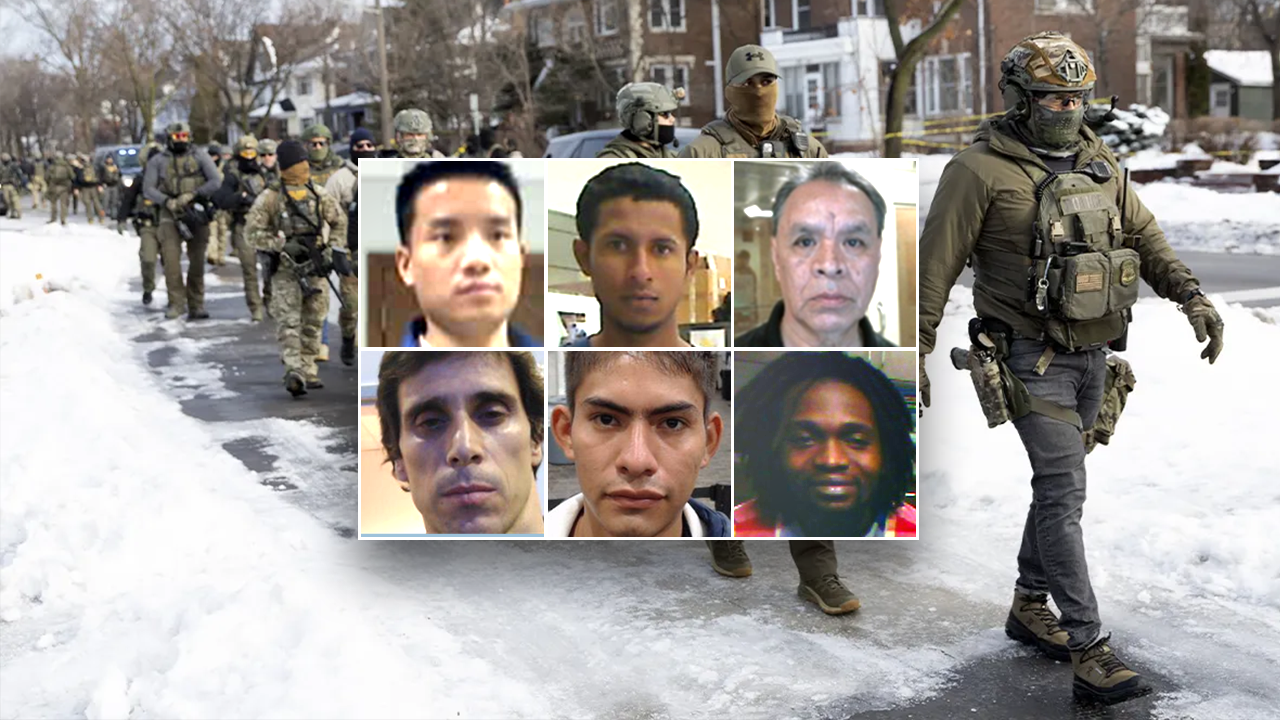
The recent arrests made by federal agents in Minneapolis underscore the nature of their targets – individuals with substantial criminal histories spanning various serious offenses. Among those detained this week was Teng Houa Vang, an undocumented immigrant from Thailand with convictions for domestic assault and guilty pleas for making terroristic threats and violating a protection order. His record reportedly includes additional charges of arson, voyeurism, obstructing police, trespassing, assault, drug possession, and property damage. Nigerian national Michael Opeoluwa Egbele was arrested for fraud and impersonation, while Francisco Salazar-Solorzano from El Salvador faces charges of assault, domestic violence, and driving under the influence. The apprehension of these individuals represents what DHS characterizes as its targeted enforcement approach against those with serious criminal backgrounds rather than indiscriminate immigration raids.
The enforcement actions have also resulted in the arrests of several other individuals with significant criminal histories, including Victor Javier Bahena-Sandoval from Mexico, whose record includes domestic violence charges and multiple disorderly conduct convictions, as well as illegal re-entry. Fellow Mexican national Santiago Antunes Mendiola was detained on battery charges, while Spanish citizen Lorenzo Armillas Llaurado was apprehended following a conviction for felony distribution of controlled substances. These arrests exemplify what DHS Assistant Secretary Tricia McLaughlin described as targeting “the worst of the worst criminal illegal aliens,” suggesting a prioritized approach to immigration enforcement that focuses resources on individuals with records indicating potential public safety concerns rather than those whose only violation relates to immigration status.
The relationship between federal immigration authorities and local Minneapolis officials appears particularly strained, with DHS openly criticizing the lack of cooperation they’ve encountered. McLaughlin specifically called out Governor Tim Walz and Mayor Jacob Frey for what she characterized as their refusal to grant federal agents access to local jails, instead “releasing criminal illegal aliens back into Minnesota neighborhoods to victimize more Americans.” This friction illustrates the broader national debate over sanctuary policies, which limit local cooperation with federal immigration enforcement in an effort to build community trust and ensure immigrants feel safe reporting crimes and interacting with local authorities. The sanctuary approach, embraced by many progressive municipalities including Minneapolis, stands in direct opposition to federal efforts to identify and deport undocumented immigrants with criminal records.
Despite facing what McLaughlin described as “violence against them and a lack of cooperation from sanctuary politicians,” federal agents have remained resolute in their enforcement mission. Their persistence reflects the complex interplay between federal immigration policies and local governance priorities, with each side operating from fundamentally different perspectives on how best to ensure public safety. Federal authorities maintain that removing individuals with serious criminal backgrounds serves the community’s interest regardless of immigration status, while local officials often argue that cooperating with ICE undermines trust in law enforcement among immigrant communities and may make neighborhoods less safe overall by discouraging crime reporting. This philosophical divide continues to define immigration enforcement debates across America, with Minneapolis representing just one flashpoint in a much broader national conversation.
The situation in Minneapolis mirrors similar tensions playing out in cities across the United States, where the boundaries between federal immigration enforcement authority and local autonomy continue to be tested. While DHS officials emphasize their focus on individuals with serious criminal backgrounds, critics of these operations point to concerns about civil rights, family separations, and the potential for erosion of trust between immigrant communities and local institutions. The continuing operations in Minneapolis, despite vocal opposition, demonstrate the federal government’s determination to assert its immigration enforcement priorities even in jurisdictions that have explicitly adopted sanctuary policies. As the situation unfolds, it remains unclear whether any compromise position might emerge that addresses both the legitimate public safety concerns and the humanitarian considerations that animate this contentious debate.