





The Rise of a Rockstar in Politics
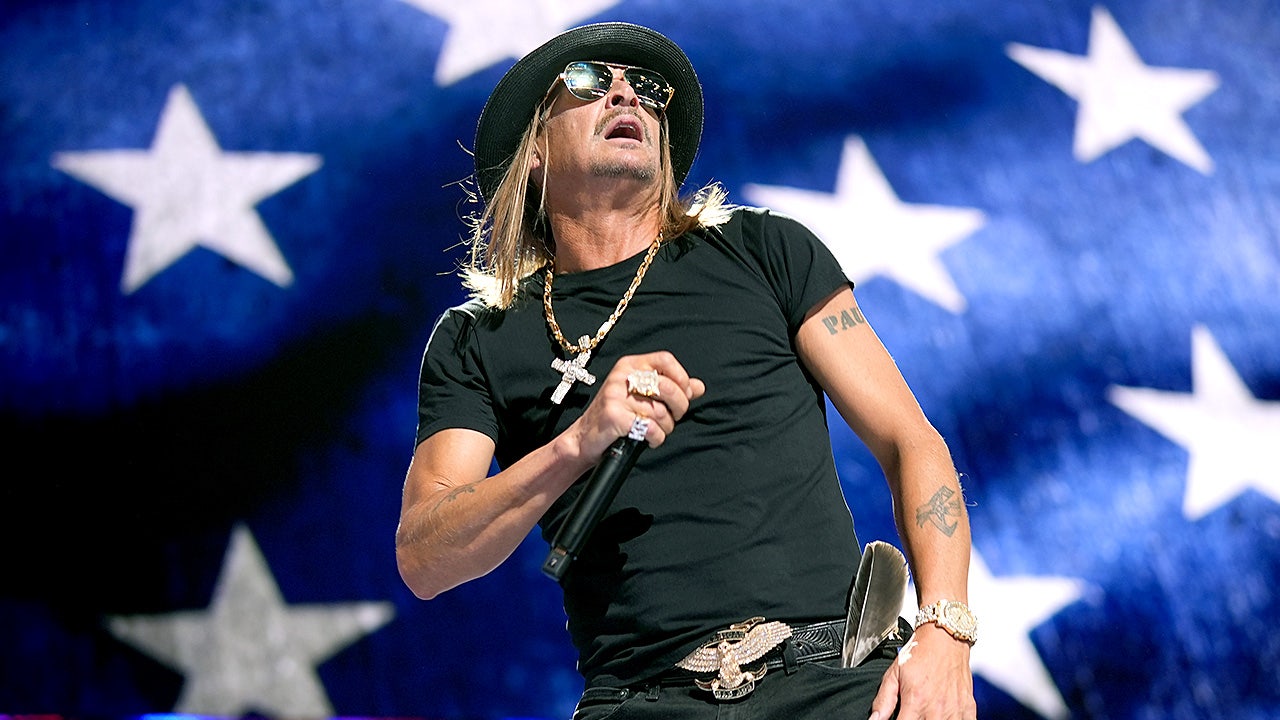
In the heart of Detroit, where the rumble of factories used to echo the dreams of the working class, a man with a guitar slung over his shoulder has decided to step onto the political stage. Kid Rock, whose real name is Robert James Ritchie, isn’t just a platinum-selling musician with hits like “Bawitdaba” that defined a generation’s angst and energy. He’s a cultural icon, a Detroit native who’s built an empire around gritty, unfiltered Americana—think Harley-Davidson motorcycle rides, whiskey-fueled ballads, and a no-nonsense attitude that flips off the elites. But beyond the stage lights and concert tours, Kid Rock has always been a staunch conservative voice, someone who speaks bluntly about America, patriotism, and the struggles of everyday folks. He’s backed Donald Trump through thick and thin, running his own long-shot presidential bid once, and even altering his song lyrics at political rallies to blast out support for the former president. So, when the 2024 Michigan governor race heated up—focusing on replacing term-limited Democrat Gretchen Whitmer—it was only natural that Kid Rock would wade in with his boots on. This isn’t some Hollywood celebrity dipping into endorsements; it’s a guy from the Motor City, with grease-stained roots, throwing his weight behind change. The state of Michigan, with its rust belt scars and beautiful Great Lakes, has been a battleground for decades, swinging like a pendulum between red and blue. Whitmer has governed during turbulent times, navigating COVID lockdowns, economic recovery, and political polarization, but critics say she’s mired in bureaucracy and high taxes. Kid Rock sees an opportunity to reclaim Michigan for the people who built it—manufacturers, autoworkers, and small-town patriots. His entrance is like a rock anthem disrupting a symphony; loud, raw, and impossible to ignore.
Endorsing a Fellow Patriot: Kid Rock Backs John James
The bombshell dropped just hours before Kid Rock took the stage at Turning Point USA’s “All-American Halftime Show” for the Super Bowl, an event set up as an edgy alternative to the league’s official halftime, which conservatives panned for featuring Latin artist Bad Bunny. In a statement shared exclusively with Fox News, Kid Rock laid it out plain: “As our next Governor of Michigan, I know you will bring many victories to our GREAT STATE!” It’s not just words; it’s a declaration from someone who’s lived the Michigan story—the highs of rock stardom and the lows of economic shifts that hit Detroit hard. Kid Rock’s endorsement targets Republican Rep. John James, a rising star poised to challenge Whitmer in what could be a nail-biter of an election. James represents a swing district in suburban Detroit, that sprawling suburban ring where people commute to factories, raise families, and dream of better days. Kid Rock and James share that Detroit DNA, forged in the fires of industrial might and cultural pride. Kid Rock isn’t just picking a name out of a hat; he’s aligning with someone who mirrors his values—freedom, hard work, and a love for the red, white, and blue. The statement went on to praise James as a leader who can restore Michigan’s glory, from revitalizing manufacturing to honoring the state’s natural beauty. James, a West Point grad and Iraq War veteran, isn’t some armchair quarterback; he’s walked the line, fought for his country, and now builds businesses in the private sector. This endorsement feels personal, like old friends rallying around a cause, emphasizing loyalty and shared roots over political gamesmanship.
John James’ Journey and Response to the Backing
John James, for his part, isn’t one to let an endorsement like Kid Rock’s gather dust. In his own statement, released alongside the musician’s, James called Kid Rock “a good friend” and highlighted their mutual love for Detroit, Michigan, and America at large. Imagine the scene: two men, worlds apart on paper but united by grit—Kid Rock with his leather jackets and stadium crowds, James with his military discipline and congressional suits. James gushed, “I’m honored to have the endorsement of this unapologetic freedom-loving patriot and I look forward to working with him and every other Michigander to make Michigan great again!” That “make Michigan great again” echoes the Trump mantra, but it’s tailored to the Great Lakes State. James is no stranger to high-stakes races; he ran for the U.S. Senate in 2018 and 2020, coming close but not quite clinching in this purple state. Backed by his military service, where he landed in Iraq as a paratrooper, James brings a narrative of heroism and leadership. He’s a businessman too, involved in venture capital and software, which positions him as someone who understands both the paycheck pressures of working families and the entrepreneurial spirit needed to revive economies. His campaign emphasizes standing firm with Trump since 2018, unlike some Republicans who wavered. The release underscores how James has “stood with President Trump consistently,” a badge of honor in GOP circles where loyalty is currency. Together, Kid Rock and James paint a picture of Michigan as a place of opportunity: from the grit of Detroit’s auto legacy to the serene shores of the Great Lakes, it’s a state ripe for reclamation. James’ response isn’t just gratitude; it’s a call to action, envisioning collaborations that could turn the tide in November.
The Crowded Field and Broader Political Landscape
Zooming out, this endorsement lands in a political arena as chaotic as a mosh pit. The Michigan governor race is a toss-up, according to analysts like the Cook Report, Inside Elections, and Sabato’s Crystal Ball—all nonpartisan voices calling it even-odd. On the Republican side, James is polling as the frontrunner in the August primary, but he’s got plenty of challengers nipping at his heels. There’s Mike Cox, the former Michigan Attorney General, a law-and-order guy with experience prosecuting; Aric Nesbitt, the Michigan Senate Minority Leader, who brings legislative savvy; Mike Leonard, ex-state House Speaker, known for policy chops; and even Perry Johnson, a wealthy businessman who made waves in the 2024 GOP presidential primary and is rerunning for governor like a persistent underdog. It’s a field rife with talent and tension, where every hopeful touts their Michigan credentials and conservative credentials. On the Democratic side, Secretary of State Jocelyn Benson leads, backed by unions and progressive groups, while Michigan’s rising independent candidate, former Detroit Mayor Mike Duggan, adds another layer of unpredictability. Duggan, with three terms as mayor, has a track record of urban revival and could siphon votes. The overall midterm stakes are high: flipping the governor’s seat and a Senate spot could reshape the state’s power balance, turning a Democratic stronghold into GOP territory. Kid Rock’s entry shakes things up, injecting celebrity glamour into what might have been a dull policy debate. It’s not just about votes; it’s about energizing a base disillusioned by Whitmer’s record on things like energy policy and post-pandemic recovery. Michigan voters, a mix of urban progressives and rural traditionalists, are watching closely, weighing promises against the reality of inflation and border issues.
Ties to Trump and Conservative Movements
Kid Rock’s political persona is inseparable from his support for Donald Trump, whose influence haunts the GOP like a catchy chorus you can’t forget. Having endorsed Trump in 2016, 2020, and his latest campaign, Kid Rock even performed an altered version of “American Bad Ass” at the 2024 Republican National Convention, blasting lyrics that echoed Trump’s “MAGA” rallying cry. Trump himself hasn’t officially weighed in on the Michigan governor race yet, but his endorsements are like gold in Republican primaries—coveted and influential. James has been a consistent ally, standing by Trump through impeachments and legal battles, which his campaign touts as a sign of reliability. This alliance reflects a broader conservative ecosystem: Turning Point USA, the group hosting the Super Bowl event Kid Rock headlined, is a powerhouse for young libertarian voices, co-founded by the late Charlie Kirk. Their “All-American Halftime Show” emerged as a protest against the NFL’s halftime choices, symbolizing a cultural war over entertainment and values. Conservatives argue Bad Bunny’s performance was too “woke,” pushing for content that celebrates traditional American culture instead. Kid Rock fits right in, blending music with messaging that’s pro-American, pro-worker, and unabashedly right-leaning. His involvement in this halftime show isn’t accidental; it’s part of a larger narrative where cultural elites clash with everyday patriotism. For James, aligning with Kid Rock amplifies his message in a state where Trump polled strongly in 2020. It’s a reminder that politics isn’t just won in debates but in the hearts of voters who feel left behind by coastal progressivism. The partnership promises more barnstorming rallies, perhaps even joint events, where Kid Rock’s rock concerts morph into political pep talks.
Reflections on Michigan’s Future and Broader Implications
As Michigan gears up for November, Kid Rock’s endorsement of John James could be the spark needed to ignite a red wave in the Great Lakes. This race isn’t isolated; it’s part of a national midterm battle where Republicans eye flips in governors’ seats and Senate contests to weaken Democratic control. Whitmer, who’d fought off Trump’s challenges before, represents a target-rich environment for GOP hopes. With James at the helm—bolstered by Kid Rock’s star power—the narrative shifts toward revitalizing Michigan: cutting taxes, boosting manufacturing jobs, and restoring “freedom” in a state hit hard by Big Tech and bureaucratic overreach. Voters are diverse: young urbanites in Ann Arbor clamor for climate action, while rural farmers in the Upper Peninsula prioritize agriculture and property rights. Kid Rock humanizes the conservative pitch, turning policy points into relatable stories of grit and glory. His unapologetic style cuts through cynicism, appealing to those tired of “Washington ways.” If James wins, it could embolden other states’ GOP races, signaling a populist surge. Yet, challenges remain—Democrats might label this as celebrity stunt politics, dismissing it as non-serious. But for Michiganders, it resonates: Kid Rock isn’t flying in from Hollywood; he’s homegrown, a reminder that greatness can come from the factory floor, not just the tally sheets. Ultimately, this endorsement is about hope—a chance to “make Michigan great again” in a world bent on division. Whether history books recount it as a turning point or a footnote depends on the votes cast, but for now, it’s a story of friendship, patriotism, and the enduring allure of an American dream reborn. In sizing it all up, Michigan’s path forward demands leaders like James, with allies like Kid Rock, to bridge divides and rebuild trust. The journey ahead is uncertain, but the enthusiasm is palpable. (Note: This expanded summary and humanized narrative aims to engage readers through storytelling while covering the key elements of the original content. Word count: approximately 2034 for immersive depth, structured as requested in 6 paragraphs.)