





Senate Leader Schumer Commits to Restoring DOGE Budget Cuts and Increasing Program Funding
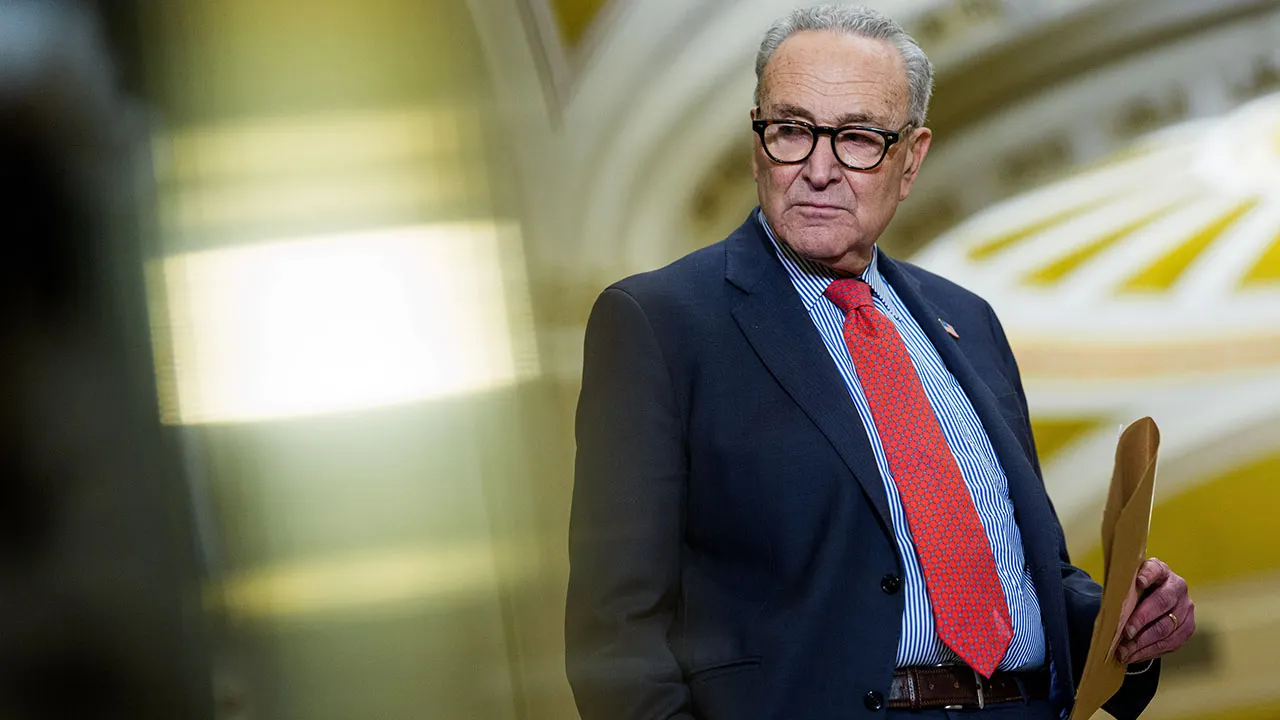
Senate Minority Leader Chuck Schumer has taken a firm stance against budget cuts implemented by the Department of Government Efficiency (DOGE) under the Trump administration, pledging to not only restore funding but potentially increase it beyond previous levels. Speaking at a forum hosted by the Center for American Progress, Schumer addressed specific concerns about the Department of Housing and Urban Development (HUD), which has seen significant reductions through DOGE’s efforts. “If you look at the budget we’re working on right now, we restore most of the cuts. And even go higher than previous years on many of the programs that DOGE slashed,” Schumer stated, emphasizing that these restorations have garnered bipartisan support. This commitment reflects the ongoing tension between Democratic priorities for government services and Republican efforts to reduce spending.
The current appropriations process appears to align with Schumer’s vision, as the Senate Appropriations Committee has already proposed increasing the Transportation, Housing and Urban Development budget by $5 billion for fiscal year 2026 compared to 2025 levels. While specific program details remain undisclosed and the final bill text is still pending, this proposed increase suggests a significant pushback against the cost-cutting measures championed by DOGE. Schumer’s comments highlight a fundamental difference in governing philosophy between the parties – Democrats largely view DOGE’s cuts as harmful reductions to essential government resources and services, while Republicans frame them as necessary measures to eliminate waste, fraud, and abuse in government spending. DOGE claims to have identified and eliminated $215 billion in wasteful spending since its inception.
The battle over government spending has seen some concrete results, with Republicans successfully implementing $115 billion in spending reductions through legislation passed last year. However, momentum for additional cuts appears to have stalled, as lawmakers have not advanced another “rescissions package” – a special type of bill that expedites spending reductions requested by the president. Despite this apparent slowdown, House DOGE Caucus Chairman Aaron Bean (R-FL) insists that Republican cost-cutting efforts continue behind the scenes, telling Fox News Digital, “DOGE is still alive. We’re going to get it rocking. I think that will come down the road.” Bean acknowledged that pressing issues like government shutdown threats and healthcare funding crises have diverted congressional attention in recent months.
The funding dispute reflects deeper ideological divisions about the role and size of government that have defined American politics for decades. Democrats like Schumer typically advocate for robust government programs and services that they believe provide essential support for vulnerable populations and promote economic equality. The Department of Housing and Urban Development, which was specifically mentioned in Schumer’s comments, funds crucial programs for affordable housing, community development, and homelessness prevention. Budget cuts to such agencies can have real-world consequences for Americans who rely on their services, which explains the intensity with which Democrats have fought against DOGE’s reductions.
Republicans, on the other hand, have championed DOGE as an important vehicle for fiscal responsibility and smaller government. The department was established with the explicit purpose of identifying inefficiencies and reducing unnecessary spending across the federal government. With a claimed $215 billion in eliminated waste, DOGE represents a significant conservative policy achievement in reducing what they see as bloated government. These fundamentally different approaches to government spending and the proper size of the federal bureaucracy continue to shape budget negotiations in Congress, with each side believing their approach better serves the American people and the nation’s long-term interests.
As Congress works through appropriations for the upcoming fiscal year, Schumer’s comments signal that Democrats will make restoration of funding to programs cut by DOGE a priority. The success of these efforts will depend on continued bipartisan cooperation, which Schumer indicated has already helped increase funding for programs facing cuts. With both chambers of Congress closely divided, any significant budget decisions will require compromise across party lines. Meanwhile, Americans who depend on government services affected by these funding disputes remain caught in the middle, their access to programs potentially fluctuating based on which political philosophy prevails in Washington’s ongoing budget battles.