





The Shadow of Escalation: A Nation on Edge Before Trump’s Big Speech
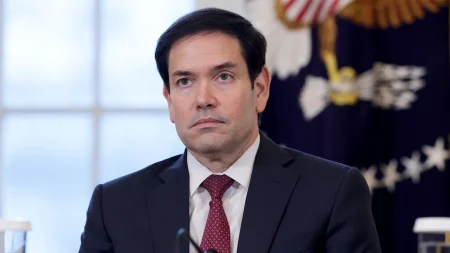
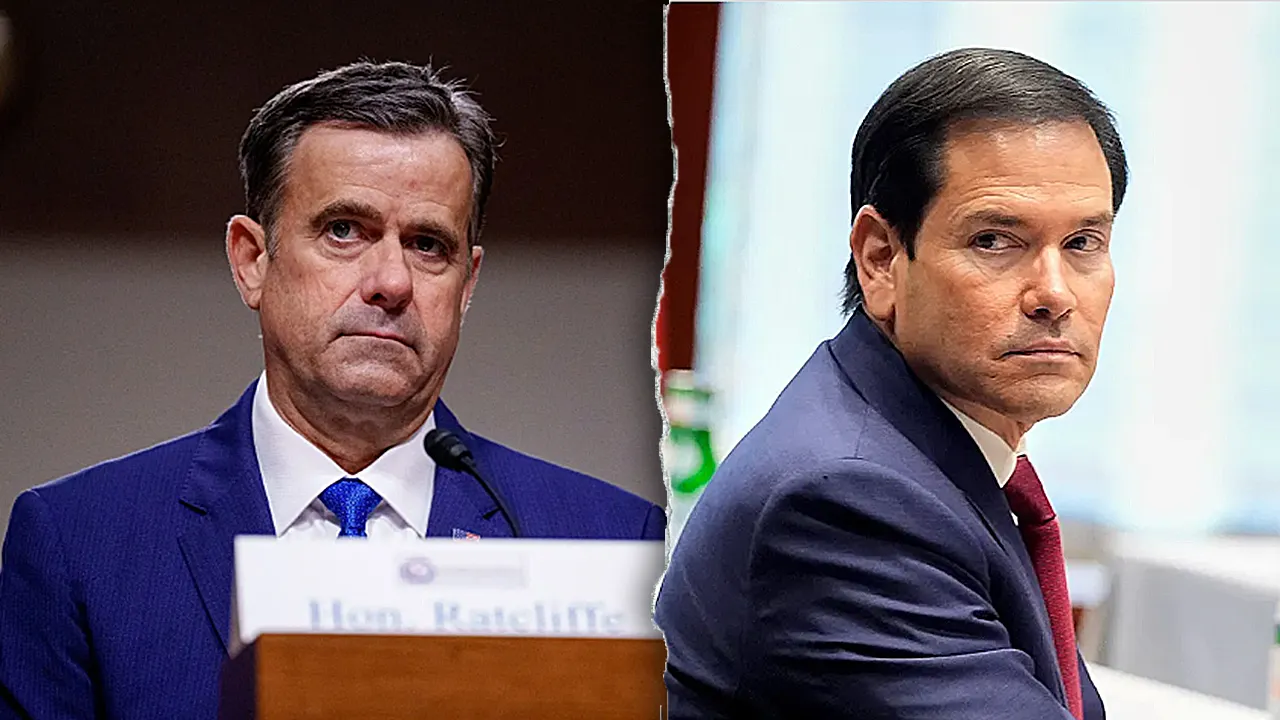
In the hallowed halls of Washington, where decisions can shape the fate of worlds, a tense gathering is set to unfold this Tuesday afternoon. Picture this: Secretary of State Marco Rubio, a man whose steely gaze has witnessed the ebb and flow of global crises, and CIA Director John Ratcliffe, the keeper of secrets whispered in the dead of night, are preparing to sit down with the “Gang of Eight”—those eight titans of Congress who hold the keys to oversight and action. It’s a closed-door affair at the White House, scheduled for 3 p.m., where raw intelligence and candid assessments will be laid bare. At the heart of it? The simmering cauldron of tensions with Iran, a standoff that feels like a powder keg ready to ignite. As President Donald Trump gears up for his annual State of the Union address later that same evening, this briefing serves as a final powwow for the nation’s top minds. Rubio, who doubles as Trump’s national security advisor, isn’t just a bystander; he’s crafted Trump’s foreign policy playbook, blending hawkish resolve with diplomatic finesse. Meanwhile, Ratcliffe’s CIA dossiers—filled with satellite images, intercepted communications, and on-the-ground whispers—will paint a picture of Iran’s maneuvers that could decide America’s next move. The air is thick with anticipation; these leaders are about to immerse themselves in classified details, pondering not just policies, but the lives and legacies at stake. It’s a reminder that behind the suits and titles, real people—families in uniform, diplomats negotiating fates—stand on the precipice of history. This meeting isn’t just about updates; it’s a human drama unfolding, where trust, skepticism, and raw intellect collide against the backdrop of a divided nation watching from afar.
The “Gang of Eight” comprises congressional heavyweights: the House and Senate leaders, the chairs and ranking members of the Intelligence and Armed Services committees. Names like Nancy Pelosi and Mitch McConnell will be there, each bringing their partisan lenses to the table. For Rubio and Ratcliffe, this is no casual chat; it’s a strategic masterstroke to align the executive and legislative branches before Trump’s address. Imagine the room: polished mahogany tables, secure lines buzzing with potential threats, and faces etched with the weight of duty. Rubio, drawing from his Cuban roots and Senate days, might channel personal stories of resilience against oppression to underscore Iran’s defiance. Ratcliffe, a former prosecutor turned intelligence czar, could recount tales from the field, humanizing the data with anecdotes of agents risking it all for America’s safety. This briefing arrives at a crossroads, mere hours before Trump takes the national stage to rally the country. It’s designed to arm these lawmakers with the same classified insights Trump relies on—intelligence on Iran’s nuclear ambitions, military postures, and internal fractures—so they can’t claim ignorance if the president signals escalations. There’s a psychological edge here; by looping them in early, the administration fosters buy-in or defuses potential outrage. Yet, tensions lurk beneath the surface. Pelosi, known for her sharp exchanges with Trump, might grill them on overreach, her voice echoing concerns of families afraid of another endless war. McConnell could probe for red lines, thinking of sons and daughters in the service. It’s a dance of egos and ethics, where human pride and political brinkmanship blur into a tapestry of power games.
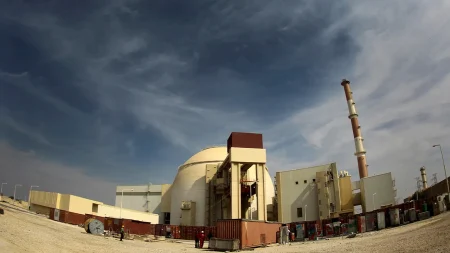
Turning to the crux of the matter, diplomacy remains Trump’s banner, but the path forward is fraught. White House envoys Jared Kushner and Steve Witkoff huddle in Vienna, breathing rarefied air thick with negotiation jargon, pushing for Iran’s full denuclearization and curbs on its ballistic missiles. Last week’s talks yielded slim pickings—no deal, just more dialogue. These sessions aren’t abstract; they involve Iranian counterparts like Foreign Minister Abbas Araghchi, a veteran diplomat whose words carry the weight of a nation scarred by sanctions and isolation. Kushner, Trump’s son-in-law with a family legacy tied to peace efforts, might reflect on his parents’ Jewish heritage, yearning for a deal that secures Israel’s future. Witkoff, a skilled negotiator, could draw from personal negotiations in business to navigate Iranian stubbornness. Yet, progress feels mirage-like. Araghchi revealed a “general agreement on guiding principles,” hinting at shared ground on non-proliferation and economic relief. But trust is eroded; past accords like the 2015 nuclear deal collapsed under Trump’s label of “horrible.” The U.S. stance? Iran must relinquish all enrichment, even for peaceful energy—a bitter pill for a nation that sees nuclear tech as its sovereign right, a beacon of progress amid international bullying. These talks resume Thursday, a lifeline dangling in uncertainty. For everyday Americans, this isn’t just geopolitics; it’s about jobs in oil-dependent towns, soldiers’ reunions delayed, and the moral quandary of sanctioning a people into destitution. The White House frames it as prudence, but whispers of fatigue echo, as families worry about repeating the Iraq saga.
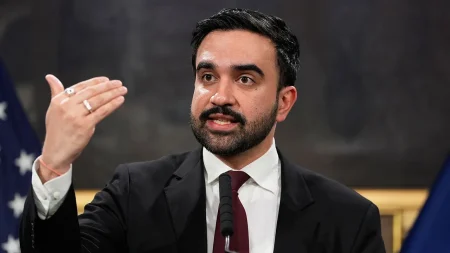
Iran, meanwhile, digs in with defiant resolve, its voice echoing through social media and diplomatic cables. Foreign Minister Araghchi took to X (formerly Twitter) this Tuesday, his post a clarion call: “Our fundamental convictions are crystal clear: Iran will under no circumstances ever develop a nuclear weapon; neither will we Iranians ever forgo our right to harness the dividends of peaceful nuclear technology for our people.” It’s a statement laced with pride and pathos, resonating with Iranians who remember the revolution’s fervor and the Shah’s downfall. Araghchi’s jab at America—”A deal is within reach, but only if diplomacy is given priority”—humanizes the frustration of a beleaguered state, portraying Iran not as villains but as guardians of national dignity. He speaks of lives clipped by U.S. sanctions: children without medicine, scientists dreaming of clean energy to power homes. Last week, he touted progress on principles and planned text drafts, glimpses of compromise in a sea of hostility. Yet, the U.S. refuses concessions on enrichment, viewing any capacity as a stepping stone to weapons. This standoff isn’t just about atoms; it’s about identity. Iranians, proud of their ancient civilization, see the West as imperial overreach, while Americans recoil at ayatollah-dominated exertions. Araghchi’s words invite empathy—imagine a father pleading for his daughter’s future, a nation’s collective soul bared. But skeptics in Washington dub it propaganda, underscoring human biases in interpreting intent. As tensions mount, everyday voices emerge: Iranian dissidents exiled in the U.S., fearing retribution, or American veterans scarred by past conflicts, wary of new flames.
Amid the diplomatic tango, a military shadow looms, the largest U.S. buildup in the Middle East in decades unfurling like a storm cloud. One carrier strike group, led by the USS Abraham Lincoln, patrols the Persian Gulf, its sailors—young men and women far from home—scanning horizons for threats, their families holding vigils back in quieter American towns. Another group under the USS Gerald R. Ford steams toward the fray, a flotilla of might meant to deter aggression. Trump’s administration touts it as a shield for peace, but whispers of “limited strikes” on Iran add to the dread. Reports suggest the president mulls surgical hits—targeted blows to pressure Tehran into submission, not all-out war. Envision this: pilots in cockpits, hearts racing, contemplating missions that could erupt into chaos. Rubio’s briefing might delve into these contingencies, weighing human costs against strategic gains. For Iranian leaders, it’s a gauntlet; perhaps Supreme Leader Ayatollah Khamenei, haunted by past covert ops, sees it as provocation. Americans, too, grapple: a retiree in Texas recalls the Iran Hostage Crisis, fearing relived nightmares, while activists decry waste on armaments over healthcare. This buildup isn’t just numbers; it’s lives disrupted, from submarines housing confined crews to airbases buzzing with fighter jets. Trump’s priority is diplomacy, but the show of force signals resolve. In human terms, it’s a gamble—could a strike spark Iranian reprisals, ensnaring innocents in proxy battles? Families across cultures fear the flip of a coin, where allegiances fracture and extremists thrive. Yet, for some in the administration, it’s deterrence turned hope, a calculated risk to coax Tehran to the table.
As Tuesday fades into Trump’s State of the Union spectacle, the briefing’s timing binds it all together, weaving Iran into the national narrative. Just hours after lawmakers depart with classified nuggets, Trump will ascend the Capitol podium, his address a mirror to the soul of America. Will he herald breakthroughs or harden lines against Tehran? This pre-emptive huddle ensures alignment, gifting Congress the same lens of intelligence that informs his words. It’s a chess move: pre-load the board to silence critics who might cry “unilateralism” if surprises emerge. Imagine the president, pausing for applause as he vows national resolve, his mind replaying Ratcliffe’s maps and Rubio’s briefs. For viewers tuning in—families gathered around TVs, veterans listening intently—it’s more than politics; it’s a promise to their security. The speech could redefine U.S.-Iran relations, perhaps advancing peace or edging toward conflict. Rubio’s session underscores oversight as a human pact, where leaders consult before risking blood and treasure. But divisions persist: Democrats might push for multilateralism, Republicans for strength, their exchanges a microcosm of America’s frayed unity. As Iran watches from afar, their diplomats parsing every phrase, this moment crystallizes hopes and horrors. In the end, it’s about people—policymakers bearing the burden, citizens praying for calm, a world hoping diplomacy prevails over the siren call of war. With Iran at boiling point, Trump’s words could chart a course of reconciliation or retribution, reminding us that history’s pivot hinges on such human convergences.