





The High-Stakes Defense: Rubio Stands Firm on Venezuela’s Bold Sting
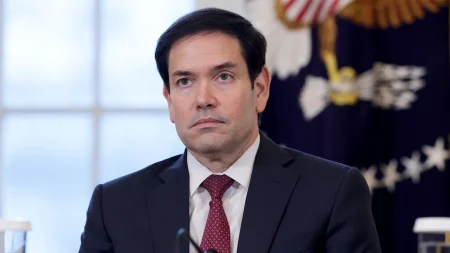
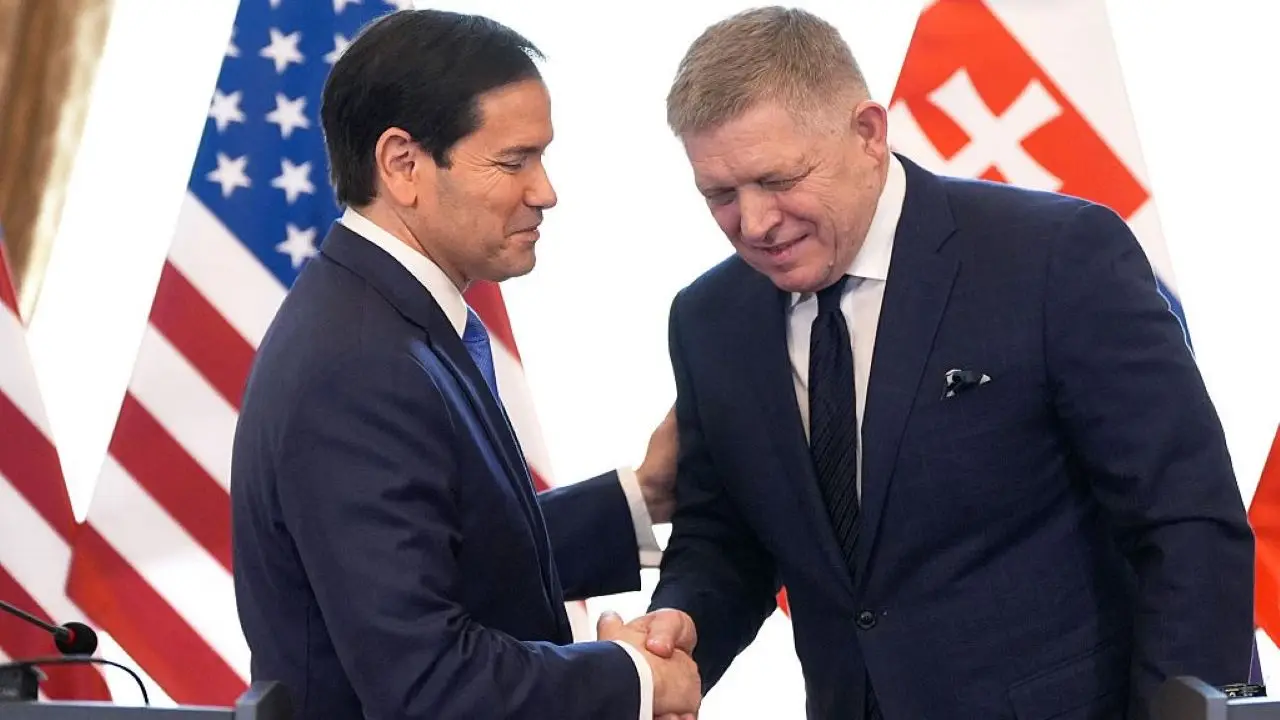
Imagine a tense press conference in a bustling European capital, where diplomats from different worlds are trying to bridge ideals amid global tensions. That’s the backdrop for Secretary of State Marco Rubio’s fiery defense of the U.S. operation that nabbed former Venezuelan President Nicolas Maduro. It was a moment that blended diplomacy with a raw sense of American grit, as Rubio addressed criticism head-on during a joint appearance with Slovakian Prime Minister Robert Fico. A reporter, perhaps hoping to spark controversy, brought up Fico’s past gripes about the U.S. raid on Maduro, asking if either leader regretted it. But Rubio wasn’t having it—he pivoted sharply, accusing the journalist of playing divide-and-conquer games. “I think you asked him a question in order to, like, see if you can get him against us, or something… A lot of countries didn’t like what we did in Venezuela. That’s okay. That was in our national interest,” Rubio shot back, his voice steady and unapologetic. It’s the kind of candid rebuttal that reminds you why Rubio, with his Cuban-American roots and sharp tongue, has become a cornerstone in Trump’s assertive foreign policy team. In the world of international relations, where alliances are fragile and every word counts, Rubio’s approach was less about evasion and more about embracing reality: sometimes, powerful actions ruffle feathers, but that’s the price of protecting what’s dear. This wasn’t just about Maduro; it was about reaffirming that the U.S. doesn’t shy away from doing what’s necessary, even if it means disappointing allies temporarily. Rubio turned to Fico, a former ally who’s voiced discomfort with such unilateralism, and said it plainly: “I’m sure there’s something you may do one day that we don’t like, and we’ll say we didn’t like that you did this. So what? That doesn’t mean we’re not going to be friends, we’re not going to be partners.” It’s a humanizing touch—acknowledging that friendships endure despite disagreements—a far cry from sterile statecraft. Forbes once called Rubio the “fellah from Miami” in his rise from Congress, and this press conference showcased that everyman swagger, laced with the toughness of someone who’s seen dictatorships up close. British press like The Guardian criticized the operation as “troubling U.S. overreach,” but for Rubio and Trump alike, it’s about results, not applause. As the room buzzed with that exchange, you could feel the undercurrent of realpolitik: in geostrategy, alliances aren’t eternal hugs; they’re pragmatic bonds tested by events like this Venezuelan gambit. Rubio, ever the realist, didn’t mince words—support doesn’t mean blind agreement, and national interest trumps fleeting harmony. It’s a philosophy that echoes America’s post-World War II playbook, where actions like the Bay of Pigs or Grenada interventions stirred backlash but reshaped landscapes. Here, Maduro’s removal was framed as a victory for freedom, not just geopolitics, a narrative Rubio wove with personal conviction. Fico, standing there with his European pragmatism, nodded along, perhaps realizing that in Trump’s America, diplomacy sometimes wears combat boots. The reporter’s question hung in the air, but Rubio had flipped it, turning potential division into a lesson on resilience. In the end, this wasn’t just about Venezuela—it was Rubio reminding everyone that America acts decisively, even if the world grumbles. And in that mail, in a world full of squabbles over sanctions and summits, Rubio’s plain-spoken rebuttal felt refreshingly honest, like a father telling his kids that tough love sometimes means unpopular choices.
Unearthing the Narco-Terrorist: Why Maduro’s Capture Mattered
Diving deeper into Rubio’s words, it’s clear this operation wasn’t just a flashpoint for diplomatic drama—it was rooted in a long-simmering threat that Venezuela’s neighbors felt in their bones. Rubio called Maduro a “narco-terrorist,” a label that’s earned widespread agreement among analysts who’ve tracked his regime’s descent into chaos. For years, under Chavez and then Maduro, Venezuela morphed from a top oil producer into a narco-state, with coffers filled by drug lords and influence peddlers. Rubio laid it out: the U.S. made Maduro “a bunch of offers,” presumably for surrender or reform, but nothing stuck. The capture, then, wasn’t an ambush; it was the culmination of patient pressure. Humanizing this, think of it as a story of a once-vibrant nation held hostage by a tyrant—oil-rich Venezuela, where bread lines stretched for miles and children scraped by on dreams deferred. Maduro’s iron grip turned Caracas into a fortress, not a hub of prosperity, with human rights abuses that Amnesty International documented relentlessly. Rubio’s defense humanizes the stakes: this wasn’t impersonal geopolitics; it was about liberating a people from a leader who weaponized hunger and fear. European allies like Fico might frown, viewing it as Yankee arrogance, but Rubio’s point resonates—like an uncle stepping in when a family member’s spiraling out of control. The operation’s details paint a vivid picture: Special Forces blasting through steel doors “like paper-maché,” as Trump later described it. It’s the stuff of action movies, but Rubio ties it to tangible gains—Venezuela’s awakening after Maduro’s absence. Yes, “a lot of countries didn’t like what we did,” he admitted, but success speaks louder. In the six weeks since Maduro’s helicopter ride out of there, Venezuela’s currency has stabilized a bit, markets hummed with potential, and democratic voices dared to speak. Rubio notes, “There’s still much work that needs to be done,” but the contrast is stark: no more midnight raids by regime goons, fewer forced exiles. For ordinary Venezuelans, this humanizes the mission—hope replacing dread in the alleys of Caracas. Critics, including Maduro’s leftist defenders, cry “interventionism,” pointing to Bolivia’s Morales or Libya’s Gaddafi as cautionary tales. Yet Rubio counters with pragmatism: “We have very close allies that didn’t like what we did in that regard. I can tell you what, it was successful.” It’s a worldview shaped by Rubio’s life—fleeing Castro’s Cuba as a kid taught him that waiting for perfect consensus means eternal tyranny. This capture, then, isn’t just a win; it’s a lifeline, proving that bold actions can uproot entrenched evil. As Venezuela tiptoes toward free elections and economic recovery, Rubio’s narrative invites reflection: in a fractured world, sometimes a decisive strike is the spark for reform.
Trump’s Boast: Celebrating the Warriors Who Made It Happen
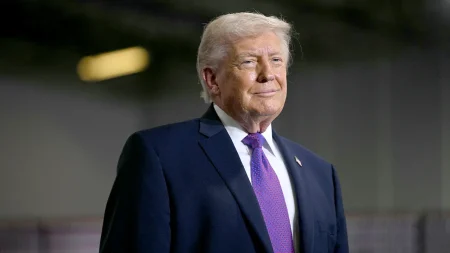
Shifting gears from the press room to a heartfelt tribute, President Donald Trump couldn’t help but rave about the real heroes of this Venezuela saga: the U.S. Special Forces who pulled off what he called a “matter of minutes” miracle. Speaking at Fort Bragg, North Carolina—a military shrine where America’s elite train—Trump honored the families and fighters who risked everything for this high-risk heist. “It was in a matter of minutes before (Maduro) was on a helicopter being taken out of there,” he recounted, his signature hyperbole painting vivid scenes of adrenaline-fueled bravery. The doors they blasted through weren’t just barriers; they symbolized the regime’s false veneer of power, crumpling “like paper-maché.” This isn’t dry military jargon—it’s Trump humanizing warriors as nearly superhuman, dodging bullets and breaking codes in a hailstorm of gunfire. No U.S. casualties, he emphasized, despite Maduro hunkering down in a “heavily-armed military base,” a detail that underscores the precision and superiority of American tactics. Trump recalled how the team swooped in before Maduro could reach his “big safe,” and even if he had, their gear would’ve cracked it like eggshells. It’s a testament to the unsung skill of these operators, trained in the shadows of bases like this one, where families sacrifice holidays and dreams for duty’s call. Trump, with his love for military pageantry—remember his rallies where he hails “our great vets”—turned this into a morale booster, acknowledging the wives and kids who endure separations so others can sleep safely. “These guys blasted through every door,” he boasted, evoking images of movies like Zero Dark Thirty, but realer, rawer. For veterans like those at Fort Bragg, this event was cathartic—a reminder that their sacrifices pay off, not in parades alone, but in tangible victories like dethroning dictators. Critics decry “imperialism,” yet Trump’s words humanize the flip side: these are fathers, sons, brothers embodying the best of America. In his speech, the operation became a fable of American might, downplaying risks to highlight triumphs. Venezuelan exiles in Miami, whose stories of loss fueled this mission, probably grinned at the irony—Maduro’s palace comforts traded for a New York jail cell. Trump’s flair for drama made it unforgettable, turning geopolitics into a blockbuster tale of guts and precision. As he concluded, the crowd understood: this wasn’t just about capturing a criminal; it was about asserting that evil empires can fall swiftly when forged men act decisively. In a polarized era, Trump’s ode to troops bridges divides, reminding us that patriotism transcends politics.
Venezuela’s Dawn: A New Era Since Maduro’s Fall
Fast-forward to the heart of the matter: what does Maduro’s absence mean for Venezuela? Rubio, with a diplomat’s optimism tempered by realism, painted a cautiously hopeful picture—six weeks post-capture, and the country’s not just surviving; it’s tentatively thriving. “Look what’s happened in Venezuela in the six weeks since he’s been gone,” he noted, acknowledging hiccups but celebrating progress. Oil reserves are being unlocked, with reports that millions of barrels are set for U.S. hands—a Trump-announced deal that’s already boosting pumps and pocketbooks. Humanizing this transformation, think of the families whose daily battles eased as rationing loosened and electricity flickered back reliably. Maduro’s kleptocracy hoarded wealth for elites while the masses starved; now, interim leaders are tiptoeing toward democracy, with opposition voices gaining volume on streets once patrolled by secret police. Rubio didn’t sugarcoat it: “There’s still much work that needs to be done,” he warned—no quick fixes for corruption’s scars—but the contrast is undeniable. Bloomberg’s analyses show inflation easing, foreign investment trickling in, and a populace exhausted by 25 years of chavismo finally breathing freely. For the average Venezuelan farmer or teacher, this means more than stats: it’s hope for a future where kids grow up envisioning careers, not cries. Critics like leftist think tanks claim this is U.S.-imposed chaos, but Rubio’s defense points to organic shifts—instant freer press, fewer arbitrary detentions. Schengen-area nations might criticize the op as destabilizing, raising fears of Cuban-style reliance or migrant surges, but Rubio argues it’s the opposite: a path to stability. Trump’s administration has pounced, with State Dept moves to resume diplomatic ties, signaling real investment. Imagine Caracas cafes buzzing not with whispers but with debates— that’s the human promise Rubio highlighted. Yes, gangs and graft linger, but “Venezuela is much better off today than it was six weeks ago,” as Rubio asserted. This isn’t blind cheer; it’s acknowledging that dictators block pathways to prosperity. In Rubio’s narrative, the operation gifted a nation its “opportunity at a new future,” one stolen under Maduro. As elections loom, this shift humanizes global justice—nations playing interventionist roles can catalyze change if motives are pure. For exiles who’ve dreamed of return, it’s a redemption story, proving that perseverance against tyranny yields light.
The Legal Storm: Maduro’s Manhattan Caged Haven
Meanwhile, back in the concrete canyons of New York City, Nicolas Maduro sits in the Metropolitan Detention Center, a far cry from his Caracas palace, facing a battery of federal charges that read like a thriller plot: narco-terrorism conspiracy, cocaine-trafficking, and weapons offenses. The U.S. indictment details how his regime facilitated drug shipments worth billions, turning Venezuela into a transshipment hub for South American cartels. It’s a story of power’s corruption, humanized by tales of villagers terrorized by armed enforcers loyal to Maduro’s clique. Whirled away in that helicopter, escorted by operators who viewed him not as a statesman but a scourge, Maduro now navigates U.S. courts—a stark reversal from the propaganda machine he once commanded. State media once hailed him as Venezuela’s savior; now, he’s inmate number wone, with Fox News’ Emma Colton reporting on the “limited number” of U.S. personnel in Caracas nudging for full diplomatic reinstatement. Humanizing this fall, consider Maduro’s wife Cilia Flores, once the power behind the throne, now sharing his legal limbo—she’s a lawyer whose ambitions fueled family feuds in Caracas high society. Charges allege schemes where submarines smuggled coke and traffickers bribed officials, all under Maduro’s sway. For prosecutors, it’s justice for victims: Colombian farmers coerced into plantations, American addicts overdosing on Venezuelan-sourced blow. Trump’s tweets chanting “Violation” echo public fury, but Rubio’s cooler tone assures due process. In Brooklyn’s courts, this case could set precedents for extraditing dictators, deterring future tyrants. Yet, mercy pleas from Maduro loyalists humanize the pain— family’s separation amid exile. Venezuelans far-flung, from Caracas slums to Miami enclaves, watch intently, hoping truth emerges without further division. This detention isn’t gloating; it’s accountability, a human reminder that absolute power corrupts, and humility awaits at the end. As trials approach, global eyes note Aide’s fate could redefine accountability.
Reflections on Victory and Warnings Ahead
Wrapping it up, Rubio’s defense and Trump’s accolades spotlight a bold chapter in U.S. foreign policy, one where action trumps endless talks. The Venezuela operation humanizes themes of courage, accountability, and rebirth—Special Forces as modern knights,Venezuelans reclaiming agency. Yet, Rubio’s caveat stands: “I know some will disagree,” but reality favors results. Nations like Slovakia’s Fico, with ties to Russia’s sphere, may balk, viewing it as hegemonism. Humanizing the broader impact, this sets a tone for Trump’s second term—proactive, not passive. Oil flows, charges mount, but challenges like elections loom; Venezuelans must own healing. For America, it’s pride in a job well-done, no blood spilled. Critics warn of escalation, but Rubio’s words echo: friends endure, interests persist. In this unpredictable world, Venezuela’s story inspires—showing that even entrenched darkness can yield hope. As diplomacy resumes, let it be a lesson in resilience.