






Redistricting Battle Heats Up as Parties Jockey for Position Ahead of 2026 Midterms
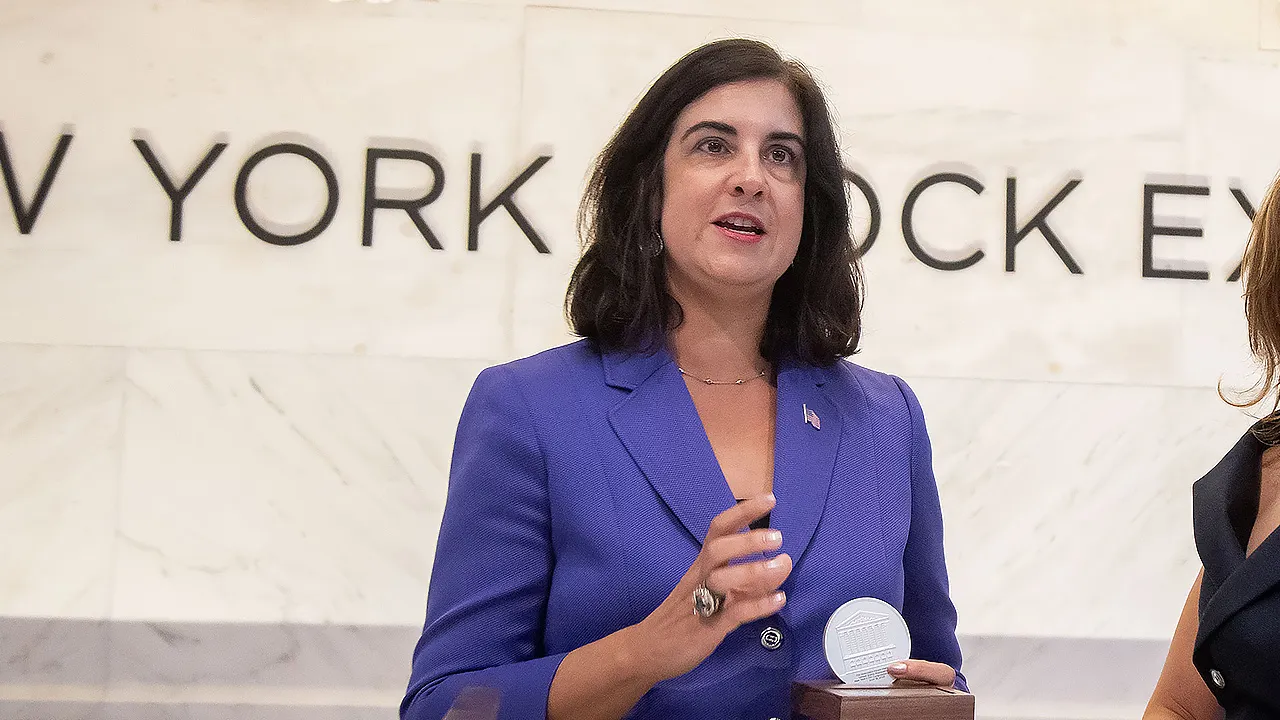
In a significant development that highlights the growing intensity of America’s electoral map battles, Republicans are challenging a New York judge’s recent decision to invalidate the congressional district lines for Rep. Nicole Malliotakis. The judge ruled that the current map for her Staten Island and Brooklyn district unfairly diminishes the voting power of Black and Hispanic residents, ordering New York’s Independent Redistricting Commission to create new boundaries by February 6. This decision has prompted Republicans to file appeals in multiple courts, including the state’s highest Court of Appeals, which previously ruled against a Democrat-favored map. The timing and outcome of this case could have meaningful implications for control of the House of Representatives, where margins remain razor-thin.
This New York redistricting fight represents just one flashpoint in a nationwide struggle for electoral advantage that’s intensifying as both parties eye the 2026 midterm elections. The political stakes couldn’t be higher—Democrats need a net gain of only three seats to reclaim control of the House from Republicans, who are defending their slim majority. This arithmetic explains why both parties are aggressively pursuing redistricting opportunities across the country. In Texas and California, for example, lawmakers have proposed new maps that could deliver approximately five additional seats to Republicans and Democrats respectively, demonstrating how this practice extends well beyond New York’s borders and affects the national balance of power.
Virginia presents another fascinating case study in this redistricting chess match. The Virginia State Senate recently approved a constitutional amendment that would transfer map-drawing authority from a non-partisan commission back to the Democrat-controlled legislature. If voters approve this measure in the spring, Democratic lawmakers would gain the power to redraw the state’s congressional boundaries through 2030—potentially creating up to four additional Democratic-leaning districts. This would represent a significant shift in a state where Democrats currently hold six of eleven congressional seats, and it illustrates how the rules governing redistricting themselves have become political battlegrounds.
The battleground extends to other states as well, with Republican-controlled legislatures in Missouri, Ohio, and North Carolina actively redrawing maps as part of a broader midterm strategy aligned with former President Donald Trump’s political objectives. Florida represents perhaps the most ambitious Republican redistricting effort, with Governor Ron DeSantis and state lawmakers pushing for changes that could yield an additional three to five Republican seats. These efforts will be considered during a special legislative session scheduled for April, potentially reshaping Florida’s congressional delegation in ways that could have a decisive impact on the balance of power in Washington.
What makes these redistricting battles particularly consequential is the backdrop of extreme partisan polarization and historically tight margins in Congress. The current House of Representatives is controlled by Republicans with just a handful of votes to spare, meaning that even small shifts in a few districts could determine which party holds the speaker’s gavel after 2026. Both parties recognize this reality and are accordingly deploying extensive legal and political resources to secure favorable maps. Each court decision, commission ruling, and legislative action represents not just local jockeying but moves on a national chessboard where control of federal policy-making hangs in the balance.
These redistricting contests also raise profound questions about democracy and representation that extend beyond partisan advantage. When judges rule that maps dilute minority voting power, as in the Malliotakis case, they highlight tensions between partisan interests and constitutional protections for equal representation. Similarly, debates about whether independent commissions or partisan legislatures should draw district lines reflect competing views about what constitutes fair electoral processes. As these battles continue through courts and statehouses, they will not only shape the outcome of the 2026 midterms but also help define American democracy’s operating rules for years to come. The resolution of these conflicts will determine not just who wins particular seats, but how responsive our political system remains to the diverse communities it serves.