






The Clinton Controversy: New Developments in the Epstein Investigation
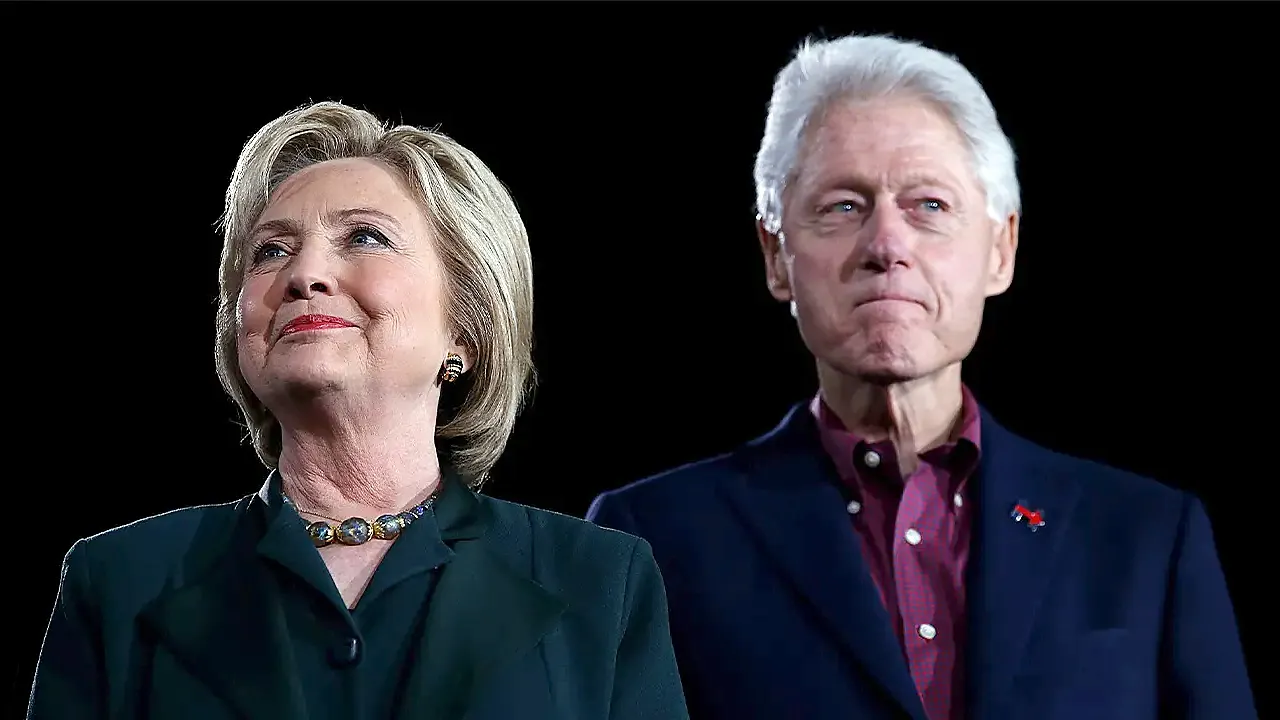
In a dramatic escalation of the ongoing Jeffrey Epstein investigation, House Oversight Committee Chairman James Comer has announced plans to initiate contempt of Congress proceedings against Bill and Hillary Clinton for allegedly ignoring congressional subpoenas. The subpoenas, approved by a bipartisan House Oversight Subcommittee in July and officially issued in August, requested the Clintons’ testimony regarding how the federal government handled Epstein’s sex trafficking case. According to Comer, the former president and former secretary of state were scheduled to testify on December 17-18, but have spent “more than four months” engaged in what he characterizes as delay tactics, obstruction, and largely ignoring staff efforts to schedule their testimonies. This confrontation represents a significant moment in the ongoing investigation, with Comer stating bluntly that if the Clintons fail to appear next week or schedule dates for early January, formal contempt proceedings will begin.
The Clinton Foundation responded to these accusations by directing inquiries back to Chairman Comer, suggesting he should share a letter they sent him and questioning why he hasn’t responded to it. However, they did not provide a copy of this referenced letter to journalists. A spokesperson from Comer’s office fired back, claiming the Clintons “think they are above the law” and are using “dilatory tactics” to avoid their depositions. The spokesperson emphasized that the committee has communicated a clear ultimatum: appear next week, provide January dates, or face contempt proceedings. “They’ve been dragging their feet for over four months. Time’s up,” the spokesperson declared, highlighting the increasing tension between the prominent political family and the congressional committee.
This confrontation comes at a particularly sensitive moment, as House Democrats on the Oversight Committee have just released a new collection of photographs obtained from Epstein’s estate. These images reportedly show the disgraced financier with powerful figures, including both former President Trump and former President Clinton. The release of these thousands of images, with the suggestion that more may follow, adds another layer of public scrutiny to an already high-profile investigation. The timing of these photo releases in relation to Comer’s contempt threats creates a politically charged atmosphere around the entire investigation, with implications for figures across the political spectrum.
The scope of the Oversight Committee’s investigation extends well beyond just the Clintons, however. The committee has also subpoenaed numerous other high-profile political figures, creating an unprecedented gathering of powerful individuals for congressional testimony. Those subpoenaed include former FBI Director James Comey, former Attorneys General Loretta Lynch, Eric Holder, William Barr, Jeff Sessions, and Alberto Gonzales, current Attorney General Merrick Garland, and former Special Counsel Robert Mueller. This comprehensive approach suggests the committee is examining how multiple administrations and Justice Department leaders handled the Epstein case over an extended period, seeking to understand potential systemic failures or deliberate decisions that may have affected the prosecution of Epstein’s crimes.
Beyond seeking testimony from these prominent individuals, Chairman Comer and the Oversight Committee have demanded extensive documentation from the Department of Justice. Their subpoenas request all documents and communications pertaining to the case against Epstein, creating a massive information-gathering effort. The committee reported that in September, the DOJ released tens of thousands of pages of Epstein-related records in compliance with the subpoena. According to the Oversight Committee, the Justice Department is continuing to produce additional records as it works through necessary redactions and other procedural requirements before public release. This document collection represents a significant part of the investigation, potentially revealing internal discussions and decision-making processes that occurred behind closed doors.
The investigation into how the federal government handled the Epstein case touches on deeply disturbing allegations of sex trafficking and abuse involving many young victims. Epstein, who died in jail in 2019 while awaiting trial on federal sex trafficking charges, and his associate Ghislaine Maxwell, who was subsequently convicted and imprisoned, are at the center of what Comer described as “horrific crimes.” The committee’s work appears aimed at understanding whether powerful figures received preferential treatment or whether systemic failures allowed Epstein’s criminal enterprise to continue for years despite numerous red flags and allegations. As the investigation continues to unfold with the potential contempt proceedings against the Clintons, the release of more photographs and documents, and upcoming testimony from numerous high-profile witnesses, the American public may finally get more insight into one of the most disturbing and mysterious criminal cases in recent memory, one that has long been surrounded by allegations of influence, power, and preferential treatment.