


Congress Faces Tight Timeline for Major Legislation as Year-End Approaches
Congressional leaders are racing against the clock as they confront multiple pressing issues before year’s end, with healthcare fixes, spending bills, and unexpected debates on college sports all competing for limited legislative time.
“I’m literally thinking and watching the clock in front of me tick,” Senator Lisa Blunt Rochester (D-Delaware) remarked, capturing the growing anxiety on Capitol Hill. The pressure is particularly intense regarding healthcare premiums, which are set to spike without congressional intervention. Senate Minority Leader Chuck Schumer didn’t mince words about the situation, declaring that “Republicans are sleepwalking America straight into a healthcare crisis.” Meanwhile, government funding remains unresolved, with Representative Mike Simpson (R-Idaho) acknowledging, “We still have a lot of work to do” on bills needed to avoid a partial government shutdown in late January. These critical issues have lawmakers questioning why precious floor time was recently allocated to seemingly less urgent matters.
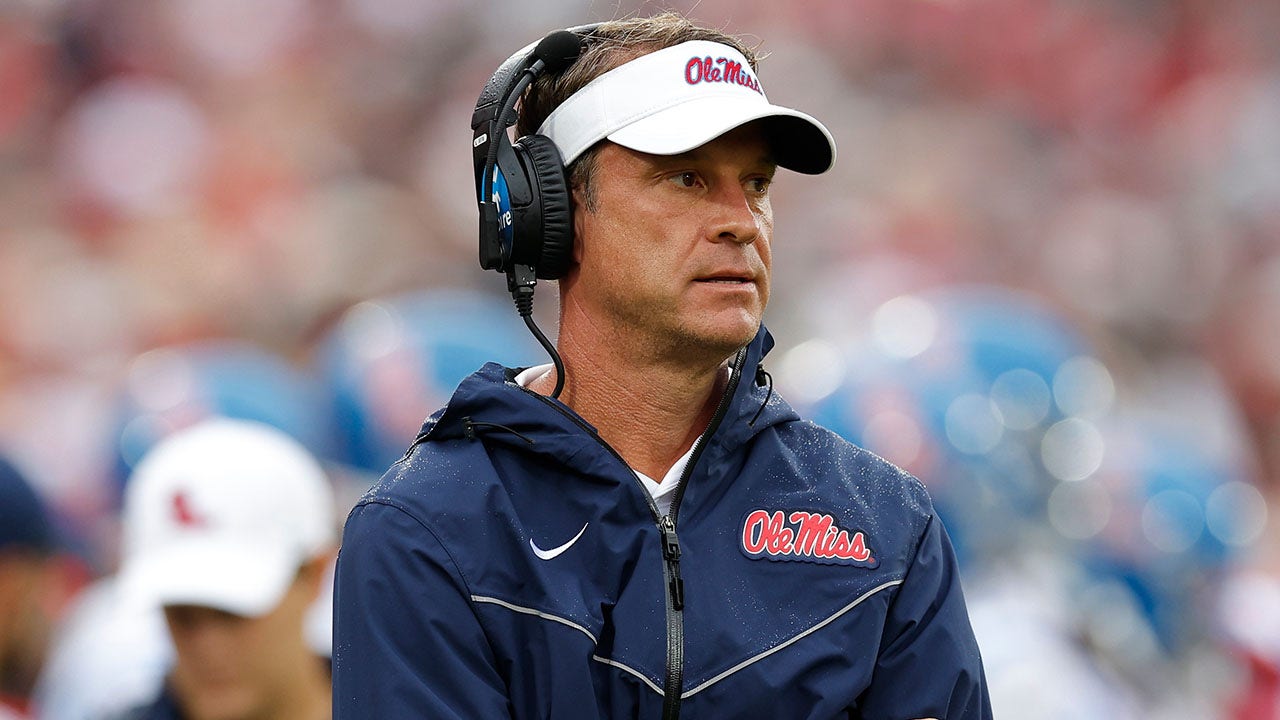
The controversy over congressional priorities peaked last week when House leadership scheduled debate on a bill regulating name, image, and likeness (NIL) compensation in college sports—just as football coach Lane Kiffin left Ole Miss for a $91 million contract at LSU. House Minority Leader Hakeem Jeffries raised eyebrows by directly questioning the timing: “Who exactly directed Mike Johnson and Steve Scalise to bring this bill to the floor this week? Was it the big donors connected to LSU?” Both Speaker Johnson and Majority Leader Scalise are LSU graduates and devoted fans of the university’s athletic program. When pressed about these implications, Jeffries clarified he wasn’t making specific allegations but rather questioning the judgment of prioritizing this legislation amid crucial deadlines for government funding and healthcare fixes.
Republican leadership ultimately pulled the NIL bill from consideration after struggling to secure enough votes. Scalise insisted the decision had “nothing to do with Lane Kiffin or any particular school,” explaining instead that the “bipartisan coalition which supported the bill was fragile.” The legislation would have established national standards for how student-athletes can profit from their name, image, and likeness—a move supported by major athletic conferences like the SEC and Big Ten but opposed by smaller schools concerned about competitive disadvantages. Representative Chip Roy (R-Texas), who had reservations about the bill, nonetheless argued that Kiffin’s abrupt departure perfectly illustrated “how broken this whole system is,” calling the situation “an absolute abomination.”
The NIL legislation aimed to create uniform regulations replacing the current patchwork of state laws governing student-athlete compensation. Supporters like Representative Morgan Griffith (R-Virginia) defended it as “affirming student-athletes’ right to profit from their name, image, and likeness” while preventing athletes from “jumping from team to team” due to different state regulations. The bill would have mandated revenue sharing and prohibited schools from using student fees to fund NIL payments. Critics, however, viewed the legislation as favoring athletic powerhouses at the expense of smaller programs. Representative Jim McGovern (D-Massachusetts) offered a particularly biting assessment, lamenting that Republicans prioritized “a bill to help the NCAA take advantage of student-athletes” instead of addressing more pressing national concerns.
Despite removing the bill from immediate consideration, Majority Leader Scalise expressed confidence it would return to the floor later this month, warning that “if Congress takes no action, then ultimately, college athletics and especially student-athletes will suffer the price for it.” Griffith similarly characterized the legislation as “a first step, but not the last step in trying to solve problems that we have in our college athletics.” The controversy highlights the difficult balancing act facing congressional leadership as they determine which issues deserve precious floor time in the waning days of the legislative session.
As the calendar advances toward year’s end, Congress finds itself in an increasingly difficult position with multiple critical deadlines approaching and insufficient time to address them all thoroughly. Healthcare premiums remain unaddressed, spending bills are incomplete, and even secondary issues like NIL regulations lack consensus. The college sports debate may have temporarily faded from the legislative calendar, but the fundamental challenge remains: Congress has too many pressing matters and too little time to resolve them before the clock runs out on 2023.