



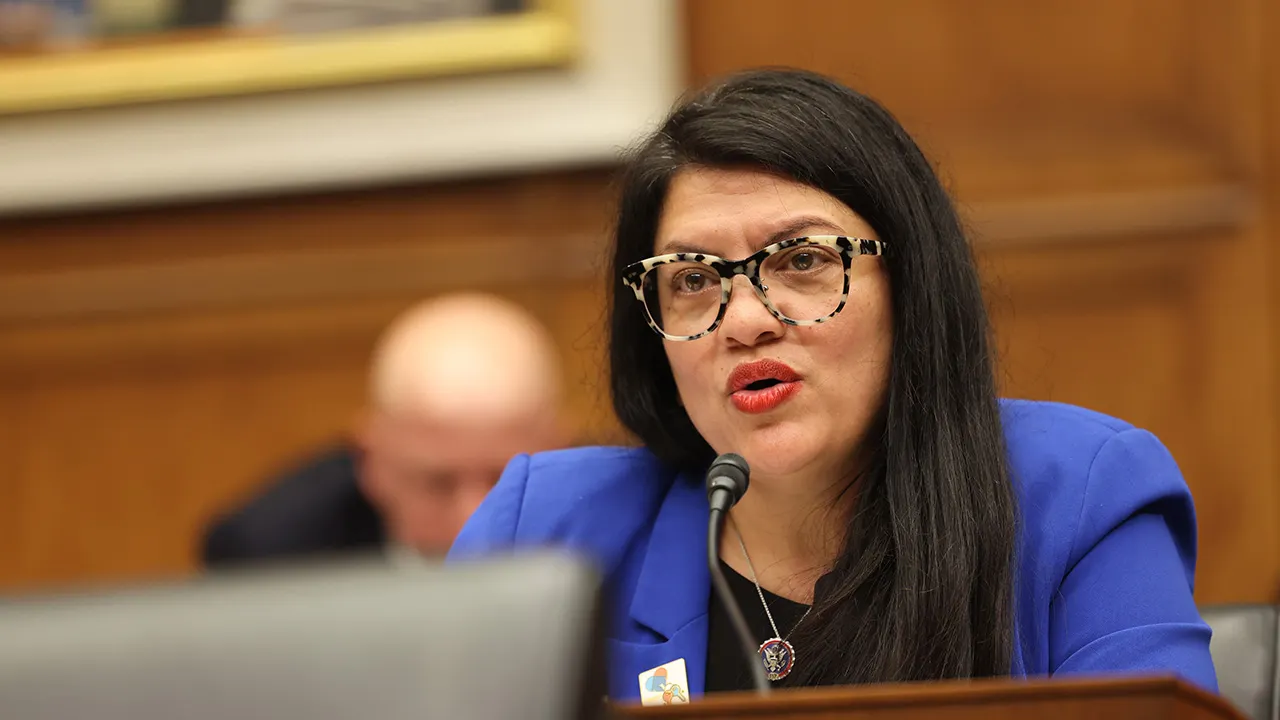
Picture this: It’s the height of political tension in Washington, where Democrats are scrambling after failing to derail President Donald Trump’s decisions on Iran. Now, some progressive voices are shifting gears, aiming their sights at another flashpoint involving Israel and Lebanon. At the forefront is Rep. Rashida Tlaib from Michigan, a passionate lawmaker who’s introduced a resolution to halt Trump from getting involved in or supporting any Israeli military ops in Lebanon without Congress’s explicit say-so. It’s a bold move that could spark major discussions when the House reconvenes mid-April. Imagine the debates heating up on Capitol Hill, with lawmakers weighing the implications of foreign policy decisions that feel deeply personal to many Americans watching from home.
Tlaib isn’t going it alone; she’s got backup from fellow progressive reps like Delia Ramirez of Illinois and Nydia Velazquez of New York, who are co-sponsoring this resolution. What’s striking is how the measure stays silent on Hezbollah, the Iranian-backed terror group that’s escalated things by joining the fight against Israel after Iran’s Supreme Leader Ali Khamenei was killed. You can almost feel the frustration bubbling under the surface—lawmakers like Tlaib are trying to put checks on executive power, ensuring that U.S. involvement abroad doesn’t overstep without oversight. It’s the kind of push that resonates with everyday folks who value accountability in a time of instability, wondering aloud if their voices in Congress are strong enough to shape these global events.
To understand the backdrop, think about the raw reality on the ground: Hezbollah hasn’t held back, launching rocket attacks on Israel since the Iran conflict flared up. There was even a joint strike with Iran using cluster munitions back in March. Israeli forces responded with counterattacks and a major ground push in southern Lebanon, all in an effort to protect their communities from the militia’s reach. Meanwhile, the U.S. military has stayed out of the fray, leaving folks here to grapple with how far American influence extends. It’s a tense standoff that highlights the complexities of alliances, where one group’s defense is another’s offense, stirring up emotions and debates about justice and security.
Rep. Tlaib, the only Palestinian-American in Congress, doesn’t mince words. She’s called Israel’s actions an “ethnic cleansing campaign” fueled by U.S. tax dollars and support. “We must act now to stop these crimes against humanity and illegal invasion of Lebanon,” she declared, painting a picture of urgency that’s hard to ignore. When asked if she’d condemn Hezbollah’s strikes on Israel, her team didn’t respond, adding layers to the controversy. It’s the kind of silence that leaves you thinking about the bigger picture—who’s aligned with whom, and how personal histories shape these high-stakes decisions. As someone who’s watched her story unfold, you can’t help but empathize with the human cost, from families affected to lawmakers torn between loyalty and principle.
Building on her momentum, Tlaib has proposed another bill, this one demanding the Trump administration pressure Israel to end its Lebanon operations and halt all weapons transfers. Again, it sidesteps Hezbollah but slams Israel for alleged “crimes against humanity and genocide.” The resolution points out that the U.S. is enabling this through weapons, intelligence, logistics, and diplomatic backing— a real eye-opener for anyone following international relations. Tlaib’s no stranger to criticism; she’s a vocal Israel skeptic and has faced questions about possible ties to foreign groups. Yet, in the eyes of her supporters, she’s a courageous advocate pushing for peace and fairness.
Zooming out, Israel’s had its successes against Hezbollah, which came into play after Hamas’s attacks last October. But the group remains a threat, as evidenced by their deadly rocket fire in March that claimed Israeli lives. It’s a sobering reminder of the risks involved, where one country’s “defense” spills over into another’s homeland. As Congress mulls these resolutions, many are left reflecting on the role of empathy in foreign policy—if we can’t find common ground, how do we prevent these cycles of conflict from affecting us all? In this human drama of politics and power, Tlaib’s initiatives spotlight the struggle for a more thoughtful American voice on the world stage. (Word count: 638)