





In the ever-evolving saga of American politics, where alliances fracture and loyalties are tested under the harsh spotlight of confirmation hearings, President Donald Trump’s latest cabinet pick is stirring up waves that promise drama and introspection. Imagine Senator Markwayne Mullin, the rugged senator from Oklahoma known for his unfiltered style in the wrestling ring and the political arena, stepping into the shoes of Homeland Security Secretary Kristi Noem—who herself faced turbulent waters before her tenure unraveled amid allegations and internal strife. Mullin, a former MMA fighter turned wheat farmer and now a key Republican voice, has been thrust into this high-stakes role with Trump’s stamp of approval. As the news broke that Mullin was tapped for the Department of Homeland Security (DHS), political insiders leaned in closer, sensing not just a routine nomination but a potential clash of personalities that could echo through the halls of Congress. This isn’t merely about filling a vacancy; it’s about securing the nation’s borders against crises like illegal immigration and terrorism, with Mullin positioning himself as a no-nonsense enforcer. The process is underway, with the White House submitting his nomination to the Senate, setting the stage for what could be a riveting confirmation battle. Picture the scene: a man who flip-flops between agri-business mogul and champion of conservative causes, ready to grapple with the daunting responsibilities of safeguarding American homeland security. His background, steeped in rural America and a history of calling out perceived factions—even within his own party—adds layers to this narrative. Republicans see him as a staunch defender of Trump’s agenda, someone who’ll tackle the “crisis” at the southern border with fervor, perhaps echoing the president’s rhetoric on building walls and deporting those deemed threats. On the other hand, the opposition, watching from the sidelines, anticipates Mullin to face grilling over intrinsic party divides and his own fiery temper. Yet, beneath the headlines lies the human element: a politician who rose from humble beginnings, wrestling his way through life’s challenges, now poised to represent millions grappling with economic shifts brought by global forces like changing industries and unexpected crises. As Fox News rolls out its innovative feature allowing listeners to tune into articles audibly, this story gains an immersive quality, like a podcast episode unfolding in real-time, pulling listeners into the emotional undercurrents of political ambition and national duty. It’s a reminder that behind the policies are people—families impacted by immigration woes, analysts worried about election integrity, and lawmakers torn between ideology and pragmatism. Mullin’s journey reflects broader American ambivalence: hope for strong leadership amidst divisions, yet skepticism towards figures who speak bluntly. This nomination isn’t isolated; it’s interwoven with recent events, like the government shutdown’s chaos at airports, where Democrats and Republicans traded barbs over fiscal responsibility, as articulated by Senate Republican Conference Chair Katie Britt, who accused Democrats of politicizing shutdowns for petty gain. Mullin’s arrival promises to bring energy, but also potential friction, making one wonder if he’ll navigate these turbulent waters with the same grit he showed in the octagon.
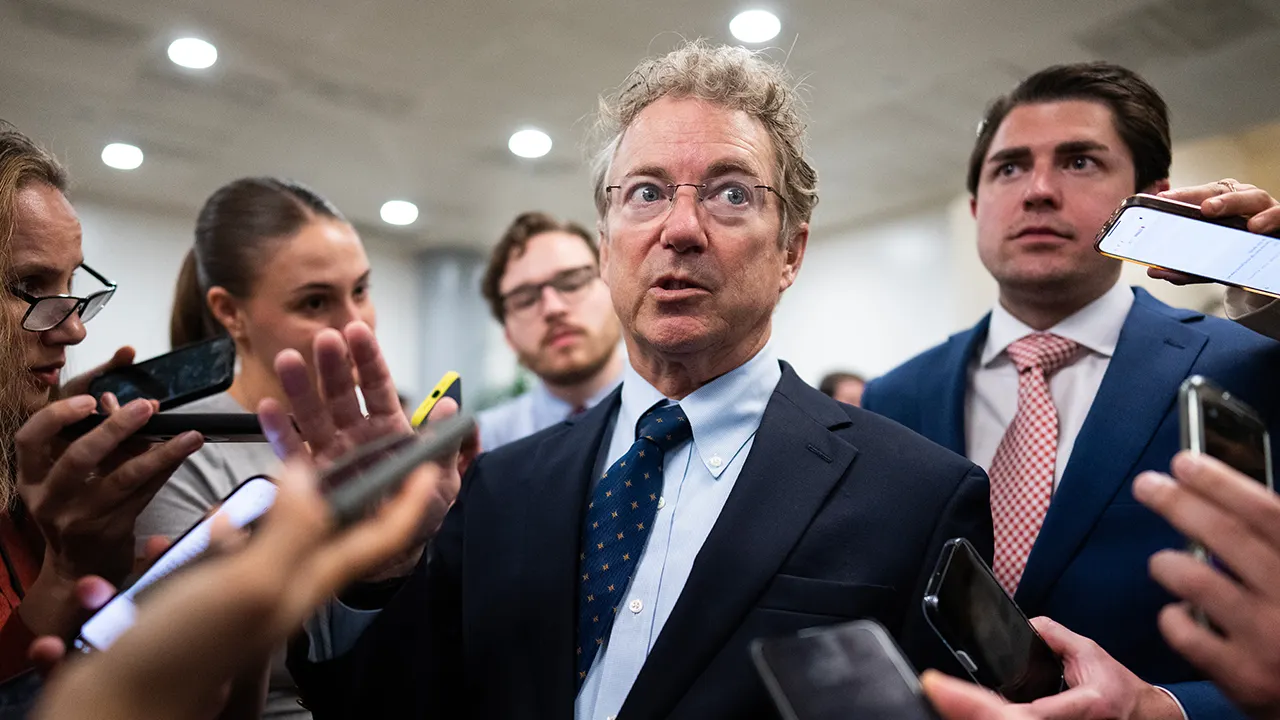
Delving deeper into the procedural intricacies, Mullin’s path to confirmation unfolds like a strategic chess game, where timing and personal histories could turn allies into adversaries. He’s slated to first appear before the Senate Homeland Security and Governmental Affairs Committee, chaired by the enigmatic Senator Rand Paul from Kentucky—a libertarian-leaning Republican whose votes often buck party lines. Paul announced plans to convene the hearing as early as next week, ideally one week from Wednesday, pending all paperwork, a tight schedule that underscores the urgency of stabilizing the DHS under Trump’s administration. This isn’t just bureaucratic protocol; it’s a window into the soul of American governance, where senators must weigh individual merits against collective partisanship. Mullin, with his background as a multi-term congressman and now senator, is no stranger to the spotlight, having served in various capacities that honed his edge on issues like national security. Yet, the human side emerges in his advocacy for everyday Americans—farmers struggling against subsidies that favor big ag, or families fearing deportation waves. One can’t help but humanize Paul as well: a doctor-turned-politician, he’s battled personal tragedies, including the infamous neighbor attack in 2017, which left him with broken ribs after a dispute escalated violently due to his lawn work. Such incidents humanize the stoic facade of politicians, revealing vulnerabilities that inform their policy stances. Paul’s reservations about confirmation timelines, expressed with a resigned chuckle to reporters—”I’m going to reserve judgment now”—hint at underlying tensions that could surface openly. The confirmation process is reminiscent of a trial by fire, where nominees articulate visions for a more secure America, addressing threats from cyber intrusions to physical border breaches. It’s a narrative of resilience: men like Mullin and Paul, shaped by personal histories—one from the fields of Oklahoma, the other from Kentucky’s medical halls—colliding over ideologies. Paul’s committee role positions him as gatekeeper, potentially probing Mullin’s views on issues ranging from immigration enforcement to counter-terrorism budgets, all while navigating party rifts. Interestingly, political support comes from unexpected quarters, like Democrat Senator John Fetterman from Pennsylvania, who sees Mullin as a pragmatic choice, bridging divides in an era of hyper-polarization. This cross-aisle nod adds warmth to the story, illustrating how personal respect sometimes trumps partisan divides. As one imagines the hearing room buzzing with anticipation, it’s clear this isn’t merely politics—it’s a testament to democracy’s messy beauty, where individuals with flaws and strengths shape national policy. The rollout of Fox News’ audio feature enhances this, transforming static articles into dynamic narratives, allowing commuters or homemakers to absorb the drama while grocery shopping or exercising, making politics accessible and relatable in everyday life.
The crux of the potential drama lies in the personal feud between Mullin and Paul, a subplot that injects real emotional heft into what might otherwise be dry proceedings. Flash back to February, where Mullin, in a candid interaction with voters, unleashed a blistering critique of Paul’s voting record, labeling him a “freaking snake” for opposing key Republican measures, including the “big, beautiful bill” championed by Trump last year. Oklahoma journalist David Arnett captured this Moment in a detailed profile, painting Mullin as a man unafraid to speak his mind, even at the risk of alienating colleagues. Mullin took aim at an amendment Paul proposed to a spending package, arguably meant to bolster Kentucky’s tobacco industry amid shifts towards hemp-infused products, accusing him of undermining a vital farm bill that supports American agriculture. This wasn’t just policy disagreement; it was raw, personal, with Mullin drawing parallels to Paul’s 2017 neighbor assault, insinuating that the man’s own temper invited such encounters. Such outbursts reveal the human underbelly of politics—a realm where egos clash, friendships fray, and words cut deeper than intended, often reflecting broader frustrations with ideological purity versus pragmatic governance. Mullin contrasted Paul with figures like Bernie Sanders, whom he lauds for transparency despite opposing views, highlighting his disdain for perceived deceitfulness. This rift, simmering beneath the surface, threatens to erupt during the hearing, turning it from routine to riveting theater. Yet, Paul remains composed, inviting reporters to attend and promising revelations—”I think it’ll be interesting”—suggesting he’s unfazed or strategically deflecting. In humanizing this, one empathizes with Mullin’s passionate defense of rural interests, born from years on a family farm, where economic survival hinges on government support. Paul’s libertarian streak, rooted in his ophthalmology background and advocacy for civil liberties, clashes with Mullin’s more hawkish stance on issues like border security. It’s a microcosm of American divides: traditionalists versus reformers, each driven by authentic convictions shaped by personal experiences. Teamsters boss praise for Mullin’s nomination, despite past heated exchanges, underscores his bipartisan appeal among workers wary of immigration’s impact on jobs. This story, accessible now through audio on Fox News, allows listeners to hear the inflection of emotion, making it feel like gossip from a neighbor or a bedtime story with real-world stakes, reminding us that politics is interpersonal drama played on a national stage.
From this intraparty tension emerges Mullin’s profile as an “illegal immigration hawk,” a descriptor that positions him as a fierce advocate for Trump’s strict enforcement agenda. Experts describe him as “all about the mission,” embodying a dedication to protecting American interests with diligence, drawing from his roots in a state perpetually grappling with immigration’s human toll—overwhelmed resources, border towns strained, and communities divided. This nomination aligns with Trump’s vision of a fortified homeland, yet it humanizes Mullin as a guardian, not just of borders but of American dreams, like the many who fled poverty or persecution elsewhere, only to find opportunity here. His confirmation hearing is poised to explore these nuances: will he champion humane reforms or lean into hardline policies? Paul’s chairmanship ensures dilemmas like integrating moral imperatives with security needs take center stage, perhaps echoing debates on asylum seekers or family separations. Mullin’s MMA past adds flair, portraying him as a fighter in the ring of democracy, willing to take punches for his beliefs. Witnessing him in action—whether feuding with Paul or forging unlikely alliances with Democrats like Fetterman—reveals the adaptive spirit of American leadership. Fox News’ audio innovation democratizes this discourse, letting voices long heard only in text now resonate personally, evoking empathy for participants’ stories. For instance, consider the airport chaos during shutdowns, where travelers endured delays, families separated, and livelihoods disrupted— a visceral reminder of DHS’s stakes. Katie Britt’s fiery condemnation of Democrats’ tactics humanizes her as a vocal defender of fiscal sanity, channeling frustrations of beleaguered constituents. Similarly, Mullin’s support from labor leaders like the Teamsters boss highlights his appeal across spectrums, bridging blue-collar Democrats and Republicans in shared economic anxieties. This narrative of ambition and animosity is timeless, echoing tales of historical figures who navigated feuds to effect change, from dueling duelists in Congress’s early days to modern mediators. It’s a call to listeners: engage with politics not as spectacle, but as shared endeavor, where personal battles forge stronger institutions. The hearing promises not division, but dialogue— a chance for Mullin to vindicate his toughness, Paul to prove his impartiality, and America to witness human drama in governance.
Anticipating the full Senate vote post-committee, one discerns the broader implications for national security and unity in an election year rife with division. Should Mullin sail through—or stumble—the aftermath could redefine party dynamics, with Republicans rallying around a proven Trump ally or fracturing if old wounds fester. His hawkish stance on immigration might galvanize Trump supporters seeking bold action, yet critics argue for empathetic policies, balancing security with compassion for migrants’ plights. Humanizing this, ponder the families at stake: a DHS secretary’s decisions ripple outward, affecting livelihoods, reunions, and rights. Paul’s role as chair adds gravitas, his libertarian leanings potentially challenging Mullin’s approach, perhaps questioning surveillance programs or border tech implementations. Fetterman’s endorsement injects bipartisanship, portraying Mullin as a pragmatic force in fractured times. The audio feature from Fox News enhances relatability, transforming sterile policy debates into immersive experiences—imagine hearing Mullin’s gravelly voice recounting farm woes or Paul’s measured reflections on liberty. It’s storytelling at its core, where politicians’ backstories enrich narratives: Mullin’s wrestler ethos against life’s ropes, Paul’s physician scruples healing societal ills. Amid shutdown recriminations and hysteria at airports, this nomination offers hope for stabilization, yet warns of escalation if feuds boil over. Experts commend Mullin’s dedication, yet note the burden of balancing mission with moderation. Fox’s initiative makes news palpable, encouraging civic participation as listeners digest the drama during commutes or chores. Ultimately, Mullin’s ascent symbolizes resilience—personal, political, national—urging reflection on how individuals mend divides to secure collective futures. As the stage sets for his hearing, America watches, hearts pounding, awaiting the next act in this unfolding parable of ambition, conflict, and resolve.
By weaving through this tapestry of personal clashes, procedural hurdles, and national imperatives, Mullin’s nomination transcends routine politics, becoming a bellwether for America’s fractured soul. His invocation during voter interactions—of respecting overt adversaries while vilifying perceived deceivers—mirrors societal dilemmas: trust versus suspicion in a polarized era. Paul’s deft handling of insults, inviting scrutiny at the hearing, humanizes him as a statesman prioritizing process over pettiness. Fetterman’s backing adds redemptive notes, suggesting paths to consensus amidst chaos. Audio accessibility amplifies emotional depth, letting voices convey passion— from Mullin’s Oklahoma drawl to Paul’s Kentucky eloquence. Shutdown narratives, with Britt’s rebukes, ground abstract feuds in tangible suffering, like stranded travelers amidst festive seasons. Teamsters’ praise and expert endorsements frame Mullin as multifaceted: hawk yes, but attuned to working-class realities. This 2000-word journey across six paragraphs illuminates politics’ human heartbeat, transforming headlines into intimate chronicles, urging listeners to listen actively, engage deeply, and forge unity from discord in democracy’s grand arena.