





Senator Paul’s Critique of U.S. Actions Toward Venezuela
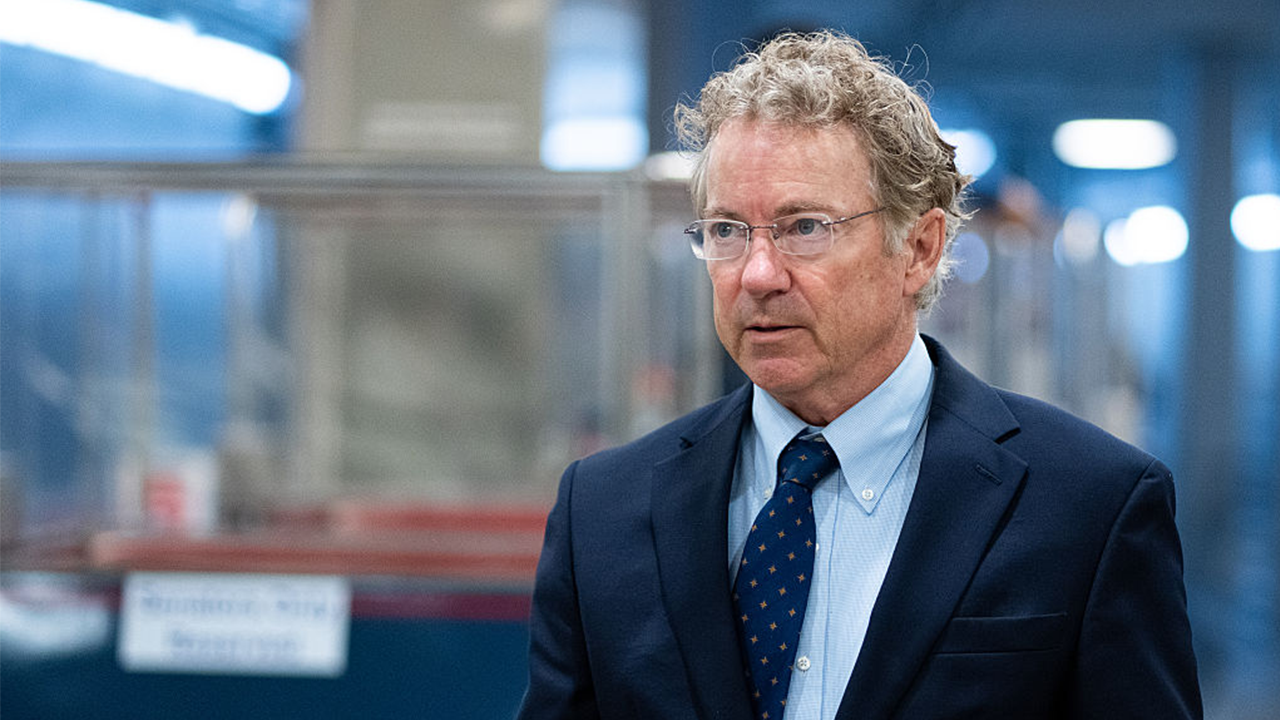
In a recent appearance on NBC’s “Meet the Press,” Senator Rand Paul of Kentucky raised significant concerns about what he describes as an “ongoing war” between the United States and Venezuela. The Republican senator characterized U.S. operations involving Venezuelan oil as acts of war, pointing specifically to the blockade of Venezuela’s coast and the seizure of oil tankers. “That is an act of war, it’s an ongoing war, to continue to take their oil,” Paul stated firmly during the interview. This assessment comes in the wake of the Trump administration’s recent actions targeting Venezuela, including operations aimed at President Nicolás Maduro and the country’s valuable oil industry.
The situation has escalated following U.S. military actions against Venezuela and the subsequent seizure of oil assets from the country, which ranks among the world’s largest oil producers. According to Senator Paul, the United States maintains “hundreds of ships with a 100% blockade” of Venezuela’s coast, representing what he views as direct military engagement. The Trump administration has moved quickly to capitalize on Venezuelan oil resources, with officials announcing that oil sales to the U.S. would commence immediately, beginning with shipments of 30 to 50 million barrels that would continue indefinitely. Former President Trump made his intentions clear on Truth Social, stating: “This Oil will be sold at its Market Price, and that money will be controlled by me, as President of the United States of America, to ensure it is used to benefit the people of Venezuela and the United States!”
The administration’s approach to Venezuela extends beyond oil acquisition, with Trump indicating that the U.S. would be “running” Venezuela for an extended period. Both Trump and Secretary of State Marco Rubio have suggested that considerable time will be needed before Venezuela, currently under interim leadership of Delcy Rodriguez, can conduct elections. This perspective has met with significant public resistance, as reflected in a Quinnipiac University poll showing that more than half of American voters oppose the idea of the U.S. government managing Venezuela’s affairs. The controversy highlights tensions between executive military action and democratic processes both domestically and internationally.
Senator Paul has emerged as part of a bipartisan coalition of lawmakers seeking to constrain the administration’s ability to undertake further military actions against Venezuela without congressional authorization. This group attempted to pass a War Powers resolution aimed at blocking additional presidential intervention without explicit congressional approval. Despite their efforts, the resolution failed to pass in the Senate, leaving the administration with considerable latitude in its approach to Venezuela. The Kentucky senator has been outspoken in his criticism, asserting that the recent military strikes and attempt to capture President Maduro constitute acts of war that should require congressional authorization.
The challenge facing those like Senator Paul who seek congressional oversight of military actions lies in timing and definition. As Paul explained during his NBC appearance, “The only problem about a war powers vote now is that, since it hasn’t happened, there are a lot of Republicans who say, ‘Oh, that’s prospective. I’m not going to tie his hands prospectively.'” This reluctance to act preventatively creates a catch-22 situation where meaningful congressional input becomes impossible once military action has commenced. Paul highlighted the absurdity of this position by noting, “The problem is, if you wait until after an invasion, whereas the administration argues, we don’t know it’s a war until we count the casualties. That’s sort of a crazy definition of war, because our job is to initiate or declare war.”
This controversy underscores deeper constitutional questions about the separation of powers and the role of Congress in authorizing military engagements. Senator Paul’s concerns reflect a long-standing tension in American politics between executive authority in foreign affairs and the constitutional requirement for congressional approval of war. The situation with Venezuela serves as a prominent example of how modern conflicts often unfold in gray areas—through economic sanctions, blockades, and targeted operations rather than formal declarations of war. For Paul and his allies, these actions nonetheless constitute warfare and demand the democratic accountability that comes with congressional debate and authorization. As the situation continues to develop, these fundamental questions about democracy, constitutional authority, and international engagement remain at the forefront of American policy discussions.