





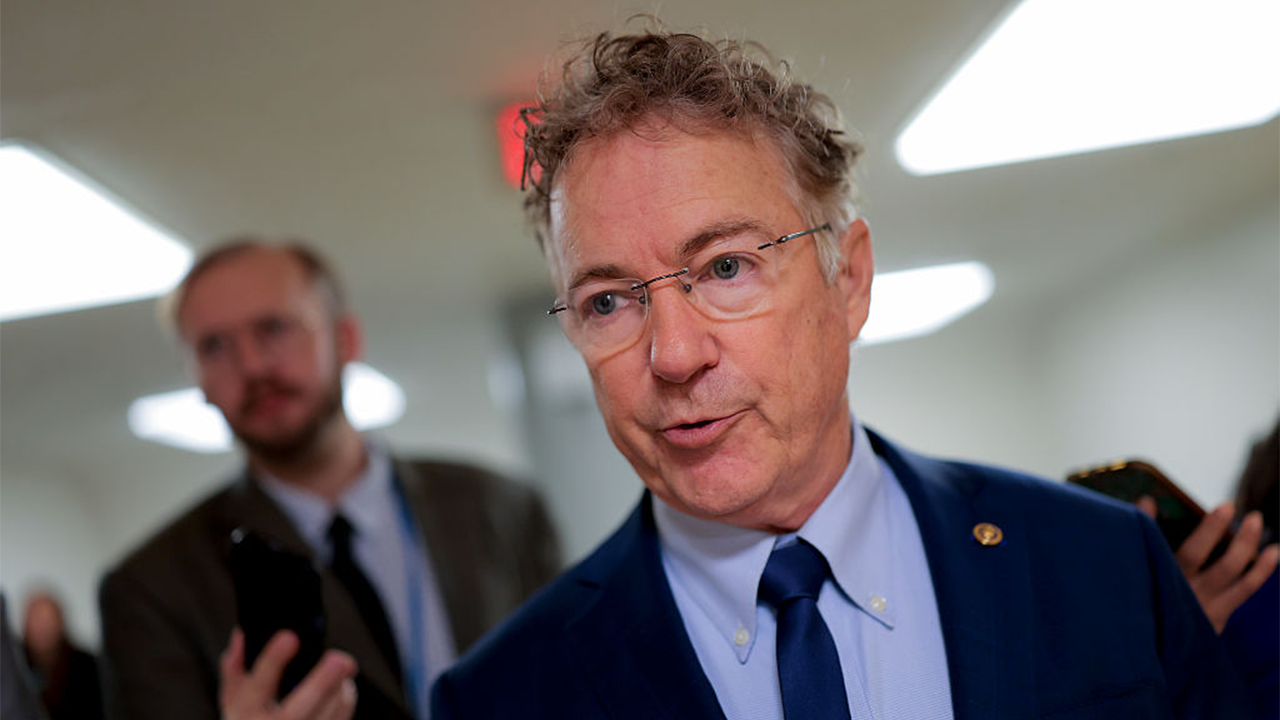
Senator Rand Paul Criticizes Republican Colleagues Over Venezuelan Boat Strikes
In a candid conversation on “The Joe Rogan Experience,” Senator Rand Paul of Kentucky voiced strong criticism of his fellow Republicans regarding recent U.S. military actions near Venezuela. Paul expressed deep concern over what he perceives as a troubling disconnect between his colleagues’ professed “pro-life” values and their apparent indifference toward human lives lost during boat strikes authorized by the Trump administration. The senator questioned the moral consistency of lawmakers who claim to “value God’s inspiration in life” yet, in his words, “don’t give a s— about these people in the boats.” Paul challenged the automatic assumption that those targeted were criminals, suggesting they were more likely impoverished Venezuelans and Colombians who deserved the presumption of innocence—a cornerstone of American justice—rather than summary execution.
The Kentucky senator’s criticism extended beyond the moral dimension to include legal and practical concerns about the operations. He argued that the attacks violated fundamental principles of warfare, including military codes of justice that prohibit targeting shipwrecked individuals. Paul described with particular dismay reports that survivors clinging to wreckage after initial strikes were subsequently targeted—an action he considers indefensible regardless of the victims’ alleged crimes. He further questioned the administration’s narrative about these vessels transporting fentanyl to the United States, pointing out logistical impossibilities: “Those little boats can’t get here… They have these four engines on them. They’re outboard boats. You can probably go about 100 miles before you have to refuel. Two thousand miles from us, they’d have to refuel 20 times to get here.” Instead, Paul suggested the boats were likely carrying cocaine destined for European markets via Caribbean islands, not fentanyl bound for American shores.
Perhaps most provocatively, Senator Paul alleged these maritime operations were conducted under false pretenses, creating a manufactured justification for more ambitious actions against Venezuela’s government. “It’s all been a pretense for arresting Maduro,” he stated, suggesting the administration needed to “set up the predicate” and “show you we care about drugs” before attempting to capture Venezuelan President Nicolás Maduro. This perspective aligns with Paul’s broader criticism of what he views as executive overreach in military matters. Last week, he helped advance a Senate resolution that would restrict the president’s authority to conduct further attacks against Venezuela, arguing that “bombing a capital and removing the head of state is, by all definitions, war”—an action that should require congressional approval rather than being at the sole discretion of the executive branch.
The senator’s stance reflects his longstanding libertarian principles and consistent skepticism toward American military interventionism. Throughout his career, Paul has advocated for strict constitutional limits on presidential war powers and has frequently questioned the legality and wisdom of overseas military operations conducted without clear congressional authorization. His concerns about the Venezuelan boat strikes echo previous statements where he raised alarms about killing people without due process and the significant risk of harming innocent civilians. He has previously cited Coast Guard statistics indicating that a substantial percentage of vessels suspected of drug trafficking and subsequently boarded turn out to be innocent—suggesting that shoot-first policies could result in the deaths of non-combatants and individuals unconnected to criminal enterprises.
Paul’s comments on the Rogan podcast also highlighted his concerns about potential future military actions against Mexico. “They want to do that next. They want to bomb Mexico,” Paul warned, referencing statements from former President Trump suggesting that military intervention in Mexico might be necessary to combat drug cartels. Trump has publicly stated that cartels are “running Mexico” and that “something’s going to have to be done” because Mexican President Claudia Sheinbaum is reportedly “very frightened” of these criminal organizations. Paul’s comments suggest he sees the Venezuelan operations as potentially setting a dangerous precedent for similar unilateral military actions against other sovereign nations in the region—actions that could violate international law and further entangle the United States in complex regional conflicts without proper deliberation or authorization.
The senator’s outspoken critique places him at odds with many in his own party, highlighting significant divisions within Republican foreign policy circles. While many GOP lawmakers have embraced an aggressive stance toward perceived threats in Latin America—particularly related to drug trafficking and migration—Paul represents a different Republican tradition that emphasizes restraint, constitutional limits on executive power, and skepticism toward military interventions. His willingness to publicly challenge his party on these matters demonstrates the complex and sometimes contradictory positions within the Republican coalition on questions of national security, executive authority, and America’s role in the world. As the Senate prepares to potentially vote on the resolution limiting further attacks against Venezuela, Paul’s perspective adds an important voice to the debate about how the United States should conduct its foreign policy in accordance with both strategic interests and fundamental American values.