

Democrats in Congress Face Historic Low Approval Ratings Amid Party Tensions
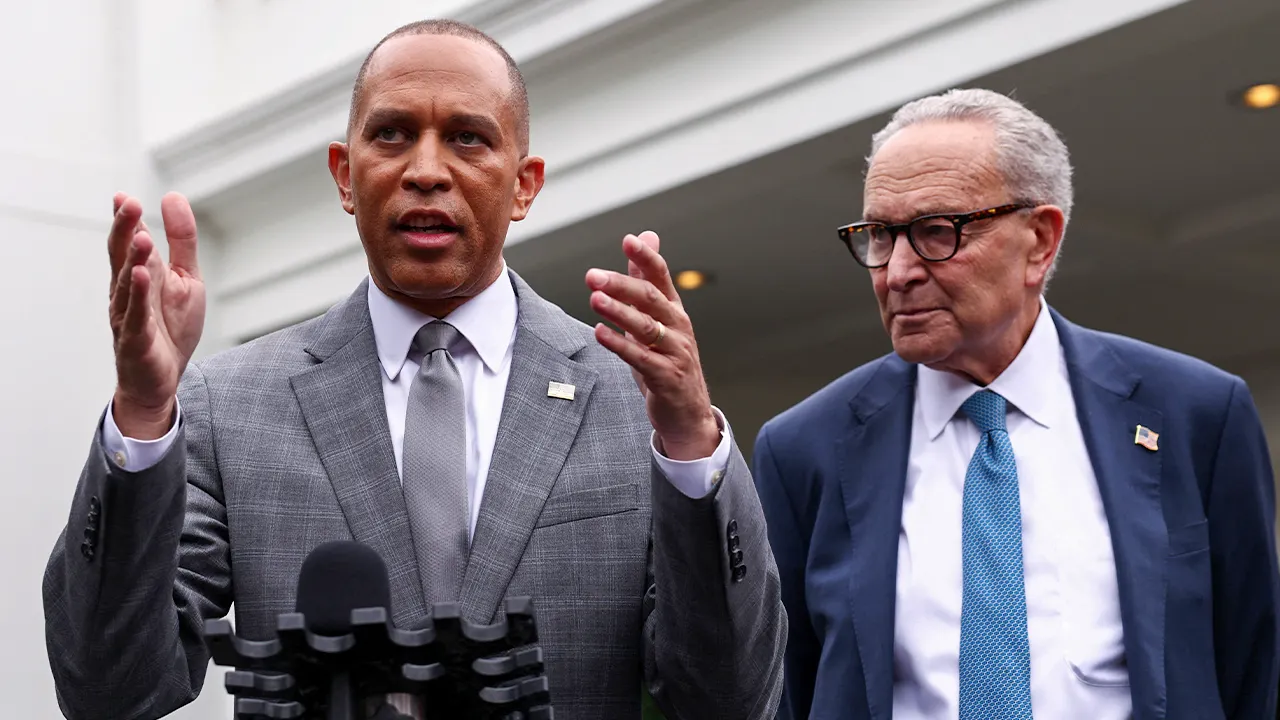
A recent Quinnipiac University poll has sounded alarm bells for the Democratic Party, revealing the lowest congressional approval ratings in the poll’s 16-year history. According to the survey released on Wednesday, a mere 18% of voters approve of how Democrats in Congress are handling their job, while a staggering 73% disapprove. This historic low comes at a critical time as Democrats work to rebuild their brand and strategize for regaining congressional majorities in the upcoming elections. The poll continues a troubling trend for Democrats, with multiple surveys this year indicating the party’s popularity has reached unprecedented lows following significant electoral setbacks last year.
Perhaps most concerning for Democratic leaders is the erosion of support within their own base. Even Democratic voters themselves are expressing dissatisfaction, with only 43% approving of their party’s congressional performance and 48% disapproving. This internal discontent reflects growing tensions within the party, as the more progressive wing pushes leadership to take stronger stands against President Trump’s second-term agenda. Many Democratic voters feel their representatives aren’t being vocal enough in opposing controversial Republican policies, creating what Quinnipiac polling analyst Tim Malloy described as “a family squabble spilling over into the holidays.” The frustration stems partly from the party’s comprehensive defeats last year, when Democrats lost control of both the White House and Senate while failing to reclaim the House majority.
Despite these troubling numbers, the poll offers Democrats some reason for optimism. When asked about their preferences for next year’s midterm elections, 47% of voters indicated they would prefer to see Democrats win control of the House, compared to 43% hoping Republicans maintain their majority. This suggests that while voters are deeply dissatisfied with congressional Democrats’ current performance, they haven’t completely abandoned the party’s broader electoral prospects. Additionally, Democrats have found some renewed energy following decisive victories in last month’s 2025 elections and stronger-than-expected performances in special elections throughout the year, potentially indicating a path to recovery.
Republicans in Congress, while faring better than their Democratic counterparts, still face significant disapproval from the American public. The poll shows that 35% of voters approve of congressional Republicans’ job performance, with 58% disapproving. The key difference between the parties lies in their internal cohesion – while Democrats are experiencing division within their ranks, Republicans demonstrate remarkable unity. Among Republican voters, 77% approve of how GOP lawmakers are handling their jobs, with only 18% expressing disapproval. This party solidarity gives Republicans a strategic advantage as they work to maintain their congressional majorities in upcoming elections.
The Democratic Party’s current struggles can be traced back to last year’s elections, when they not only lost control of the federal government but also saw traditional elements of their base erode. Republicans made unexpected gains among Black, Hispanic, and younger voters – all historically reliable Democratic constituencies. These demographic shifts have forced Democrats to reconsider their messaging and outreach strategies as they attempt to rebuild their coalition. The challenge for Democratic leaders now involves both addressing internal party divisions and crafting a compelling message that can win back disaffected voters across various demographic groups.
President Trump’s own approval rating, while higher than congressional Democrats’, remains underwater according to the Quinnipiac survey conducted from December 11-15. The poll shows 40% of respondents approve of Trump’s job performance, compared to 54% who disapprove. This polarized assessment of the president’s leadership reflects the deeply divided nature of American politics at present. As Democrats look to rebound from their current approval crisis, they face the dual challenge of unifying their party while also presenting themselves as an effective alternative to Republican governance. The coming months will be crucial for the party as it attempts to translate recent electoral successes and grassroots energy into a broader political comeback ahead of the midterm elections.