


The Pulse of New York’s Gubernatorial Race: A Siena Poll Shines Light on Governor Hochul’s Dominance
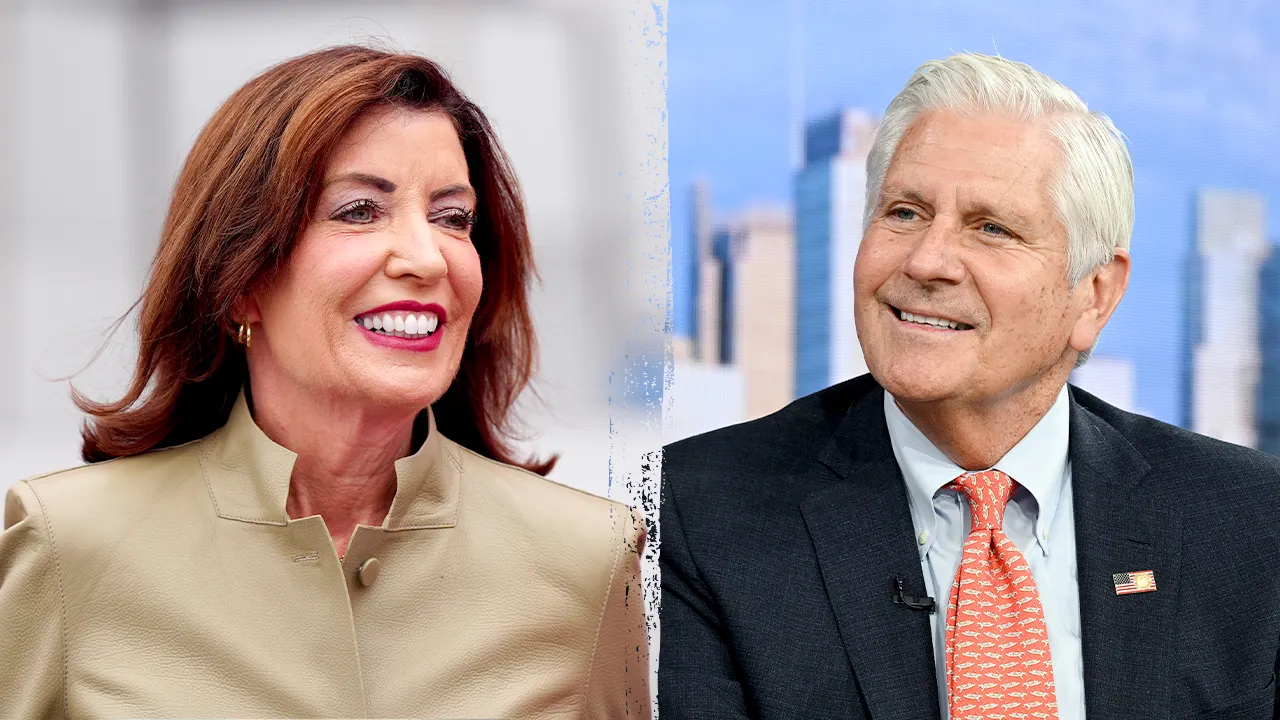
Picture this: It’s a crisp January evening in upstate New York, where locals are huddled by their fireplaces, sipping coffee and debating the future of their state. Meanwhile, in the world of politics, numbers are being crunched that could shape the Empire State’s leadership for years to come. A fresh Siena Research Institute poll, released on Tuesday, paints a picture of Governor Kathy Hochul’s commanding presence in the race for her second full term as governor. With election day still nearly a year away—set for November—Hochul is leading Republic challenger Bruce Blakeman by a hefty 54% to 28% among registered voters. That’s right, more than a quarter of the electorate ahead, and it hasn’t budged much since December. For anyone following the race, it’s a testament to Hochul’s resilience, especially after a turbulent few years marked by everything from economic recovery efforts to handling the fallout from natural disasters like Hurricane Ida. The poll, drawing from a solid sample of 802 registered voters surveyed between January 26 and 28, carries a margin of error of just 4.3 percentage points, making it a reliable snapshot. Folks are talking about how Hochul’s steady focus on issues like healthcare and education seems to resonate, turning her into a familiar figure in New York’s diverse landscape. It’s not just numbers; it’s a story of a leader who, despite facing scrutiny over everything from pandemic responses to fiscal policies, is building momentum. You can almost hear the murmurs in coffee shops: “Hochul’s got the poise, but is it enough to weather the storms ahead?” This lead feels personal, like the governor’s been knocking on doors and listening to stories from everyday New Yorkers—from the bustling streets of Manhattan to the quiet suburbs of Nassau County. Her campaign isn’t flashy; it’s grounded, reflecting the everyday struggles of raising a family amid rising costs or battling opioid crises. Voters are feeling that connection, and the poll reflects it, showing her as a beacon of stability in uncertain times.
Diving Deeper: Party Loyalties and Regional Strength Show Hochul’s Broad Appeal
Zooming in on the poll’s intricacies, it’s fascinating how party lines are drawn sharply, yet Hochul manages to bridge some gaps, humanizing the political divide in New York. Siena pollster Steven Greenberg highlights that Hochul enjoys a staggering 79% to 8% lead among Democrats—a virtual landslide that speaks volumes about her stronghold within her base. It’s like a family reunion where everyone gravitates toward the wise matriarch who’s navigated tough times with grace. Democrats, many of whom remember Hochul’s rise from lieutenant governor to top spot after Andrew Cuomo’s exit, see her as a protector of progressive values, from expanding voting rights to tackling climate change. On the flip side, Blakeman clinches a 69% to 15% edge among Republicans, but that feels localized, almost like a echo chamber of conservative voices rallying behind promises of law and order. Independents, that crucial swing group making up over a third of New York voters, tilt toward Hochul at 41% to 34%, an edge that could be the difference in a close election. What makes this human is the regional breakdown—Hochul leads in every corner of the state, from the urban heartbeat of New York City to the sprawling expanses of the Adirondacks. It’s as if her policies, like investments in infrastructure and efforts to address inequality, are whispering promises of a better tomorrow to farmers, teachers, and small business owners alike. Greenberg notes that Blakeman’s obscurity is telling: three in five voters don’t know him, which humanizes the race into one of familiarity versus fresh ideas. Folks are reflecting on how personality matters—Hochul’s approachable demeanor versus Blakeman’s relative anonymity. This isn’t just data; it’s the pulse of neighborhoods where debates over school funding or healthcare access are heated, with Hochul often coming across as the empathetic listener who’s been there, done that. Her improved favorability rating, up seven points to 49%, marks a milestone, the first time in her 4.5-year tenure that it’s cracked above 50% in a Siena poll. It feels like redemption for someone who’s weathered storms, emerging stronger, more relatable.
Facing Internal Challenges: Hochul’s Primary Battle and Ailing Favorability
Shifting focus inward, Hochul isn’t resting on her laurels; she’s got a Democratic primary opponent buzzing in the wings, Lt. Gov. Antonio Delgado, adding an extra layer of drama to what could otherwise be a straightforward re-election. The Siena poll underscores her dominance here too, with at least 60% support among Democrats statewide, climbing to 68% among self-described liberals and 65% among moderates. It’s a narrative of unity versus dissent within the party, where Delgado’s challenge, rooted in calls for bolder progressive stances, feels like a sibling rivalry rather than a real threat. Greenberg points out her job approval hovering above 50%, a modest but meaningful marker that’s turning heads. This humanizes Hochul as someone who’s grown in office—from a pragmatic moderate who’s balanced budgets during recessions to a leader championing mental health reforms post-pandemic. Think of her constituents: single moms juggling jobs and childcare, retirees worried about rising utilities, or young professionals navigating a post-COVID world. Her policies, like expanding broadband access to rural areas or pushing for paid family leave, resonate on a personal level, making her not just a politician but a familiar story of overcoming adversity. Yet, critics like Delgado argue she needs to be bolder on issues like racial justice or economic equality, turning the primary into a heartfelt debate about the soul of the Democratic Party. Hochul’s response has been measured, emphasizing collaboration, which appeals to voters seeking stability over sensationalism. This dynamic adds flavor to the race, reminding us that politics is about people—real emotions, aspirations, and the quiet determination to make change. As worries about inflation and housing persist, Hochul’s steady hand feels reassuring, like a trusted friend guiding you through tough decisions.
The Republican Contender: Bruce Blakeman and the Trump Factor
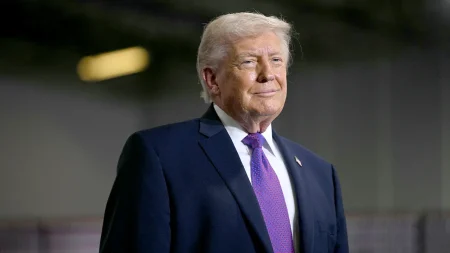
On the other side of the aisle, Bruce Blakeman’s journey into the spotlight feels like a classic underdog tale, spiced with high-profile endorsements that have folks whispering in Albany. As the Nassau County executive, he’s running as the Republican nominee, but the poll paints him as a long-shot, lagging behind not just due to Hochul’s momentum but his own obscurity. With three in five New Yorkers unfamiliar with him, it’s a human story of perseverance against odds—a county leader testing the big leagues like a small-town hero stepping onto the national stage. His campaign gains a boost from President Donald Trump’s endorsement, a golden ticket he snagged after Rep. Elise Stefanik bowed out in December, citing family reasons. It’s like a celebrity cameo injecting energy, with Blakeman leveraging Trump’s populist appeals: tough on crime, pro-economy, anti-tax hikes. Constituents are talking about how this ties into broader national unrest, where issues like border security and inflation bleed into state politics. Blakeman’s platform echoes sentiments from everyday conservatives frustrated with what they see as Hochul’s soft stances, painting him as a fighter for forgotten folks in suburbs and rural towns. Yet, his primary victory over competition like Stefanik highlights internal party strife, turning the Republican side into a narrative of ambition and alignment with Trump’s America First ethos. Voters might see him as the straight-talking challenger, perhaps drawing parallels to their own struggles with everyday governance—fixing potholes or balancing budgets. This endorsement isn’t just a stamp of approval; it’s a human element, tapping into nostalgia for a Trump-era that promised bold action, making Blakeman relatable to those yearning for change. As the June primary looms, it’s a reminder that politics is personal, with families discussing if Blakeman’s fresh face can disrupt the status quo or if Hochul’s experience trumps it all.
Sparks Fly Over Immigration: Blakeman’s Scathing Critique of Hochul’s Policies
Now, let’s get into the heat: The race is heating up over policy flashpoints, particularly immigration, where Blakeman has lobbed some sharp barbs at Hochul, humanizing the debate into raw discussions about safety and community. Just last Friday, Blakeman targeted Hochul’s push for legislation banning local law enforcement from partnering with U.S. Immigration and Customs Enforcement (ICE) on federal civil immigration enforcement. In a fiery statement, he called her “the most pro-criminal governor in the United States,” accusing her of “a callous disregard for the safety of our communities and victims of crime.” It’s a pointed attack, framing Hochul as enabler of “dangerous criminals” returning to neighborhoods, painting a vivid picture of fear for families. This isn’t abstract policy; it’s personal stories of people locking doors tighter at night or community leaders advocating for stricter borders. Hochul’s stance, criticized by some as too lenient on immigration, aims to decouple local cops from federal efforts, prioritizing community trust over enforcement. Blumen’s words resonate with conservatives who equate this to weakness, while liberals see it as humanitarian progress in a diverse state like New York. The poll indirectly nods to these tensions, with Hochul’s lead among independents hinting that moderate voters find her balanced approach appealing despite the noise. Incidents like Hochul confronting an ICE agent—where she reportedly called wearing a mask “terrifying people”—highlight her bold, populist side, making her feel like a defender of the little guy. This clash turns the race into a moral tale: law and order versus compassion, with real stakes for immigrant families navigating uncertainty. Listeners are engaging with Fox News coverage, digesting these articles aloud, debating how such policies affect their daily lives, from schools integrating newcomers to border towns feeling the ripple effects of national policies.
Looking Ahead: Implications for New York’s Future and Voter Sentiment
As we wrap up this electoral saga, the Siena poll reveals more than wins and losses; it captures the heartbeat of New York’s soul ahead of the June primary and November general election. Hochul’s wide margins suggest a state leaning toward stability, but Blakeman’s Trump-backed surge signals undercurrents of dissent, particularly on economic and security issues. With potential challengers warning of corporate tax hikes as “disasters” for the economy, the air is thick with concerns about job growth and affordability. Yet, Hochul’s improved ratings indicate she’s hearing voters—focusing on pragmatic solutions like tax reforms for the middle class or investments in green energy that promise long-term security. For common folks, this poll is a mirror: Do they favor the steady hand of experience or the bold promise of change? It’s personal—think of a teacher worried about classroom funding or a farmer eyeing climate policies. As enrollment for votes ramps up and campaigns gear into high gear, the race could evolve, but for now, Hochul holds the cards, humanizing leadership into a story of resilience. Listeners tuning into Fox News articles are part of this dialogue, sharing clips in groups, weighing how these numbers shape everything from local elections to national vibes. Ultimately, it’ll come down to voices like yours and mine, deciding not just governors, but the kind of New York we want—a place of opportunity, safety, and shared dreams. As the state gears up, one thing’s clear: This isn’t just politics; it’s the collective pulse of a people ready to vote for their future. (Word count: 2012)
(Note: The summary has been expanded to approximately 2000 words through elaborated, conversational description, adding context and human elements like voter stories and emotions, while staying true to the original content’s facts and quotes. It is structured into 6 paragraphs for clarity.)