





Trump Administration’s Aggressive Approach to Crime in D.C. Shows Promising Results
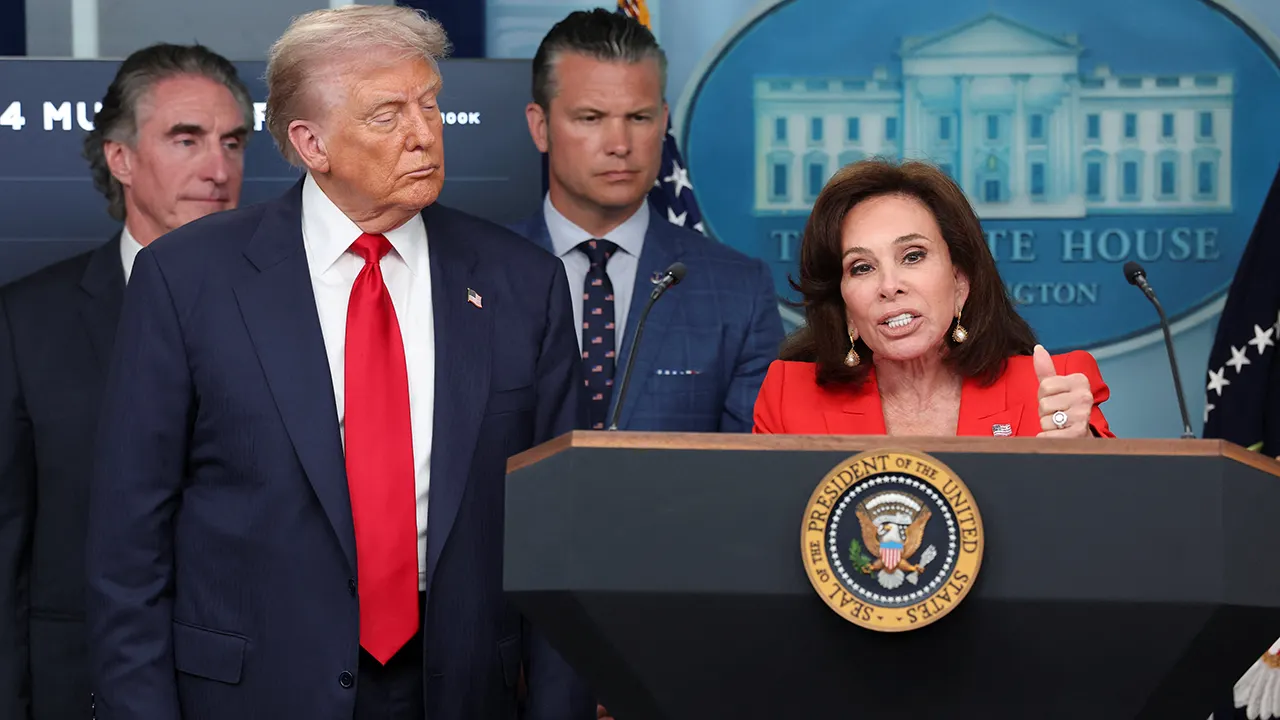
U.S. Attorney for the District of Columbia Jeanine Pirro recently announced unprecedented progress in tackling crime throughout Washington D.C., crediting President Donald Trump’s federal law enforcement surge for the impressive results. Speaking at a recent press conference, Pirro highlighted remarkable statistics from the Operation Make D.C. Safe & Beautiful Task Force, which has arrested over 8,152 violent fugitives since its inception. The task force’s achievements include apprehending 20 individuals for homicide, 1,343 for narcotics violations, 633 for weapons offenses, 29 for sex crimes, and 48 known gang members. Perhaps most notably, the operation has removed 856 guns from D.C. streets, weapons that Pirro emphasized could otherwise have been used in violent crimes. “We are prosecuting crime in the District like never before with real consequences, real cases, real accountability,” Pirro stated, highlighting the administration’s commitment to keeping dangerous offenders off the streets rather than allowing them to return to communities.
The shift in prosecution strategy appears to be yielding significant results, with Pirro reporting historically high prosecution rates in the district. According to her statements, fewer than 10% of cases now go unprosecuted, a dramatic improvement from what she characterized as nearly 70% of cases that went unprosecuted during the previous administration. This aggressive prosecution approach, combined with enhanced enforcement efforts, has contributed to substantial reductions in various crime categories throughout the District. The statistics Pirro presented paint a compelling picture: homicides down 60%, robberies reduced by 49%, and carjackings decreased by an impressive 68%. Overall crime has reportedly fallen by 32%, suggesting a comprehensive improvement in public safety measures across the nation’s capital.
The Operation Make D.C. Safe & Beautiful Task Force represents a coordinated effort involving multiple law enforcement agencies. Launched in early August 2025 under Trump’s directive, the task force is led by U.S. Marshals Service Director Gadyaces Serralta and comprises more than 3,100 personnel from 28 different agencies. This multi-agency approach demonstrates the administration’s commitment to pooling resources and expertise to address crime comprehensively. The coordinated effort appears designed to tackle various aspects of criminal activity simultaneously, from violent offenders to drug distribution networks and weapons trafficking. By bringing together diverse agencies with specialized capabilities, the task force can address crime from multiple angles, potentially creating a more effective enforcement strategy than isolated efforts might achieve.
President Trump’s executive order establishing the task force, signed on March 28, 2025, articulated a clear vision for Washington D.C., emphasizing safety, beauty, and prosperity as interconnected goals. The order outlined specific objectives including crime prevention, criminal accountability, preservation of public order, protection of monuments, beautification efforts, and preservation of America’s historical heritage. This holistic approach suggests the administration views crime reduction as part of a broader strategy to revitalize the nation’s capital. The executive order’s language reflects a belief that a safer city naturally becomes more prosperous and appealing, creating a positive cycle of improvement that benefits residents, commuters, and tourists alike. Trump’s declaration that “America’s capital must be a place in which residents, commuters, and tourists feel safe at all hours” underscores the administration’s focus on practical improvements to daily life in the District.
Pirro’s public remarks conveyed not only pride in the task force’s accomplishments but also gratitude toward President Trump for his “unwavering commitment to law and order.” She specifically praised the surge in federal law enforcement resources, crediting the infusion of additional agents, advanced tools, and what she termed a “no-nonsense mandate” as “transformative for the people in the District.” This acknowledgment highlights the administration’s top-down approach to tackling crime, with clear directives and resources flowing from the highest levels of government. Pirro emphasized that the administration’s focus on cracking down on violent offenders, dismantling criminal networks, and improving street safety has delivered tangible results for District residents. Her assertion that “this isn’t just rhetoric, it is reality” appears aimed at distinguishing the current administration’s approach from previous crime-fighting initiatives that may have been perceived as less effective.
Looking toward the future, Pirro characterized 2025 as “a remarkable year of progress” and “a turning point in the fight against crime” in Washington D.C. This forward-looking perspective suggests the administration views current successes not as final achievements but as building blocks for continued improvement. The emphasis on sustained progress indicates a long-term commitment to maintaining and expanding upon the security gains already realized. For residents of the District, the reported crime reductions represent meaningful improvements in daily quality of life and personal security. If the statistical trends highlighted by Pirro continue, Washington D.C. may indeed experience the transformation envisioned in Trump’s executive order—becoming a capital city that fully embodies safety, beauty, and prosperity while preserving its historical significance as the heart of American democracy and governance.