






The ongoing partial government shutdown is dragging on into another week, creating a tense atmosphere in Washington as negotiators from both major parties struggle to bridge their deep divides on funding for the Department of Homeland Security (DHS). Imagine federal workers waking up each day unsure if they’ll get paid, while essential services hang in the balance—all because key players in Congress can’t agree on how to protect America’s borders and security. The deadlock stems from a stalemate over funding bills that both the Senate and House have been pushing and pulling on for what feels like an eternity. Lawmakers, who are currently enjoying a well-deserved weeklong recess away from the nation’s capital, won’t be back until next week, leaving the fate of the shutdown dangling like a cliffhanger in a suspenseful thriller. Families relying on government support are starting to feel the pinch, and everyday Americans are left wondering when this political drama will finally reach its conclusion. The shutdown hasn’t shut down everything—some critical operations persist thanks to prior funding—but the uncertainty is palpable, making it feel more like a game of chicken than a responsible negotiation. As travelers navigate airports and emergency responders prepare for whatever comes next, the human cost of this standoff becomes harder to ignore, reminding us that behind the headlines are real people whose lives are affected by decisions made in distant offices.
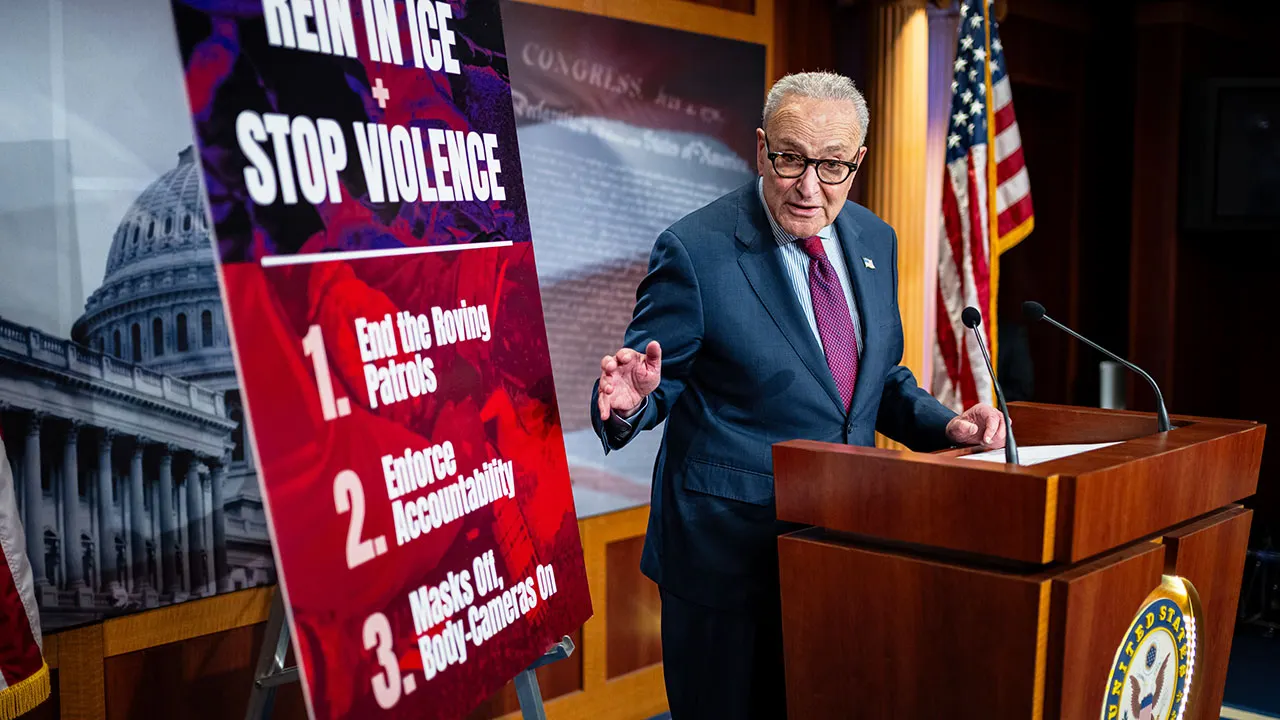
At the heart of the disagreement are the Democrats’ unwavering demands for sweeping reforms to Immigration and Customs Enforcement (ICE), sparked by tragic events that shook the nation. Picture the heartbreaking scenes from Minnesota last year: two individuals, Alex Pretti and Renee Nicole Good, were fatally shot during ICE operations that underscored what many see as potential overreach by federal agents. Senate Democrats, led by Minority Leader Chuck Schumer from New York, have been vocal about this ever since, insisting on a package of 10 key reforms to restore trust and accountability. These include requirements for ICE agents to secure judicial warrants before raids, restrictions on wearing face coverings during operations, and greater transparency in how the agency conducts itself. Schumer has painted a stark picture, describing masked agents conducting warrantless actions as akin to “secret police” infiltrating communities—language that evokes fears of authoritarianism and erodes faith in the rule of law. For many on the left, this isn’t just politics; it’s about protecting civil liberties and ensuring that immigration enforcement feels fair and just to all Americans, especially those who might encounter these agents in their daily lives. The reforms aim to address a sense of chaos and secrecy that has alienated voters, turning what should be routine law enforcement into a contentious battleground. Schumer argues that ignoring these issues would be pretending they don’t exist, a stance that’s gained traction among Democrats who view the shutdown as an opportunity to demand change rather than just approve funding as usual.
Republicans, on the other hand, view these reform demands as insurmountable obstacles that threaten national security and frustrate what they see as straightforward negotiations. They’ve labeled many of the proposed changes as “red lines” that could hamstring ICE’s ability to effectively patrol borders and detain individuals involved in criminal activities. From the GOP perspective, it’s perplexing that Democrats would risk a shutdown over what some Republicans dismiss as unnecessary bureaucratic hurdles that could slow down operations against human traffickers, drug cartels, and other immediate threats. A senior White House official didn’t mince words, calling the shutdown “Democrat-driven” and accusing the party of holding hostage essential government services to score political points unrelated to DHS funding itself. This rhetoric highlights the us-versus-them mentality that’s deepened partisan divides, where one side accuses the other of prioritizing ideology over the country’s welfare. It’s as if the two parties are speaking entirely different languages—one focused on reform to prevent abuses, the other on efficiency to maintain order—making a compromise feel elusive. For ordinary constituents, this translates into a frustrating wait, wondering why basic governance seems so complicated, and it reinforces a growing cynicism about whether elected officials truly listen to the needs of the people they serve.
While core ICE operations manage to continue thanks to funding from previously passed legislation, other DHS components are feeling the full brunt of the shutdown’s weight. The Transportation Security Administration (TSA) staff at airports across the country are showing up to work without assurance of a paycheck, straining morale and raising questions about long-term dedication to public safety. Similarly, the Federal Emergency Management Agency (FEMA) and the Coast Guard, vital for disaster response and maritime security, have scaled back non-essential activities, leaving communities in hurricane-prone areas or along volatile coastlines more vulnerable than usual. Think about a grandmother relying on FEMA for flood relief after a storm, or a family traveling through airport security on a important trip—these disruptions ripple through everyday lives in profound ways. The White House has been spearheading talks, even floating proposals to the Democrats that were swiftly rejected, though specifics remain shrouded in secrecy to avoid escalating tensions. Leaders like Senate Majority Leader John Thune from South Dakota are critical of the Democrats’ stance, suggesting they’ve overshadowed reasonable efforts with an unwillingness to engage constructively. This aspect of the shutdown humanizes the stakes: it’s not just numbers and budgets, but the human element of trust in institutions that millions depend on for protection and stability. Each delay prolongs the anxiety for those directly affected, turning a policy debate into a personal ordeal for workers and citizens alike.
Statements from key figures on both sides underscore the emotional undercurrents fueling this protracted standoff. On the Democratic side, House Minority Leader Hakeem Jeffries of New York has made it crystal clear that his party won’t budge without significant ICE reforms, framing the funding bill as incomplete without them. This resolve stems from a broader narrative of standing up for the underrepresented and preventing what they see as unchecked authority that could infringe on personal freedoms. Meanwhile, Senate Republicans like Thune express exasperation, noting efforts to reach a deal undermined by what they perceive as Democrats’ reluctance to “play ball.” Speaker of the House Mike Johnson, a Louisiana Republican, has tried to reiterate his commitment to the original funding language from appropriators, while distancing the House from any blame for delays until Congress reconvenes. These back-and-forths reveal personalities shaped by real-world consequences—Schumer channeling outrage over “secret police” tactics, Johnson prioritizing quick resolutions—and make the political theater feel intensely personal. It’s a reminder that behind the titles and debates are individuals driven by convictions, making the path to consensus feel more like a series of personal grudges than a collective problem-solving exercise. As recess lingers, public sentiment grows weary, with many hoping for leaders who can transcend partisanship and put America’s interests first.
Looking ahead, the outlook hinges on Congress’s scheduled return to work next week, although the recess itself adds layers of unpredictability to an already volatile situation. Senator Thune has indicated that a deal could bring lawmakers back on 24 hours’ notice, while Speaker Johnson lays out 48 hours for the House reconvening on February 23. This timeline injects a sense of urgency, yet the distance between the parties remains vast, with Democrats holding firm on reforms and Republicans pushing for straightforward funding to end the impasse. For those affected by the shutdown, it’s a mix of hope and frustration—hope that cooler heads will prevail, frustration that partisan games overshadow national needs. Engaging with news like this through platforms that allow audio playback, such as the new Fox News feature, makes digesting these developments feel more accessible and lifelike for those following along from home. Ultimately, the human story here is one of resilience: federal workers persevering, citizens adapting, and a democracy testing its mechanisms in the face of disagreement. The shutdown serves as a poignant example of why compromise is essential, reminding us that the threads connecting policy to people’s lives are stronger than we often realize. As negotiations loom, the hope is for a resolution that honors both security and accountability, turning this chapter in American governance into a lesson rather than a enduring crisis. With cooler heads and renewed focus, perhaps the next update will herald progress, benefiting everyone from border agents to everyday families navigating uncertain times. This episode in political history underscores the importance of dialogue, empathy, and a shared vision for a united future.